Saltmarsh Guides Coastal wetlands · Birds · Fieldcraft
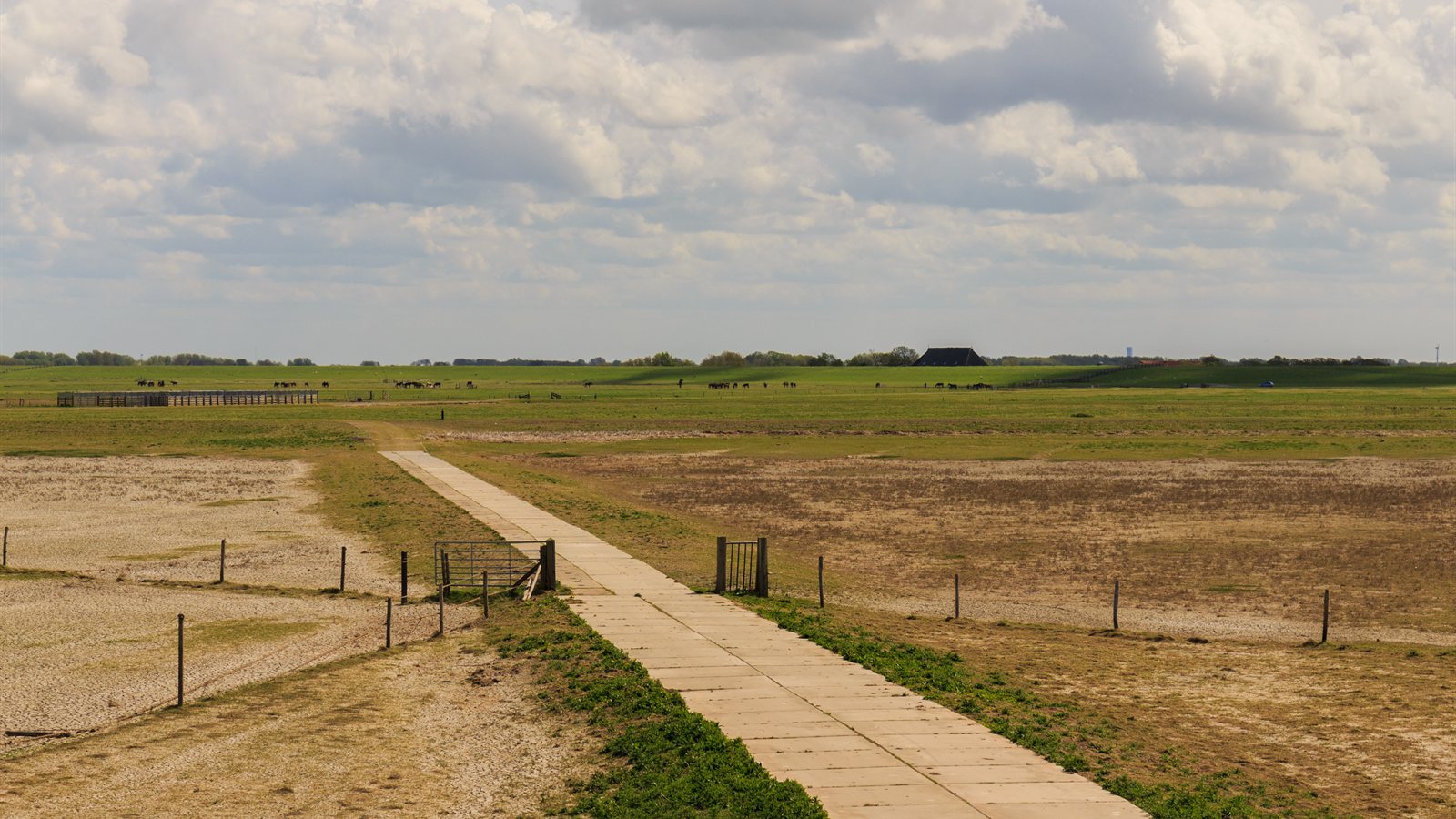
Open coastal wetland with shallow pools and distant hills

Tides · Migration · Fieldcraft

A Guide Service for Coastal Wetlands and the Birds That Use Them

We guide people through marshes, lagoons, saltpans and tidal flats along two hundred kilometres of coast, and we do nothing else. Half-day walks for visitors who have never held binoculars, boat sessions on the lagoons, full migration weeks for serious listers, photography guiding, survey support for institutions and school field days all come from the same six people who spend the rest of their working lives counting these birds. Telescopes, binoculars, boots and waterproofs are provided, and every trip is planned around the tide rather than the clock.

About us

Six Guides, One Coast, Twenty Years of Counts

The service was formed by field ornithologists who were already working this coast for a national monitoring scheme and were being asked, constantly and informally, whether visitors could come along. Turning that into a proper business meant licences, insurance, first-aid training and a booking system, but the substance never changed: the people leading a walk are the people who count these birds every month, in every weather, and who know exactly which pan the avocets moved to after the last storm.

That knowledge is specific and perishable, which is why we keep it current rather than printing a brochure. Roost sites shift as water levels change, saltpans are flooded and drained on a working schedule, a new fence can close an approach, and a single week of southerly wind can fill a lagoon with birds that were not there before. Guides walk the sites weekly outside guiding hours, share notes daily and rewrite the recommended routes as often as the coast demands.

We also do the unglamorous work that keeps access possible: negotiating with saltworks and landowners, marking paths, funding two hides jointly with a local society, and running the annual clean-up of the lagoon shore. Guests contribute simply by booking — a fixed share of every fee goes into that fund, and we publish what it paid for at the end of each year.

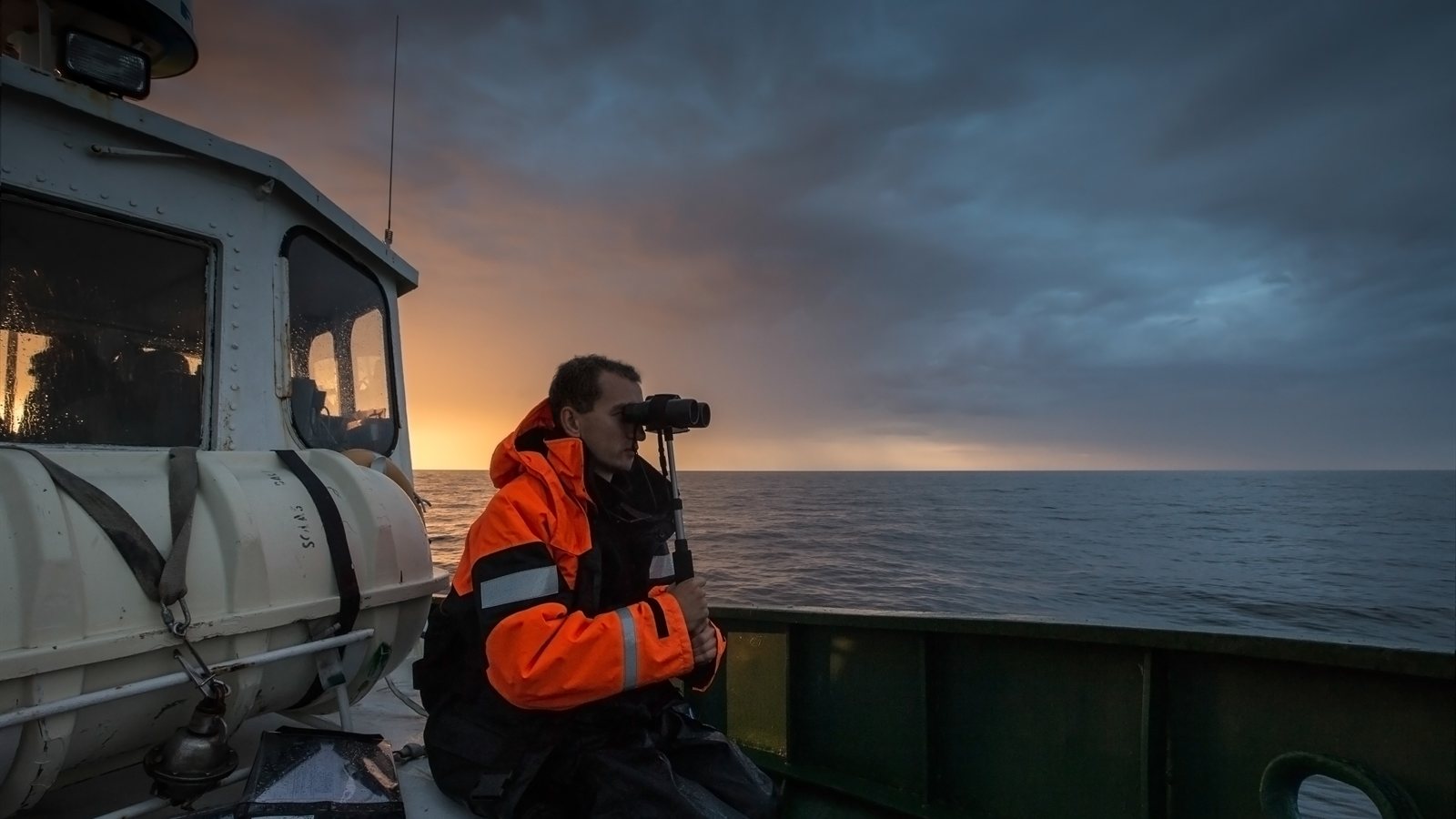
Observer scanning the sea with binoculars from a boat at dawn
Gravel path running between grazing marsh and open water

Advantages

What a Real Guide Changes

Six reasons a guided morning here produces more than a week of wandering with a field guide.

Current Information, Not Last Year's

Wetland birds move constantly in response to water level, salinity, disturbance and wind. Because our guides survey these sites every week, they know where a species is this Tuesday rather than where it usually is in April. Guests are told before booking what is realistically present, which means nobody travels expecting flamingos in a month when the pans are dry. That honesty occasionally costs us a booking and consistently produces the reviews that bring the next ten, because people who are told the truth in advance are almost never disappointed on the day.

Access Others Do Not Have

Much of the best habitat on this coast lies inside working saltworks, private grazing marsh and a military buffer zone, all closed to general access. Twenty years of cooperation, survey work and simply not causing problems has earned us written permission to take small groups into several of these areas at agreed times. Guests see roosts and breeding colonies that cannot be reached in any other way, always at distances that do not disturb the birds and always with the landowner's schedule respected to the minute.

Optics for Everyone

Every trip carries two telescopes on tripods and enough binoculars for the whole group, all of good quality rather than the cheap loan pairs that put beginners off for life. Guides set the scope on a bird and let each person look properly, explaining what to notice rather than simply naming it. Photographers can attach their own equipment to our tripods. For anyone considering buying optics, we will let them try several models over a morning and give an honest opinion, since we sell nothing and have no reason to favour a brand.

Teaching, Not Listing

A guide who simply calls out names produces a list and no skill. Ours teach how to work through a flock methodically, how to judge size against a known species, how to use structure and behaviour before plumage, how calls narrow a search in seconds and how to read what the tide is about to do to a roost. Beginners leave able to identify perhaps fifteen species unaided, which is far more useful than a list of sixty they could not find again. Experienced birders get the harder material: ageing, moult, subspecies and the local pitfalls.

Comfortable in Difficult Terrain

Wetland edges are muddy, exposed and often surprisingly cold, so we supply wellingtons in every size, waterproof jackets and over-trousers, folding stools, sun shades in summer and hot drinks in winter. Routes are chosen so that a group is never more than twenty minutes from a vehicle, and two of our regular circuits are fully accessible with a level surface and a hide reachable by wheelchair. We say plainly which walks involve real mud, and we run a shorter, firmer alternative for anyone who would rather avoid it.

Birds Ahead of Photographs

No group of ours approaches a roost closer than the distance at which birds begin to shift, playback is never used, breeding colonies are watched from fixed positions, and drones are prohibited on every trip we run. Guests are told why at the start, and the rule holds even when a spectacular photograph is a hundred metres away. Every record we make goes into the national monitoring database, and a share of each fee funds the two hides and the shoreline clean-up, so the coast benefits from every visit rather than merely tolerating it.

Services

Programmes We Run

From a first morning with binoculars to a full week following migration along the whole coast.

Reedy wetland basin with open water and low banks

Half-Day Guided Walks

Four-hour walks leaving early or late, covering two or three habitats — a lagoon, a saltpan and a stretch of tidal flat — chosen on the day for tide and wind. Groups are capped at eight, telescopes and binoculars are supplied, and the pace suits people who want to look rather than march. Suitable for complete beginners and for experienced birders who want local knowledge quickly. The walk finishes with a drink and a written list of everything recorded, which is emailed the same evening.

Full-Day and Migration Weeks

Full days cover a hundred kilometres of coast by minibus with four or five stops, timed to catch high-tide roosts and evening arrivals. Migration weeks in spring and autumn take a small group along the entire coast, moving accommodation twice, with dawn starts, seawatching sessions, ringing station visits and evening reviews. Weeks are limited to six participants, include all transport, entry permits, optics and meals in the field, and typically record between one hundred and eighty and two hundred and thirty species.

Boat Sessions on the Lagoons

A shallow-draft boat with an electric motor takes four passengers into the lagoons at first light, approaching islands and sandbanks that cannot be seen from any road or path. Sessions last three hours, with the engine off for most of them, and are timed for calm mornings. The boat carries a scope on a fixed mount, bean bags for cameras and a low seat for stability. Terns, flamingos, spoonbills, pelicans and large gull roosts are the usual subjects, always at an agreed distance.

Photography Guiding

Sessions built around light and approach rather than species counts, using portable hides, low positions along the pans and the boat where appropriate. A guide advises on where the sun will be, how the birds will move as the tide fills and how close is genuinely acceptable, then keeps out of the frame. Groups are capped at three. We can arrange multi-day photographic programmes with accommodation, transfers and evening editing sessions, and we work regularly with visiting agencies and publishers.

Schools, Universities and Survey Support

Field days for schools with nets, trays, identification sheets and a simple survey exercise; university field courses covering transect methods, counting protocols, habitat assessment and data handling; and contracted survey support for consultancies and agencies needing local knowledge and access. Risk assessments, insurance documents and permits are supplied in advance. We can also train a landowner's own staff to carry out repeat counts to a standard the national scheme will accept.

Private Guiding and Custom Days

A guide can be booked by the half day, day or week for an individual, a family or a small group, with the programme written around specific targets — a species somebody has travelled for, a photographic idea, an accessible route for a member of the party, or simply a slow day with a long lunch. We also guide visiting tour leaders on reconnaissance, and we will happily accompany a group's own leader as a local specialist rather than taking over the group.
Contacts

Dates, Targets and Booking

Tell us when you can travel and what you hope to see. We will answer with what is realistically present in that period, which sites will be accessible and how many days are worth booking — including the times when the honest answer is to come a month later.

Institutions, consultancies and tour leaders are welcome to write to the same address for survey support and reconnaissance days.

Office

Vasileos Konstantinou 78, 115 28 Athens, Greece

Phone

+30 21 0723 9184

Season

All year; office daily 08:00–19:00