HR Highway Roost Franchise

Thirty-four units · Nine years · Two countries

A Chicken Restaurant Franchise Built for Trunk Roads

Roadside restaurants fail for predictable reasons: the wrong site, a kitchen that cannot produce at peak, a menu with too many items, and an operator left alone after the opening week. Our franchise addresses each of them with a defined package — site assessment against real traffic data, a standard building and kitchen specification, a menu of fourteen items tested across thirty-four units, four weeks of training before opening, supply agreements at group prices, and an area manager who visits every fortnight rather than every quarter.

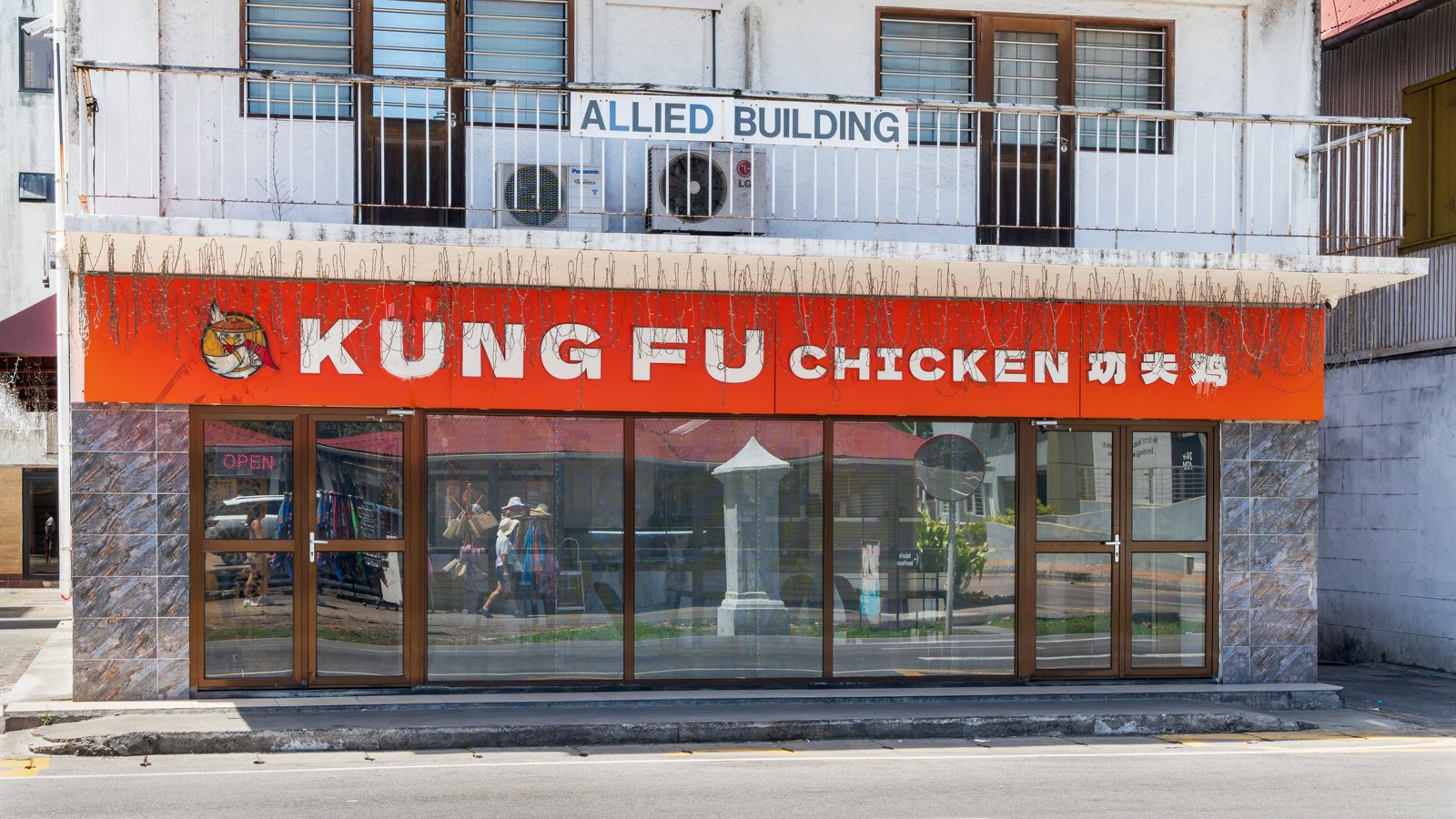
Chicken restaurant frontage with a bold orange sign
Portion of breaded chicken pieces in a paper box

About us

A System Written Down Before It Was Sold

We operated eleven of our own restaurants for six years before offering a single franchise, and the whole system — recipes, equipment list, staffing model, opening procedure, cleaning schedule, ordering matrix and the financial model behind them — was documented from those units rather than written for a brochure. The first franchisees were two of our own managers, which is a reasonable test of whether a system is honest: people who have seen the accounts do not buy a business that only works on paper.

The format is deliberately narrow. A unit is between one hundred and eighty and three hundred square metres on a trunk road or motorway service position, with parking for at least forty cars and, where possible, lorry access. It seats between sixty and ninety with a drive-through where the site permits one. The menu is fourteen items built around fried and rotisserie chicken, and it does not expand at the request of individual franchisees, because a fifteenth item slows every kitchen in the network.

What we sell is a working business rather than a brand licence. The fee covers the territory, the build specification, the equipment package at negotiated prices, four weeks of training, an opening team on site for the first ten days, supply agreements, the management system and continuing support. What it does not cover is the property, and we say plainly that a franchisee who cannot secure a good site should not sign, whatever their enthusiasm.

Advantages

What a Franchisee Actually Gets

Six things that decide whether a roadside unit reaches profitability in its first year or its third.

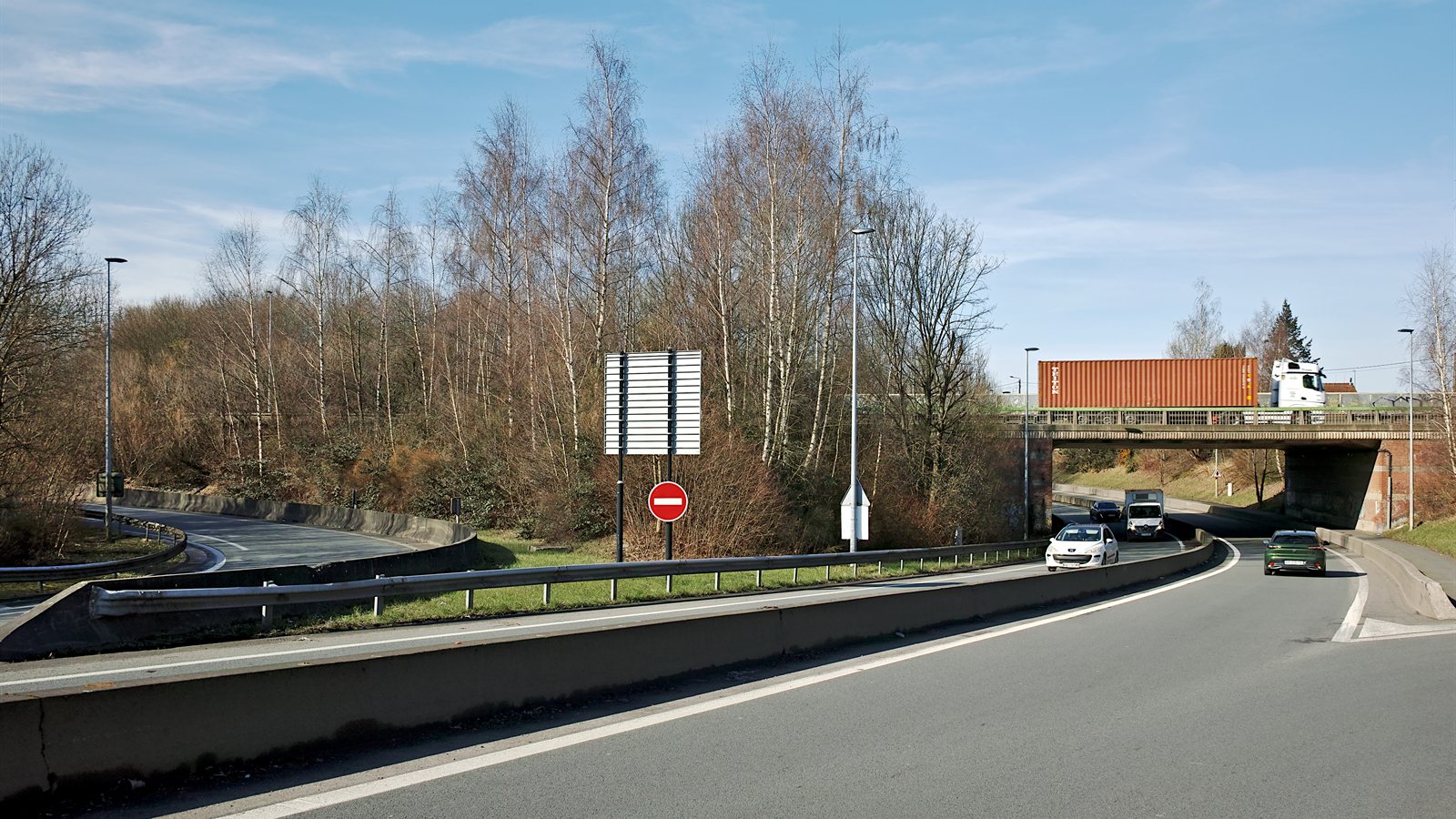
Motorway interchange seen from above

Sites Assessed Against Real Data

Every proposed location is assessed using traffic counts by hour and direction, the position of competing stops within twenty kilometres, the ease of entry and exit for cars and lorries, visibility distance at the approach speed, and the seasonal profile of the road. We reject roughly two-thirds of the sites franchisees bring us, and we explain exactly why in writing. A refusal is not a negotiating position: a unit on the wrong side of a fast road with a difficult turn will not make money regardless of how good the chicken is.

A Kitchen That Handles Peak

The kitchen specification is derived from the busiest hour ever recorded across the network rather than from an average. Fryer capacity, rotisserie size, cold storage, holding equipment, extraction, the position of the pass and the walking distances between stations are all fixed, and the layout is drawn for each site rather than copied. A unit that can produce two hundred and forty covers in a peak hour without the queue stalling is the single biggest determinant of its annual result, and it cannot be retrofitted cheaply.

Fourteen Items, No Exceptions

The menu is short by design: fried chicken by the piece and the bucket, rotisserie halves and wholes, two sandwiches, wraps, chips, three sides, two desserts and drinks. It is costed to the gram, tested at volume, and identical across the network so that purchasing, training and stock control all work at scale. Franchisees may run two local specials a year with our approval. Everything else stays fixed, which is unpopular in month three and universally appreciated by month eighteen.

Training Before, Not After

Franchisees complete four weeks in an operating unit before their own opens: two weeks on the line, one on management systems and one on financial control, all assessed. Their first three supervisors train alongside them at no additional cost. An opening team of four experienced staff works on site for the first ten days and returns for a review at week six. Refresher modules run twice a year, and new procedures are delivered as short practical sessions rather than as documents nobody reads.

Supply at Group Prices

Chicken, oil, packaging, drinks and equipment are bought under group agreements negotiated across all thirty-four units, with prices published to franchisees in full. We take no rebate or hidden margin from suppliers; the agreements exist to lower cost, not to create a second income for the franchisor. Delivery schedules are built around each unit's trading pattern, and a shortage anywhere in the network is covered from another unit's stock rather than left to the individual operator to solve.

Support That Turns Up

Every unit is visited by its area manager at least every two weeks, with a structured review of sales, margins, labour, waste, cleanliness, speed of service and customer feedback, followed by two or three specific actions rather than a general exhortation to do better. Underperforming units receive additional support rather than a warning letter. Franchisees also meet as a group four times a year, and roughly a third of the changes we make to the system originate from those meetings.

Kitchen utensils and equipment hanging in a working kitchen

Services

What the Package Includes

Territory, site work, build and equipment, training, supply, systems and continuing support.

Territory and Site Assessment

An exclusive territory defined by road corridors rather than administrative boundaries, plus full assessment of any site the franchisee identifies: traffic data by hour and direction, competitor mapping, access and visibility analysis, planning and licensing review, and a written recommendation with a projected first-year turnover range. We will also introduce sites from our own pipeline, and we assess sites for prospective franchisees before any agreement is signed.

Build and Kitchen Package

Standard drawings adapted to the site, a specified equipment list bought at negotiated prices, contractor introductions, project management through construction and fit-out, and commissioning of the whole kitchen with our own chefs before opening. The specification covers extraction, drainage, grease management, cold chain, seating, signage, drive-through layout and car park marking. Typical build time is fourteen to eighteen weeks from permission to opening.

Training and Opening Support

Four weeks of pre-opening training for the franchisee and three supervisors in a working unit, covering the line, management systems, financial control, food safety and employment basics. An opening team of four works the first ten days on site, and an area manager runs a full review at week six. Ongoing training includes twice-yearly refreshers, new-product sessions and a management development programme for staff being promoted from within.

Supply and Purchasing

Access to all group supply agreements for chicken, oil, packaging, drinks, cleaning products and equipment, with prices published in full and no franchisor margin. Delivery schedules are set per unit around trading patterns, and the ordering system suggests quantities based on the previous four weeks and the forecast. Equipment servicing and emergency repair contracts are also negotiated centrally, which typically halves the response time for a fryer or a refrigeration failure.

Systems and Reporting

Point of sale, stock control, rota planning, food-safety records and a management dashboard showing sales, margins, labour percentage, waste and speed of service, all provided and supported. Franchisees see their own figures benchmarked anonymously against the network, which is usually the fastest way to identify a problem. Compliance documentation for food safety, allergens, fire and employment is templated and kept current centrally as regulations change.

Marketing and Continuing Support

National campaigns, road signage design and permissions, launch marketing for each opening, seasonal promotions and a customer feedback system, funded by a published marketing levy with the spend reported annually. Fortnightly area manager visits, a support line for operational problems, quarterly franchisee meetings and access to relief managers and chefs complete the package. Resale support is provided if a franchisee wants to exit, including valuation and introduction to buyers.

Contacts

Franchise Enquiries

Write with your location, your available capital and whether you already have a site in mind. We will send the information pack, the fee structure and an example of a real unit's trading figures, and arrange a day in an operating restaurant before any commitment.

Landowners with a suitable roadside plot and existing operators considering conversion are welcome to contact the same office.

OfficeCalle de Alcalá 42, 28014 Madrid, Spain
Phone+34 91 523 68 40
Office HoursMonday–Friday 09:00–18:00; unit visits by arrangement