RP Roadstead Property Partners Sites · Builds · Leases
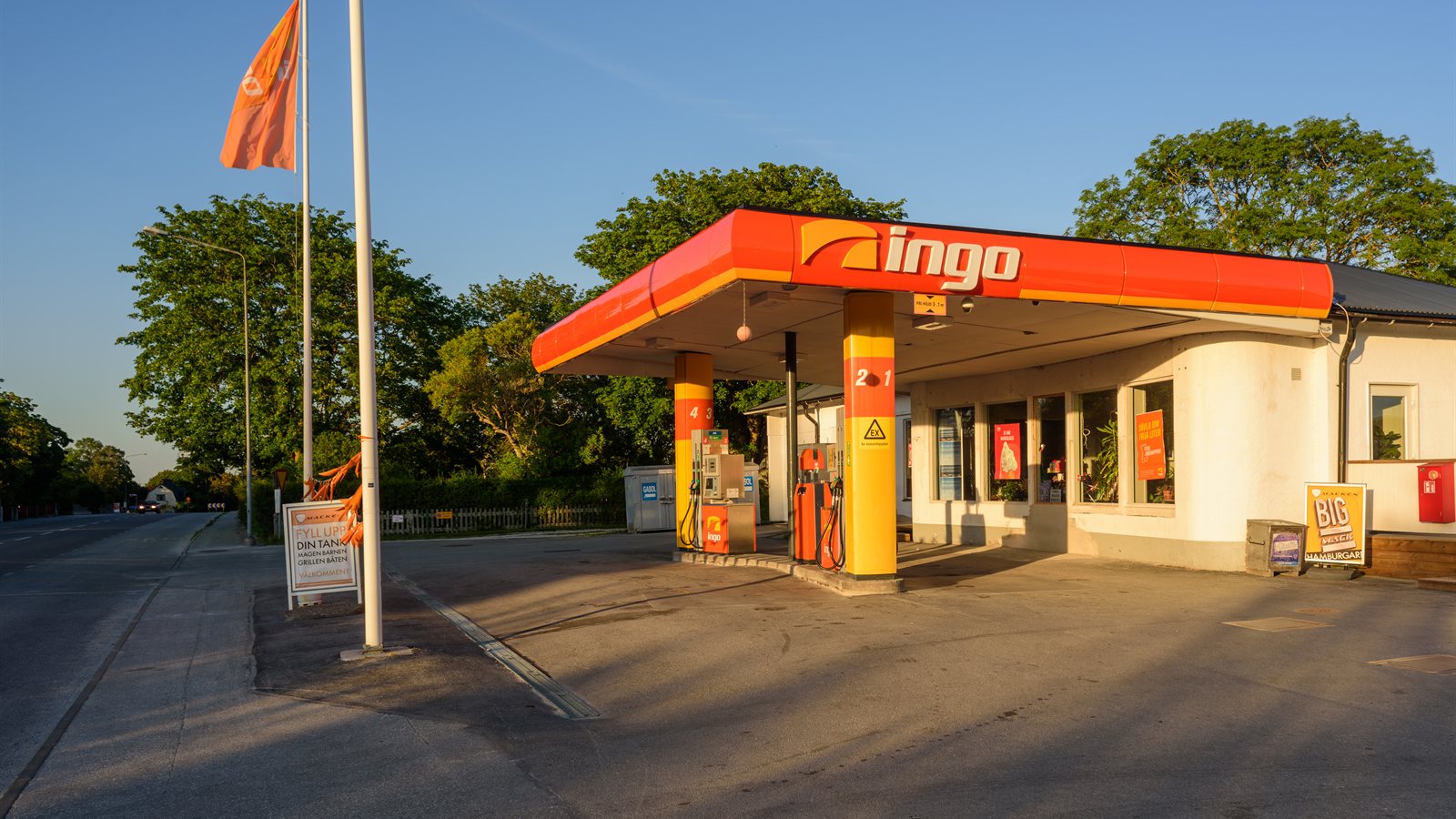
Roadside filling station and shop in evening light

Sixty-one units · Four countries

Property Management for Roadside Restaurant Units

We source, develop, own and manage the buildings that roadside chicken restaurants operate from. That means finding plots on trunk roads and service areas, securing planning and access consents, building to a specification that a high-volume kitchen actually needs, letting to operators on clear commercial terms and then looking after the fabric for the next twenty years. Operators get a unit that works from day one; owners and investors get a managed asset with a tenant, a lease and a maintenance plan rather than a field with an idea attached.

About us

Developers Who Have Also Run the Kitchens

The company was set up by a property developer and a former restaurant operations director who had spent years arguing with each other across the table. Their conclusion was that most roadside catering units fail as buildings before they fail as businesses: the entry is awkward for a car towing anything, the yard cannot take a delivery lorry at eleven in the morning, the extraction was value-engineered out, the drive-through lane stacks four cars and the substation cannot support a second fryer bank. All of that is decided at the drawing stage and is expensive to fix afterwards.

We now hold sixty-one units, about half of them owned outright and the rest managed for institutional and private owners. Every one is a purpose-built or converted roadside catering unit with parking, and every one is let to an operator on a full repairing lease with a schedule of condition agreed in writing. We do not operate restaurants ourselves, which keeps the relationship with our tenants straightforward: their success is our rent, and their failure is our vacant building.

Because we specialise, we know the parts of the process that generalist developers get wrong: highways consents for a new access on a fast road, the noise and odour conditions attached to a food-use permission, grease and drainage requirements, gas and electrical capacity for a commercial kitchen, and the licensing that applies when a unit trades after midnight. That knowledge is the reason our schemes reach opening in months rather than years.

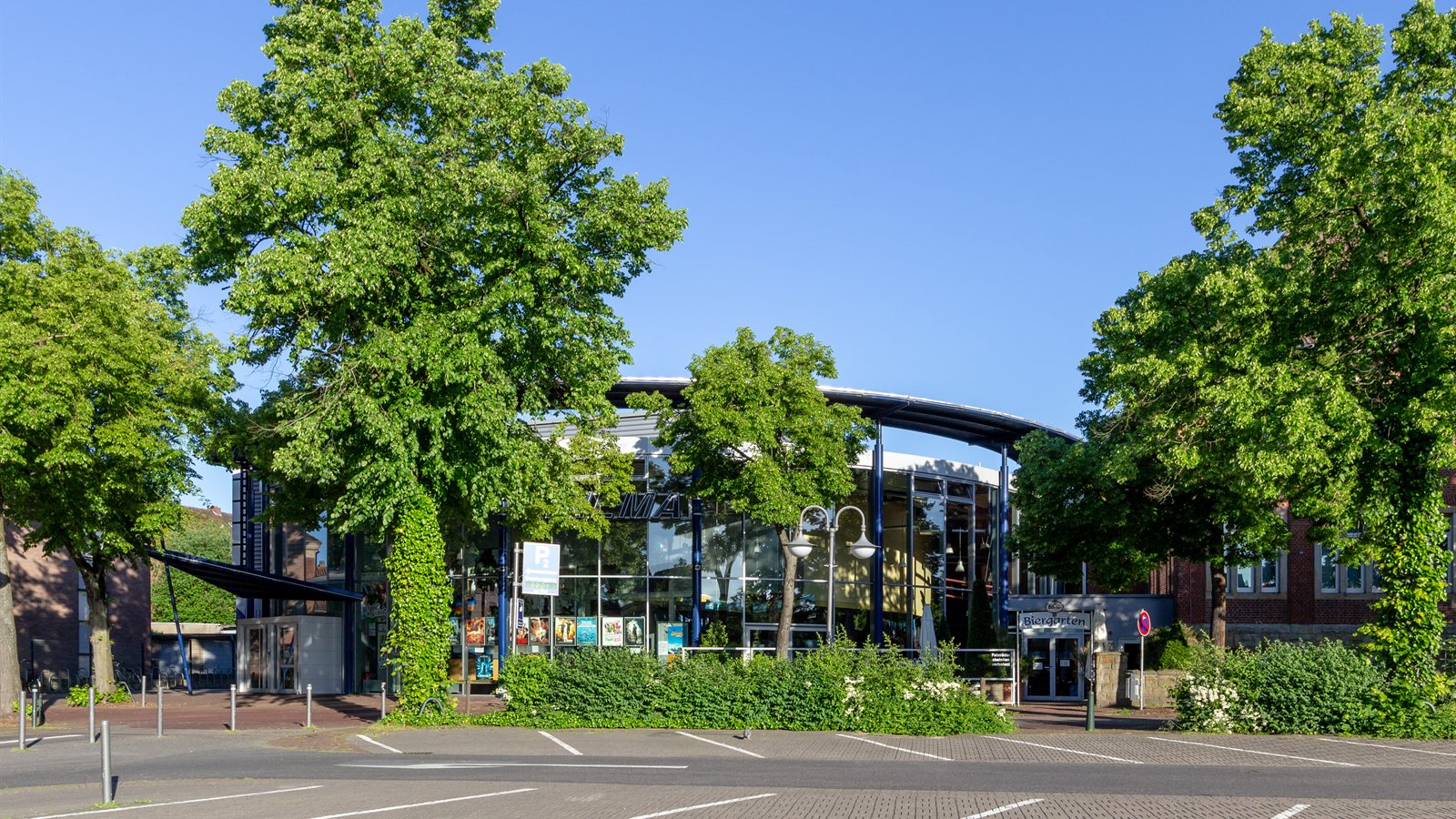
Empty marked car park in front of a commercial building
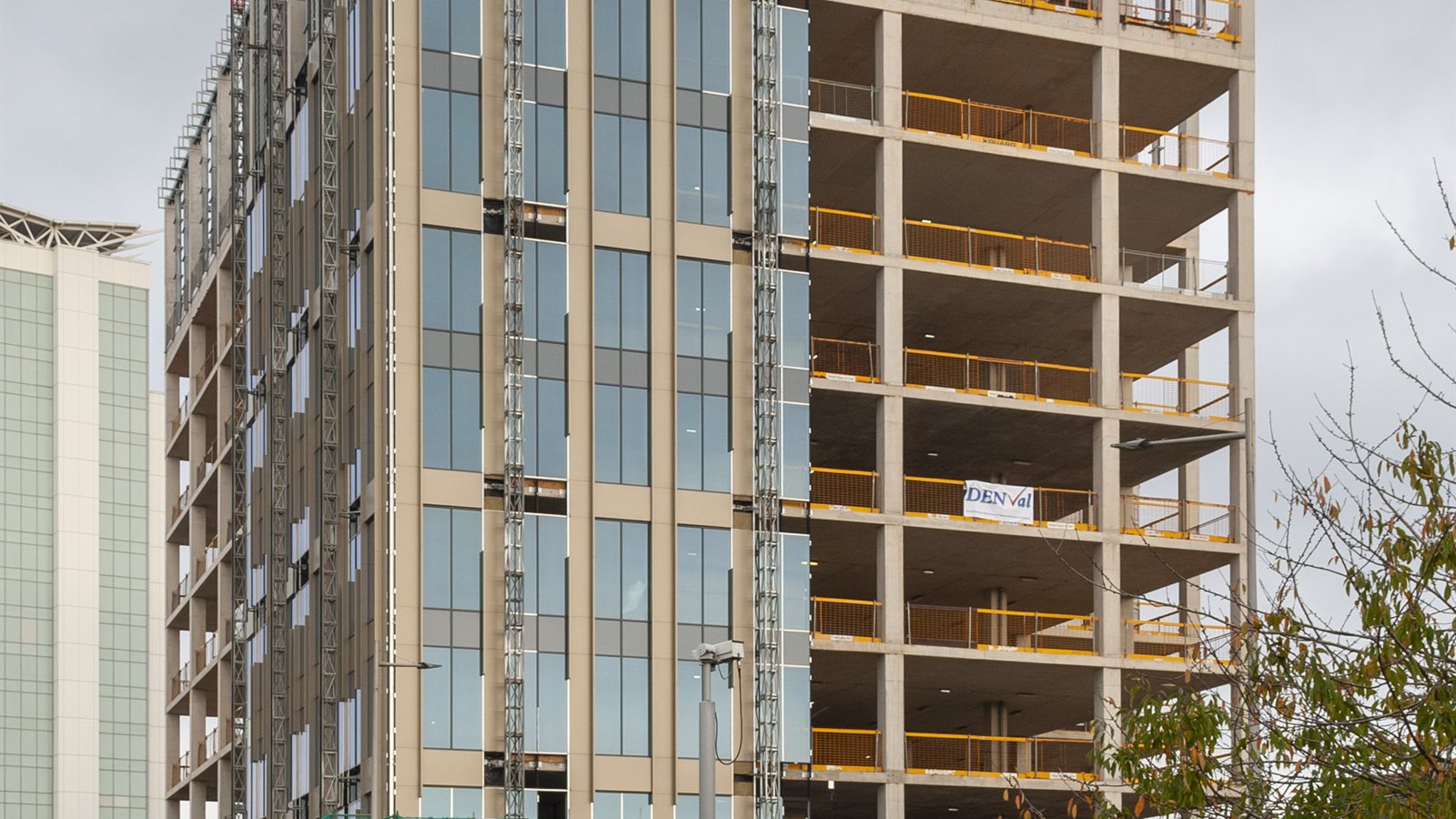
Office building under construction behind hoardings

Advantages

Where Roadside Schemes Are Won or Lost

Six things we get right before a single brick is laid, and one thing we do afterwards.

Access Before Everything Else

A roadside unit lives or dies on how easily a driver can enter and leave it at the prevailing speed. We assess visibility splays, deceleration distance, the turning circle for a car with a caravan and a delivery lorry, and whether the exit forces a difficult manoeuvre across traffic. Where a scheme needs a new access or a modified junction, we take that to the highways authority before committing to the land, because a plot with an unachievable access is worth nothing regardless of how good the traffic figures look on paper.

Buildings Specified for Real Kitchens

Our standard specification is written from the requirements of an operating high-volume kitchen: gas and electrical capacity for full fryer and rotisserie banks plus spare, extraction sized and routed to meet odour conditions, grease interception and drainage falls that will not block, cold storage on independent circuits, a delivery route that does not cross the customer area, and a yard that takes a rigid lorry without reversing onto the road. None of it is visible to a customer, and all of it decides whether the unit trades on a busy Saturday.

Planning Handled by People Who Do It Weekly

Food-use permissions on roadside sites attract conditions on odour, noise, lighting, hours, waste, signage and traffic, and each authority weights them differently. We prepare applications with the supporting acoustic, odour and transport assessments included from the start rather than in response to a refusal, engage with officers before submission, and negotiate conditions we can actually live with. Across the last twenty schemes the average time from submission to consent has been under five months.

Leases Written to Be Understood

Our standard lease runs to a length an operator can read in an evening: term, rent, review mechanism, repairing obligations with an agreed schedule of condition, service charge with a cap, permitted use, assignment terms and break rights, all in plain language. Rent is set from the unit's realistic turnover rather than from an aspirational comparison, because a rent that only works in a perfect year produces an empty building in a bad one. Renewals are discussed six months ahead rather than at the last moment.

Maintenance on a Twenty-Year View

Every building has a planned maintenance programme covering roof, cladding, drainage, extraction ducting, grease systems, car park surfacing, lighting, signage and services, with costs projected across twenty years and reviewed annually. Extraction and grease systems are inspected and cleaned on a documented schedule because they are the most common cause of both closure and fire. Owners see what is due and when; tenants know exactly which items are theirs and which are ours.

Vacancies Filled Quickly

When a tenant leaves, an empty roadside unit deteriorates fast and attracts the wrong attention. We hold a standing list of operators looking for units in each corridor, keep the building serviced and lit while it is empty, and re-let within an average of eleven weeks. Where a unit needs reconfiguring for a different format, we do that before marketing rather than offering a compromise. Owners are told realistically how long a re-letting will take, including when the honest answer is that the location no longer supports the use.

Services

What We Do for Owners and Operators

Acquisition, development, letting, management, investment and advice for anyone with a roadside plot or unit.

Detached commercial building beside a suburban road

Site Sourcing and Acquisition

We search trunk-road corridors and service areas for plots and existing buildings that can support a catering unit, assess each against traffic data, access feasibility, planning history and utility capacity, and negotiate the purchase or lease. Owners of land already in hand can commission the same assessment as a standalone piece of work. We are equally willing to say that a site is unsuitable, which we do in writing with the reasons set out.

Planning and Consents

Preparation and management of planning applications for food use, drive-through layouts, signage and new or altered accesses, with acoustic, odour, drainage and transport assessments prepared in advance. We handle pre-application discussions, condition negotiation, discharge of conditions and any appeal. Where a highways consent is the critical path, we start it first and structure the land agreement so that the risk is not carried before it is resolved.

Development and Build Management

Design to our roadside catering specification, tendering, contractor appointment, project management through construction, and handover with full documentation, warranties and a maintenance manual. Typical delivery is fourteen to twenty weeks on a cleared site. We also convert existing buildings — filling station shops, former showrooms, farm buildings — where the structure and the access allow it, which is often faster and cheaper than a new build.

Letting and Lease Management

Marketing to our standing list of operators and to the wider market, tenant vetting including a review of their trading record, lease negotiation on our standard plain-language terms, and full management thereafter: rent collection, service charge administration, reviews, renewals, dilapidations and dispute resolution. Owners receive quarterly reporting with arrears, expenditure and lease event dates set out clearly.

Building and Estate Management

Planned and reactive maintenance across the fabric, services, extraction, grease systems, drainage, car parks, lighting and signage, delivered through contractors held under framework agreements. Statutory inspections, insurance coordination, energy certification and health and safety documentation are held centrally per property. Emergency response operates twenty-four hours, which for a unit trading until two in the morning is not an optional extra.

Investment and Advisory

Acquisition and management of let roadside units for private and institutional investors, including due diligence on the tenant's covenant and the building's condition, plus sale and leaseback structures for operators who want to release capital from a unit they own. Advisory work covers rent reviews, portfolio reviews, disposal strategies and honest appraisals of whether a particular site should be redeveloped, re-let or sold.
Contacts

Discuss a Site or a Portfolio

Send the location and what you have — a plot, an existing building, a unit with a tenant or simply a corridor you would like to be in. We will assess it against traffic, access and planning, and come back with a written view including the cases where the answer is that it will not work.

Operators looking for a unit, investors seeking let assets and owners wanting management are all handled by the same office.

OfficeAvenue Louise 123, 1050 Bruxelles, Belgium
Phone+32 2 640 71 35
Office HoursMonday–Friday 09:00–18:00; emergency line 24 hours for managed units