Pierhouse Hospitality management

Pontoons · Piers · Moored decks

Management for Restaurants and Cafés Built on the Water

Venues on pontoons and piers earn beautifully for five months and punish every mistake for the other seven. We operate and manage them for owners, municipalities and marinas: licensing and marine compliance, mooring and pontoon maintenance, kitchens designed for a deck that moves, seasonal recruitment and training, supply chains that work without a service road, weather planning, and accounts that show exactly where the money went. Thirty-one venues are currently under our management, and each one is reported on monthly in plain language.

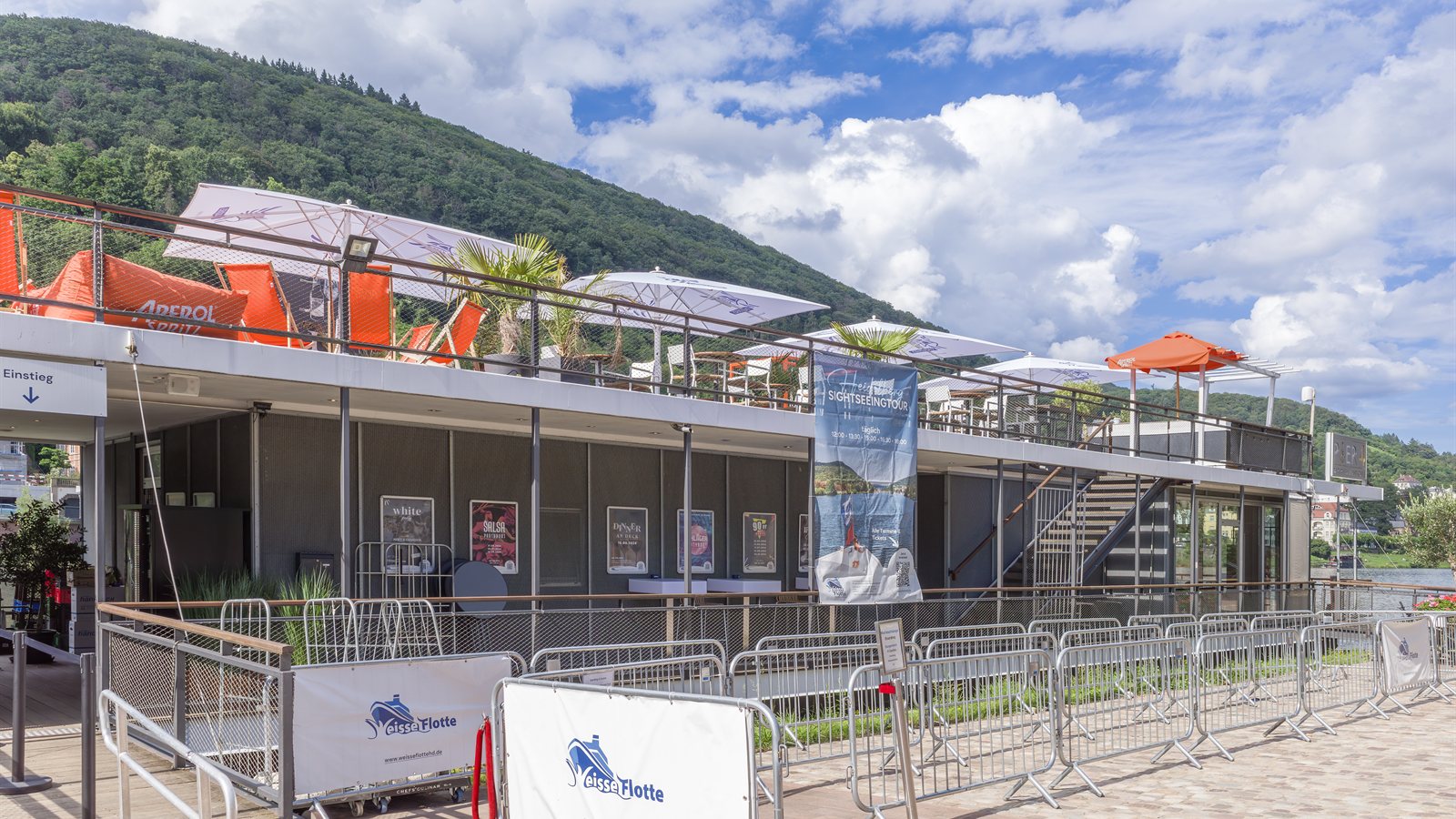
Two-level waterside restaurant with parasols above a river promenade
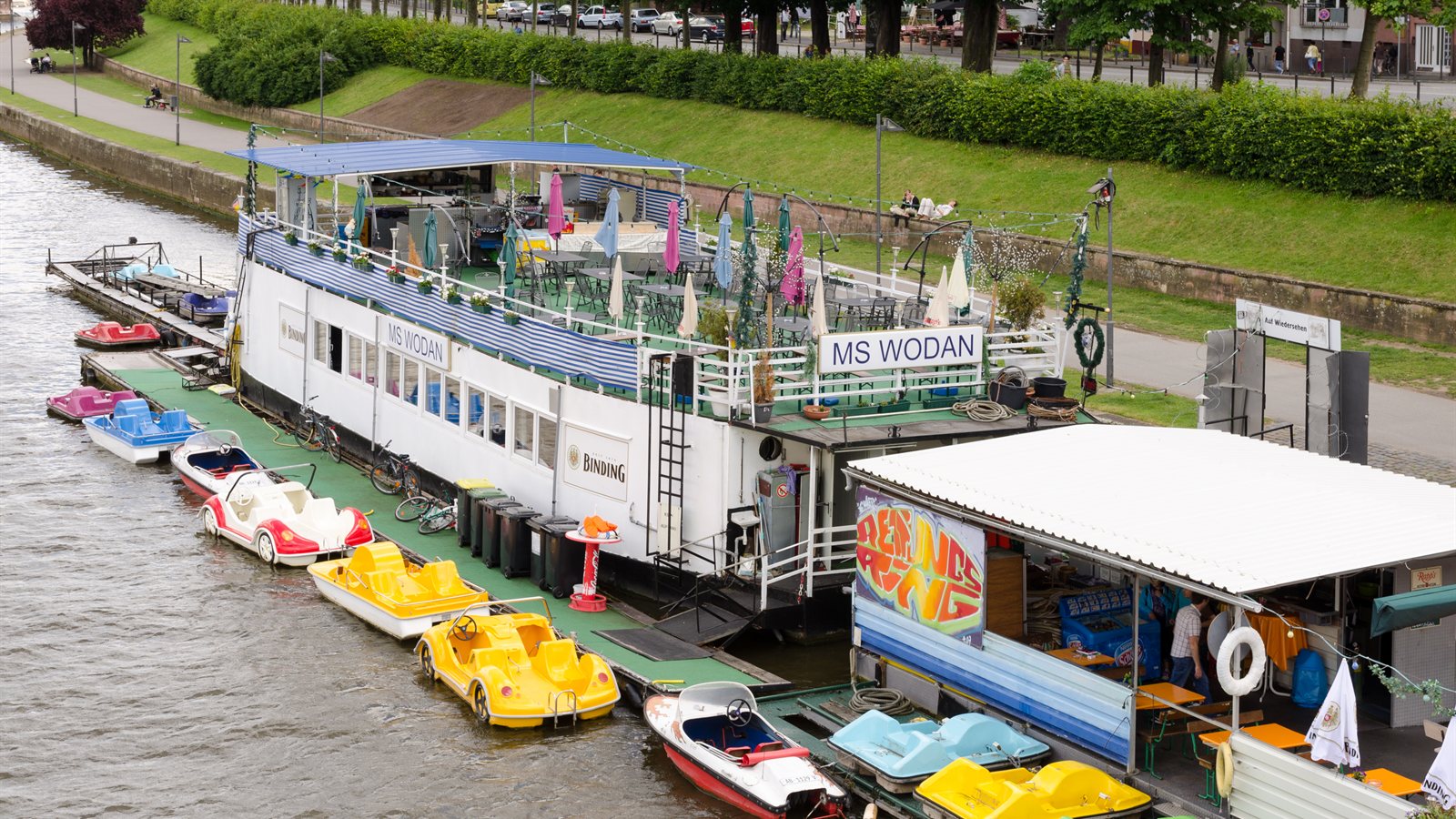
Moored restaurant vessel with pedal boats along a city embankment

About us

Restaurant People Who Learned the Water the Expensive Way

Our founders ran a pontoon restaurant of their own for six years and made every mistake available: a kitchen laid out as though it stood on solid ground, a mooring contract that transferred all the risk to the tenant, refrigeration that failed the first time the power dipped, and a licence that did not cover the deck extension the whole business depended on. They fixed it, the venue became profitable, and neighbouring owners started asking how. The consultancy grew out of those questions and turned into full operational management.

What we do is unglamorous and specific. Floating structures need annual survey, anchor and chain inspection, freeboard checks and insurance written for marine risk rather than a building. Access gangways must work at every water level and remain usable for a delivery trolley and a wheelchair. Kitchens need low centres of gravity, secured equipment, grease management that cannot discharge to the water, and a plan for the day the river rises a metre overnight. All of that has to exist before anyone argues about the menu.

The rest is ordinary hospitality done properly: hiring and keeping seasonal staff, buying well, costing dishes, controlling waste, filling the shoulder months and giving guests a reason to come back in October. We employ around two hundred people at peak season, promote from within wherever possible, and pay suppliers on time because a venue with no service road depends entirely on people being willing to come out to it.

Advantages

Why Owners Hand Over the Keys

Six things that separate a floating venue that makes money from one that quietly drains it.

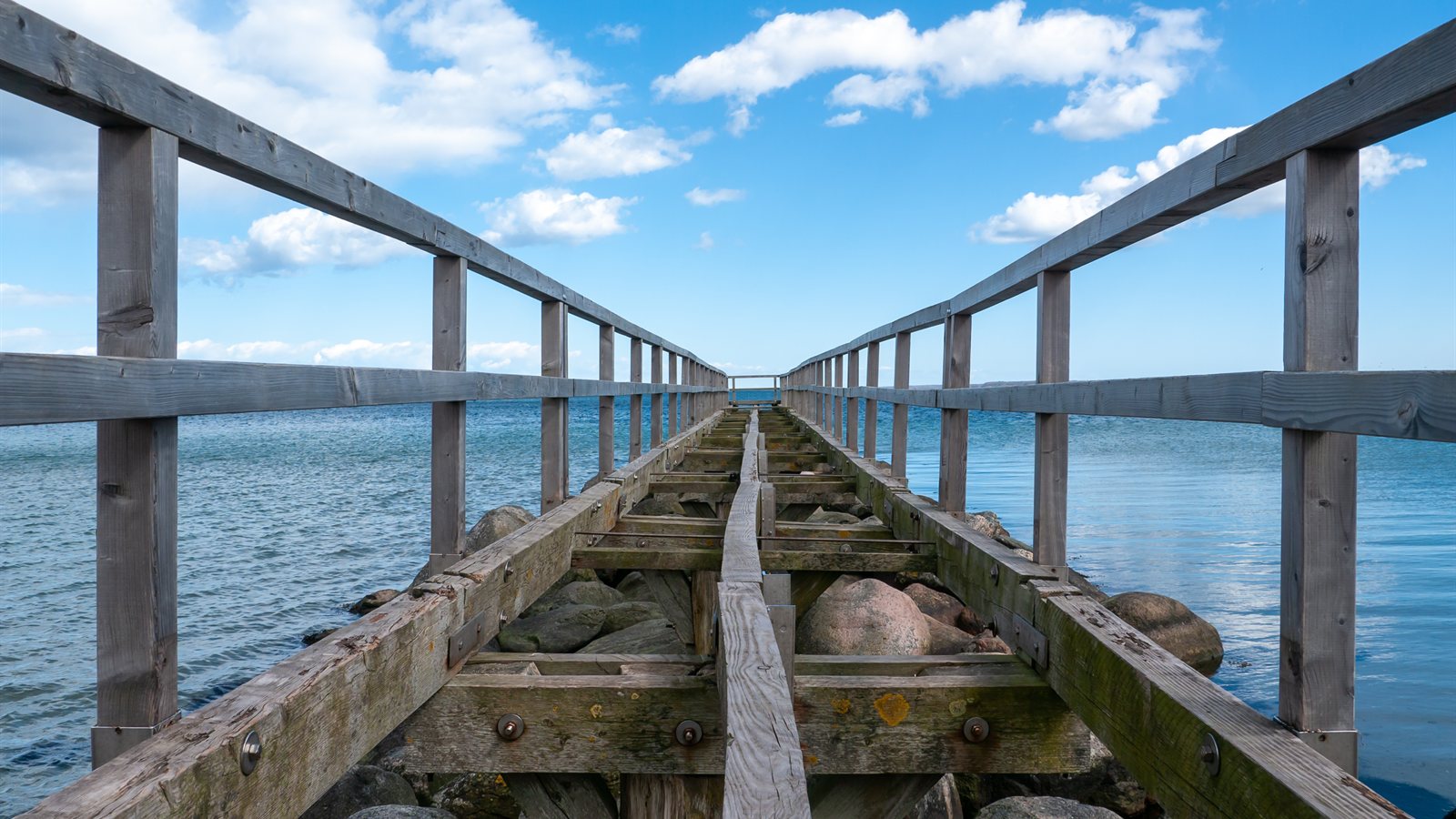
Long wooden pier stretching out over calm blue water

Compliance Held Properly

A venue on the water answers to more authorities than one on land: the waterway administration, the port or municipality, environmental health, fire, licensing and the insurer, each with its own inspection cycle. We hold every certificate, book every survey, submit every return and keep a single document folder that can be handed to any inspector on the spot. Nothing lapses quietly. In eleven years of managing floating premises we have never had a venue closed by an authority, which is the outcome owners actually care about when they compare fee percentages.

Structures Maintained on a Cycle

Pontoons, gangways, piles, chains and anchors deteriorate constantly and invisibly, and the cost of neglect is measured in weeks of closure at the worst possible moment. Every structure we manage has a written maintenance calendar: diver inspection of chains and anchors, freeboard and buoyancy checks, gangway bearings, decking replacement, handrail and edge-protection testing, and a pre-season and post-season survey. Work is scheduled outside trading hours, documented photographically and costed from agreed rates. Owners see the condition of their asset improving in the log rather than hearing about it after a failure.

Kitchens That Work Afloat

A kitchen designed for a fixed building fails on a deck: equipment slides, drainage runs the wrong way, extraction fights the wind, and every delivery has to cross a gangway on a trolley. We design and rebuild galleys with secured equipment, low centres of gravity, grease interceptors that cannot discharge overboard, cold storage on independent circuits with alarms, and a layout that a delivery can reach without crossing the guest area. Menus are then written for that kitchen, not for a photograph, which is why service holds together at three hundred covers on a hot Saturday.

Weather Planned For, Not Feared

Wind, rain, heat and rising water decide the turnover of a waterside venue far more than any marketing campaign. Each site has a written weather protocol: thresholds for closing the open deck, storing furniture, releasing bookings, adjusting staffing and switching to a reduced menu, plus a flood plan with defined lifting points and a rehearsed evacuation. Covered areas, heaters, wind screening and shade are specified from real local data. The effect is that a bad forecast costs a predictable amount instead of producing an improvised, expensive scramble.

Seasonal Teams That Return

Every waterside operator complains about staffing, and most of them cause the problem themselves. We publish rotas two weeks ahead, pay on time and above the local norm, provide meals on every shift and accommodation help for those who need it, train properly rather than by shadowing, and promote from within each season. Roughly seventy per cent of our seasonal staff return the following year, which means opening week is run by people who already know the site instead of a group of strangers learning a moving deck in the middle of service.

Reporting Without Fog

Owners receive a monthly statement showing covers, average spend, revenue by area and daypart, food and drink margins, wage percentage, waste, maintenance spend and the current cash position, with a short written commentary on what changed and why. Suppliers are paid from a transparent account with no rebate taken behind the owner's back. Our management fee is a single published percentage plus agreed maintenance rates. Contracts can be ended with three months' notice, and the handover file includes everything from supplier terms to the staff rota template.

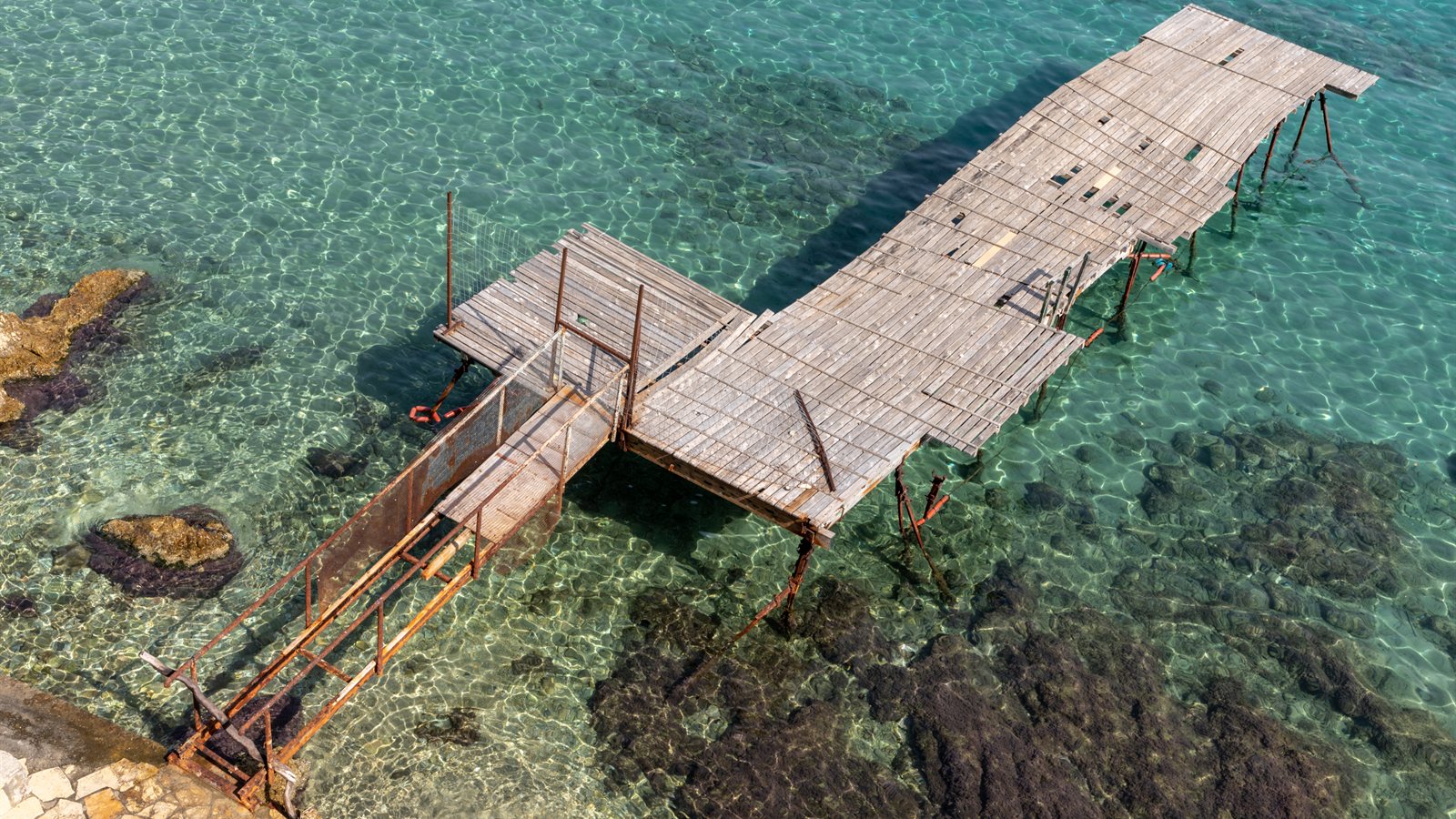
Seafront promenade with restaurant terraces under wide awnings

Services

What We Take On

From a single compliance review to full operation of a venue under our own management contract.

Full Operational Management

We run the venue end to end: recruitment, training and rotas, menu development and costing, purchasing, stock control, service standards, marketing and bookings, cash handling, compliance, maintenance and monthly reporting. The owner keeps ownership and receives a clear share of profit under a published fee structure. Most contracts begin with a ninety-day stabilisation period in which we correct the compliance file, rebuild the kitchen workflow and reset the pricing, after which trading changes are made gradually and measured against the previous season week by week.

Compliance and Licensing Reviews

A fixed-fee audit covering waterway permissions, mooring agreements, licensing, food safety, fire, environmental discharge, accessibility, insurance and structural survey status, delivered as a written report with a prioritised action list and realistic costs. Owners use it before buying a venue, before renewing a mooring contract, or when an authority has raised a concern. We can then carry out the remedial work ourselves or hand the report to the owner's own team with no obligation to appoint us for anything further.

Pontoon and Structure Care

Scheduled maintenance of floating decks, gangways, piles, chains, anchors, fenders, railings and utilities, carried out by our own crews and contracted divers. Services include pre-season and post-season surveys, decking and handrail replacement, anti-slip treatment, winter lifting and storage of furniture, utility connections and repairs after storm damage. Every intervention is logged with photographs against the structure's history, and owners receive an annual condition report suitable for insurers and lenders.

Kitchen and Bar Design Afloat

Design and rebuild of galleys and bars for floating and pier-mounted premises: equipment selection and securing, ventilation and extraction against wind, drainage and grease interception, refrigeration with independent circuits and alarms, delivery routes across gangways, and storage that works when nothing can be kept on the floor. We produce drawings, manage installation, obtain approvals and train the team on the finished space, then review the layout again after the first full season of trading.

Seasonal Staffing and Training

Recruitment campaigns, contracts, rota systems, payroll coordination and a training programme built for waterside work: service on a moving deck, water safety and rescue equipment, evacuation drills, allergen handling, cash and card discipline, and how to close an open terrace in eight minutes when a squall arrives. We also supply relief managers and chefs at short notice, which for a venue with one kitchen and no neighbours is often the difference between trading and closing for the night.

Events, Concessions and New Openings

We plan and operate concessions for municipalities and marinas, run event catering on decks and piers, and take new venues from concept to opening: feasibility and footfall study, layout, permissions, supplier contracts, brand and menu, recruitment and a launch plan with realistic first-season targets. Where a location cannot support a year-round operation, we say so and propose a seasonal model instead of building something that will stand empty and deteriorating from October to April.
Contacts

Talk to the Management Office

Send the location, the type of structure and what the venue is doing now. We will visit, review the compliance file and the trading figures, and come back with an honest assessment — including the cases where the right advice is to spend nothing and change the opening hours.

Municipalities and marinas tendering concessions are welcome to contact the same office for references and previous project summaries.

Office19 Quai de Bourbon, 75004 Paris, France
Phone+33 1 43 29 76 08
Office HoursMonday–Friday 09:00–18:00; on-call cover for managed venues