Local Knowledge Measured in Decades
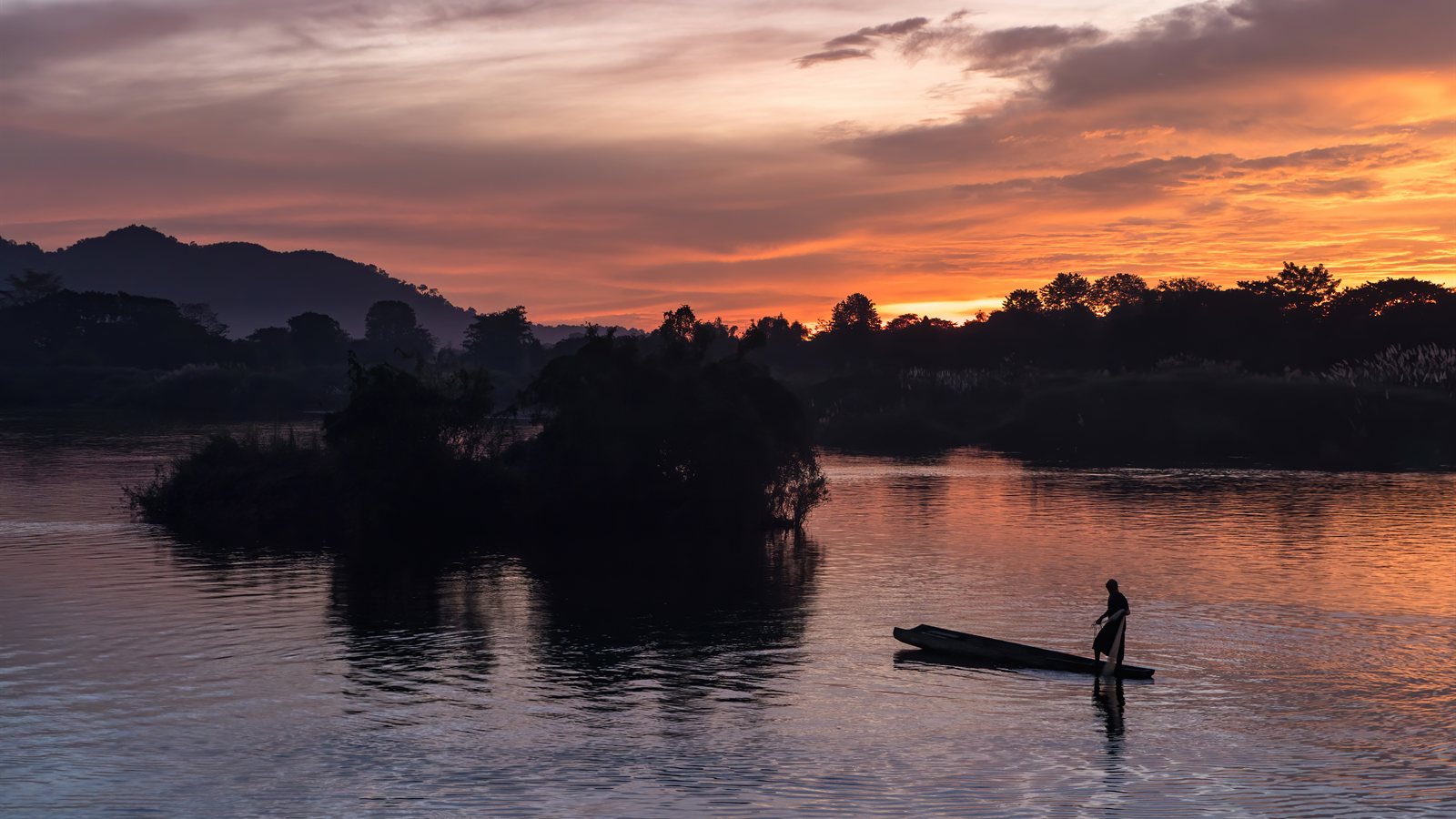
Our guides fished these shallows commercially before they ever guided on them, and that difference shows within the first hour. They read water level, colour and wind to decide which bar to work, know exactly where the drop-off sits under a featureless surface, and can tell from a single swirl whether the fish are feeding or simply moving through. Instead of anchoring in one place for the day, groups move with the light and the water, often covering three or four completely different types of swim. Guests who have fished for years still leave with something new, and complete beginners land fish on their first morning far more often than statistics would suggest.
Camps Pitched Before You Arrive
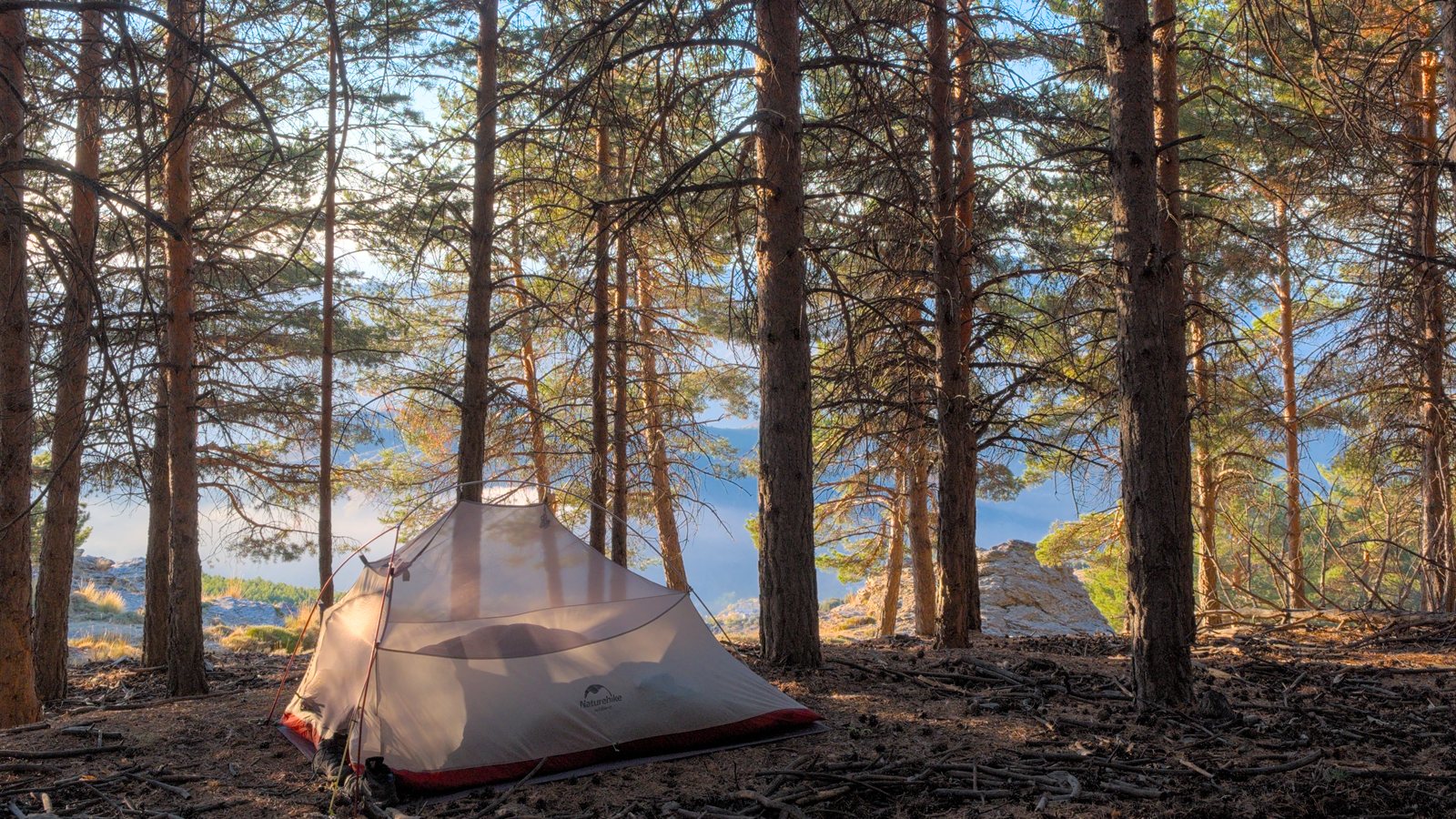
Nobody wants to spend the first evening wrestling with poles on wet sand. Camps are set up in advance on firm, level ground above the flood line: tents on raised platforms, proper mattresses and bedding, a shaded dining shelter, a fire ring with cut wood, gas cooking, lighting, insulated boxes for catch and drinks, and a screened washing area with filtered river water. Everything arrives by boat and leaves the same way, waste included. Guests step ashore, unpack a bag, and fish within twenty minutes, and in the morning breakfast is already cooking while the mist is still sitting on the shallows.
Tackle, Waders and Permits Included
Travelling with rods is awkward and expensive, so every trip includes quality equipment matched to the target species and the day's conditions: spinning, float and fly outfits, terminal tackle, bait or flies, landing nets with soft mesh, unhooking mats, and chest waders in every size from small women's to extra-large. Permits and licences are arranged in advance and carried by the guide, so no one has to navigate local paperwork or worry about crossing an unmarked boundary. Guests who prefer their own gear are welcome to bring it, and we provide secure dry storage plus a repair kit for anything that goes wrong on the water.
Strict Handling and Release Standards
Shallow-water fisheries recover slowly, so our rules are firm and explained before the first cast: barbless hooks, knotless nets, wet hands, unhooking mats for every fish taken from the water, minimal air time, and immediate release for anything above the size limit or outside the season. Photographs are taken quickly, close to the surface, with the fish supported properly. A small number of fish within legal limits may be kept for the camp table, cleaned and cooked the same evening. Guides record species, size and location for the regional fisheries database, and guests receive a copy of the log with their trip summary.
Real Cooking on the Bar
Camp food is not an afterthought. A cook travels with every overnight group, working from a fire, a griddle and a gas ring to produce bread baked in a covered pot, soups, grilled vegetables, slow-cooked meat and, when the rules allow, fish taken that afternoon and eaten within the hour. Breakfasts are substantial because mornings start early, lunches travel in insulated boxes to wherever the group is fishing, and evening meals are served at a long table under the shelter. Dietary requirements, allergies and preferences are arranged in advance, and there is always strong coffee before first light.
Small Groups, Honest Bookings
A bar can hold three or four rods comfortably and eight rods badly, so we cap every trip accordingly and refuse to overbook a stretch even in peak weeks. Prices are quoted in full before payment and include transfer, equipment, permits, camp, food and guiding, with nothing added afterwards. If water conditions turn a planned reach unfishable, we move the trip to a suitable alternative and explain why rather than sending guests out to save face. Dates that genuinely fish poorly are marked as such on our calendar, which costs us bookings and earns us guests who return every year.