TR Towpath Routes
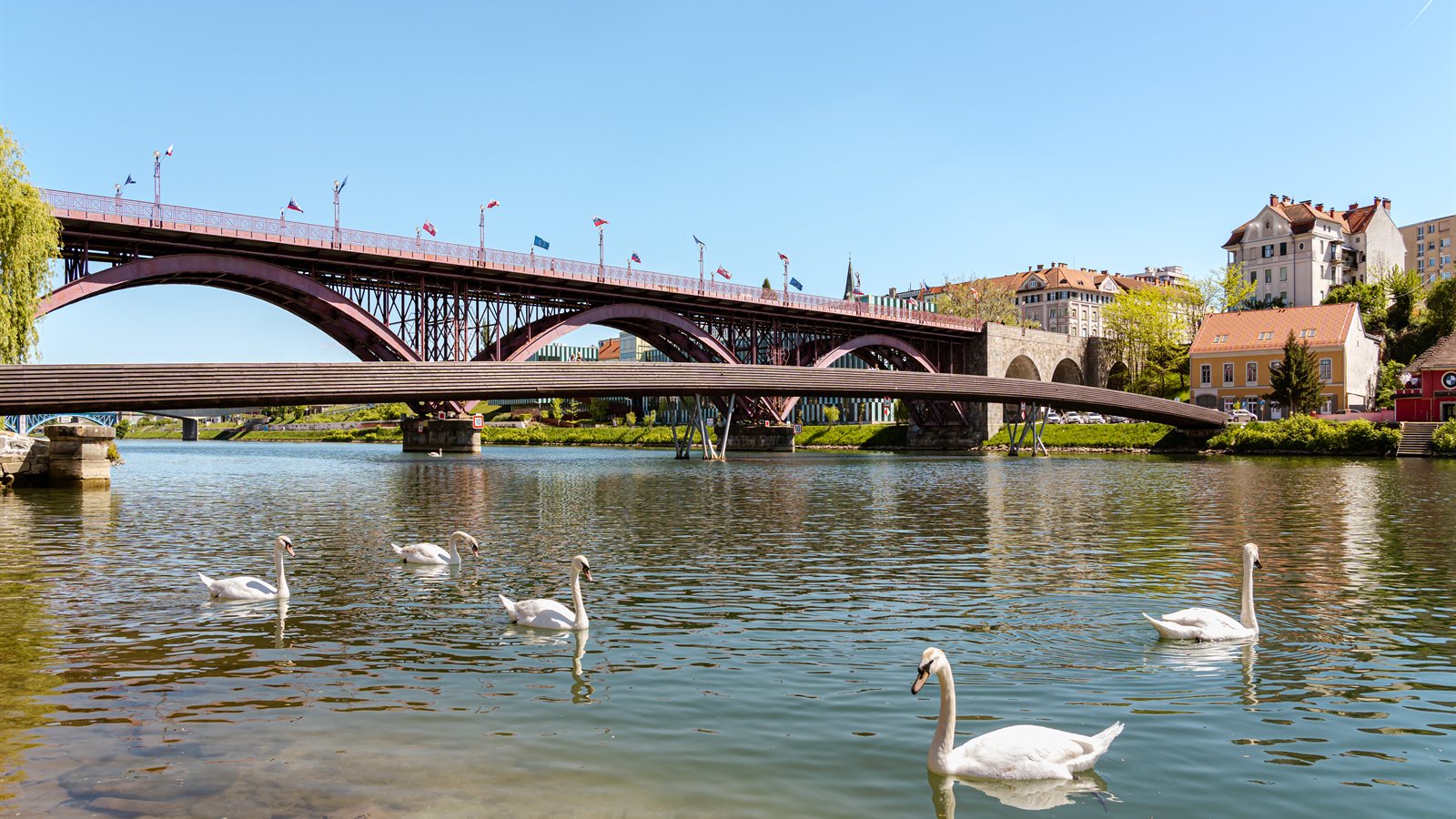
Surfaced riverside path passing under an old iron bridge

Flat gradients · Water always in sight

Walking and Cycling Routes That Follow the River

River paths are the easiest long-distance routes there are: gradients stay gentle, navigation is obvious, villages appear every few kilometres and the water keeps you company the whole way. We maintain and package four hundred kilometres of these routes — towpaths, old ferry tracks, flood embankments and forest trails — into trips you can simply turn up for. Route packs, bike hire, luggage transfer between guesthouses, booked accommodation and a support number that a real person answers are all part of it, whether you walk for a day or ride for a fortnight.

About us

Route-Builders First, Tour Operators Second

The business began with two people, a measuring wheel and an argument with a guidebook. Published river routes kept sending walkers along the wrong bank, over stiles that had rotted away, or onto a main road for six kilometres because the path had been fenced off years earlier. So they surveyed the whole valley themselves, negotiated access with farmers and municipalities, cut the sections that had grown over, and produced route notes that actually matched the ground. Everything since has been built on that survey work, which is repeated every spring.

Today we maintain waymarking on four hundred kilometres of path in cooperation with local councils, replace signs after storms, keep a live status page for closures and flooding, and repair surfaces on the sections nobody else has taken responsibility for. Our route packs carry the current year of survey data, including where the path becomes rough, which gates are heavy, where the shade runs out and how far it is to the next tap, toilet or place selling a sandwich.

The rest of the operation exists to remove friction. We work with about sixty guesthouses, farms and small hotels along the routes, all inspected by us and paid promptly. Our vans move luggage each morning and rescue anyone who has had enough. Bikes are serviced in our own workshop. None of it is glamorous, and all of it is the reason people who have never walked more than five kilometres finish a week of forty-kilometre days.

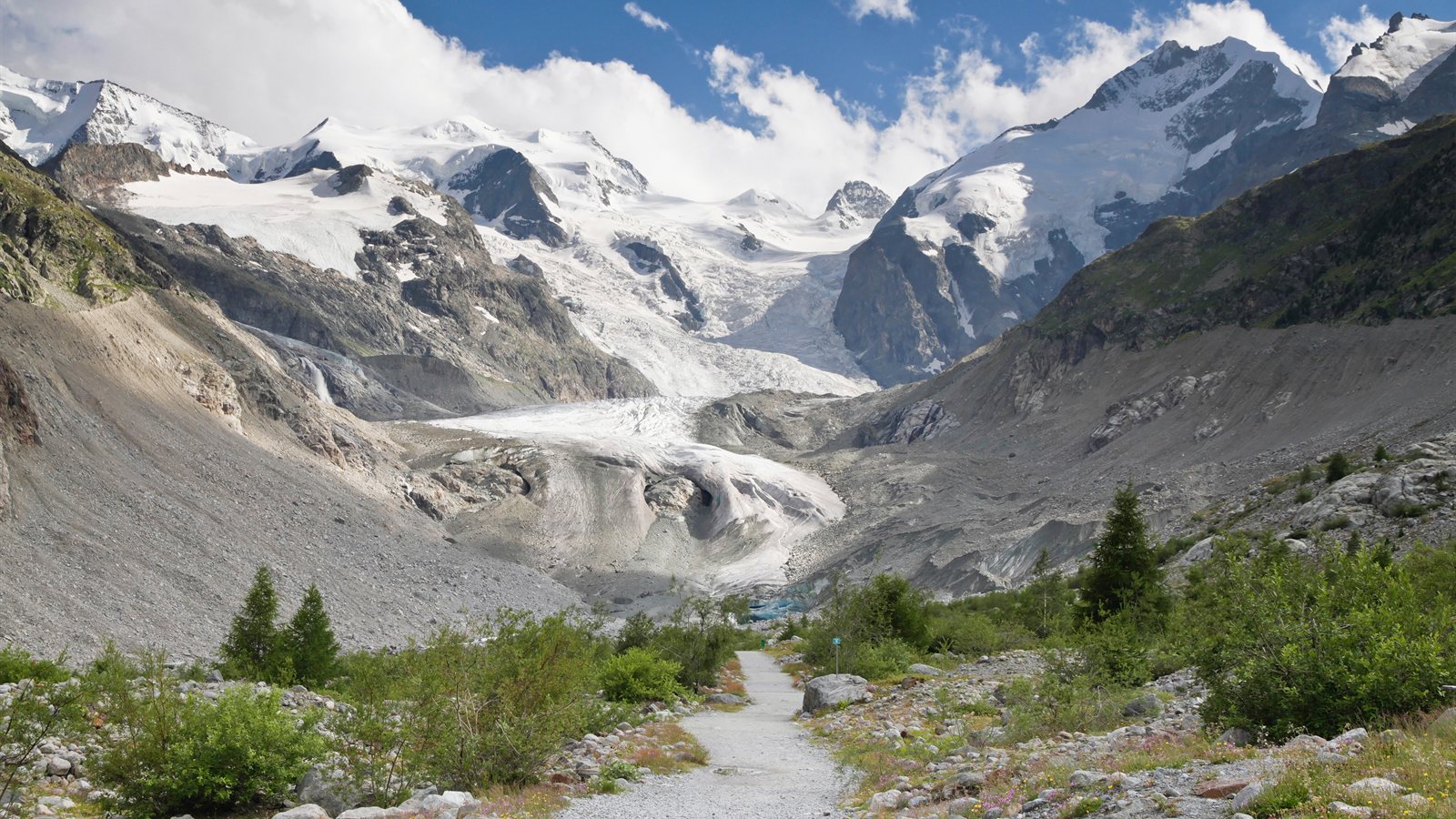
Gravel trail leading towards snow-covered peaks in a wide valley
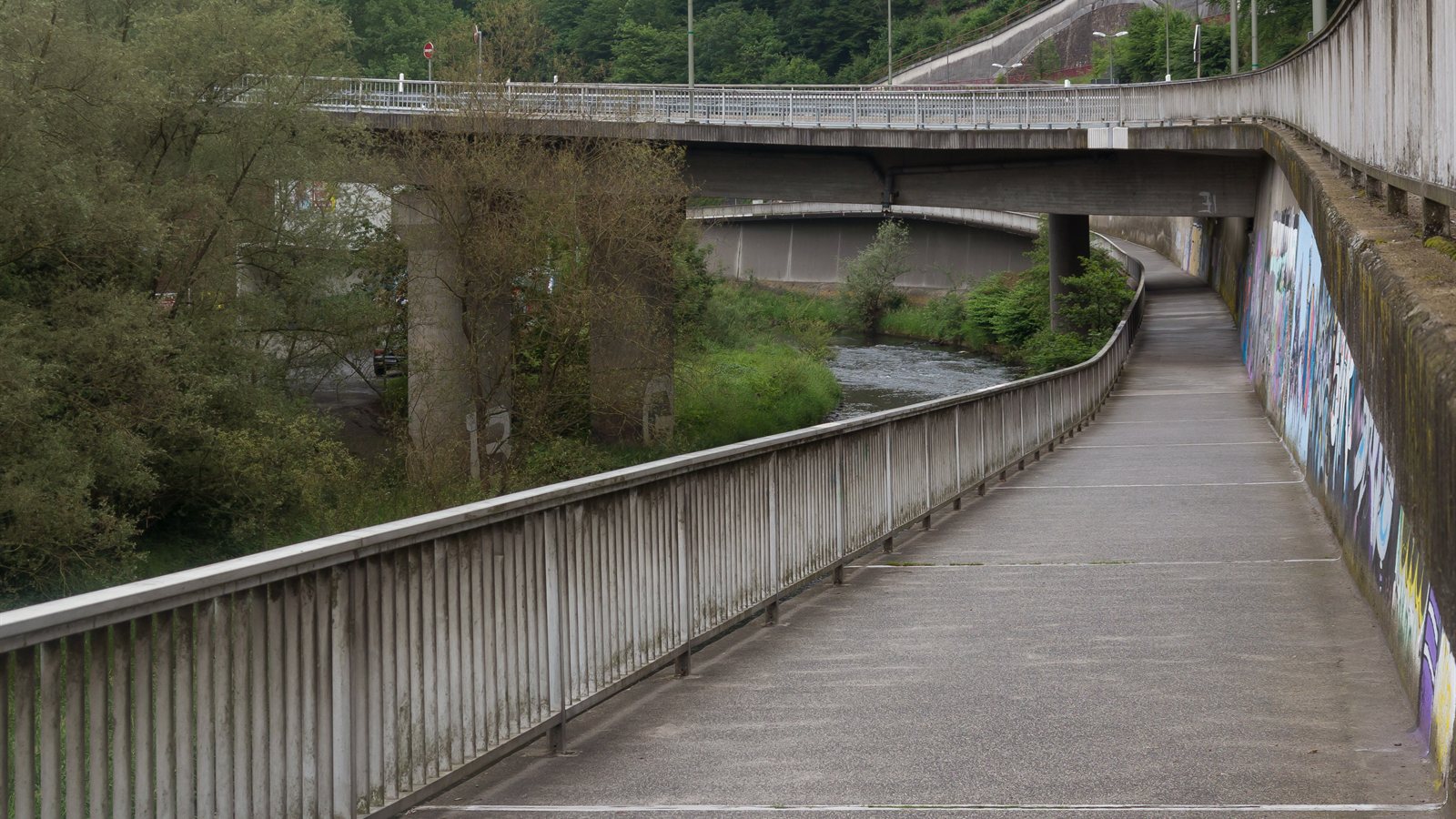
Wide cycle path curving along a river beneath road viaducts

Advantages

Why These Trips Work

Six things that make the difference between a good week and a week spent arguing with a map.

1

Routes Surveyed Every Spring

Every kilometre is walked or ridden by our own staff each spring, and the notes are corrected before the season's packs are printed. That means the distances are measured rather than estimated, the surfaces are described honestly, the gates and stiles are listed, and any diversion is already in the notes rather than discovered at a locked gate in the rain. When something changes mid-season — a flood, a felling operation, a bridge repair — the status page is updated the same day and everyone with a booking in that section gets a message with the alternative.

2

Gentle Gradients, Real Distances

A river cuts the easiest line through any landscape, which is why these routes suit people who would never attempt a mountain trail. Most days climb less than a hundred metres in total, surfaces are firm enough for a hybrid bike or a pushchair on the main sections, and the villages are close enough together that a day can be shortened at almost any point. Because effort is low, distances that sound intimidating turn out to be comfortable, and guests regularly cover more ground than they expected without ending the day exhausted.

3

Luggage Moved, Not Carried

Bags are collected from your guesthouse each morning between eight and nine and are waiting at the next one by mid-afternoon, every day, including Sundays. There is no weight limit worth worrying about and no charge for a second small bag. The vans also carry spare inner tubes, a first-aid kit and a pump, and the drivers know the routes well enough to find someone who has stopped. Being able to walk or ride with nothing but a day pack is the single change that turns a long-distance route from an expedition into a holiday.

4

Accommodation We Have Slept In

Every guesthouse, farm and hotel on our lists has been visited and stayed in by a member of staff, and is revisited at least every second year. We check the beds, the showers, the breakfast, the drying facilities and whether they will genuinely feed someone arriving at eight in the evening. Places that stop caring are removed, whatever the commission. Rooms are booked in your name with the deposit paid, dietary requirements passed on, and arrival times confirmed, so nobody arrives at a dark door with a phone that has no signal.

5

A Support Line That Answers

From seven in the morning until nine at night, every day of the season, the number in your route pack is answered by someone in the office who knows the route, has the vans' positions and can rebook a room. Whether the problem is a broken spoke, a twisted ankle, a missed turning, a thunderstorm or simply a change of mind, the answer is practical and immediate. We collect people, replace bikes, move bookings forward and arrange taxis. Most weeks this is used two or three times, and every time it is the reason a trip continues.

6

Money That Stays in the Valley

The guesthouses, cafés, ferries and bike shops on our routes are family businesses, and they are paid within a week rather than at the end of a season. We employ local drivers, mechanics and surveyors, print packs locally and contribute to path maintenance funds in each municipality we cross. In return the valley keeps its services open through the shoulder months, which is why our routes have working cafés in April and October when neighbouring valleys have nothing between breakfast and dinner.

Services

What You Can Book

Self-guided packages, guided groups, day trips, bike hire and support for events on the same paths.

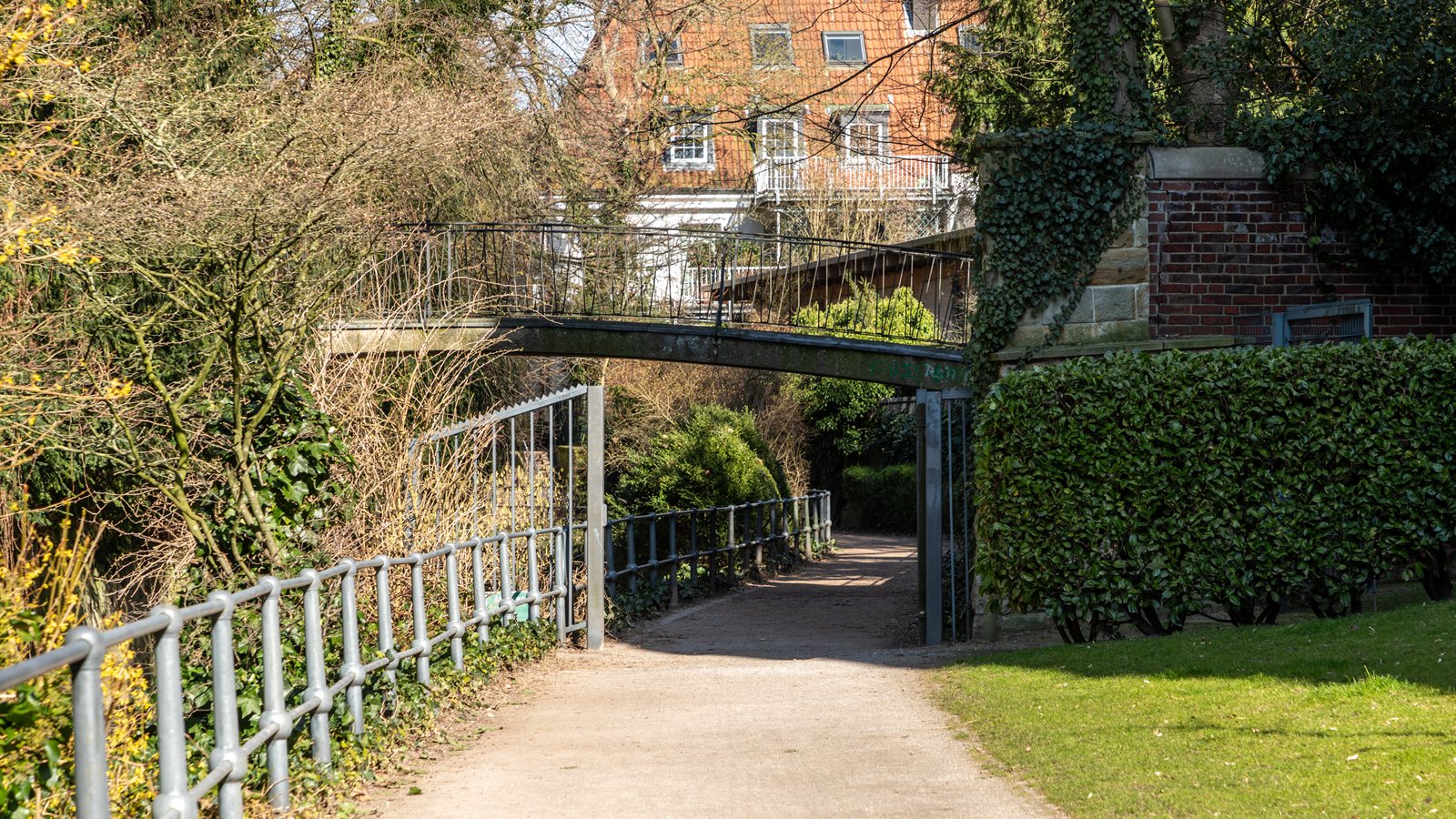
Wooden footbridge crossing a river beside an old town bridge

Self-Guided Walking Weeks

The core product: three to fourteen nights following the river downstream, with accommodation booked, luggage moved daily and a route pack containing maps, measured notes, elevation profiles, a list of cafés, taps and toilets, emergency numbers and a bus timetable for shortening a day. Distances can be set anywhere between twelve and thirty kilometres per day, and rest days can be inserted at any village. Departures run daily from April to October, and there is no group to keep up with because you walk on your own timetable.

Cycling Tours With Bike Hire

The same routes by bike, at forty to seventy kilometres a day, with hybrid, touring and electric bikes available in every frame size along with child seats, trailers and tandems. Hire includes helmet, panniers, lock, pump, repair kit, spare tubes and a full service before delivery, and bikes are delivered to your first guesthouse and collected from the last. Electric bikes come with two batteries and a list of charging points. A mechanic can reach any point on the network within about an hour during opening times.

Guided Groups and Slow Walks

For those who prefer company, guided weeks run with a leader who knows the natural and industrial history of the valley, stopping at watermills, fish passes, ferry crossings and the places where the river has changed course within living memory. Groups are capped at twelve. We also run slow walks with shorter daily distances and firmer surfaces for older participants and anyone returning to activity after illness, with a vehicle following the route so that any day can be cut short without embarrassment.

Day Trips and Weekend Loops

Circular routes of ten to thirty kilometres for people with a single free day, each starting and finishing at a station or a car park, with a printed card and a recommended lunch stop. Weekend packages combine two days of walking or riding with one night's accommodation and luggage transfer between them. A shuttle runs at weekends so that a linear route can be walked one way and returned by minibus, which is by far the most popular option with local families and visiting groups.

Family and School Packages

Routes chosen for short distances, traffic-free surfaces, playgrounds, swimming spots and places to eat, with bikes and trailers for every age, child seats, and a treasure-hunt booklet that keeps younger walkers moving. Schools and youth groups get a dedicated planner, risk assessments, an accompanying vehicle and instructors qualified in first aid and group leadership. We can also arrange camping instead of guesthouses, with tents pitched in advance at farm sites and collected the next morning.

Route Maintenance and Event Support

Beyond tourism, our field teams maintain waymarking, clear vegetation, repair surfaces and install gates and benches under contract to municipalities and landowners, and we produce survey reports for authorities planning new sections. We supply marshals, signage, water points and sweep vehicles for running events, charity walks and cycling sportives on these paths, and we publish an open status page of closures and flood levels that anyone may use without booking anything with us.
Contacts

Plan a Trip

Tell us how many days you have, how far you would like to travel each day and whether you prefer walking or riding. We will send a suggested itinerary with distances, accommodation options and a price, and we will say honestly if the plan is too ambitious.

Bike hire, day trips, school groups, event support and maintenance contracts are handled by the same office.

Office13 Rue du Temple, 75004 Paris, France
Phone+33 1 42 72 84 15
Season & SupportApril–October; office and support line daily 07:00–21:00