Sedgehouse Retreats Estates among the reeds
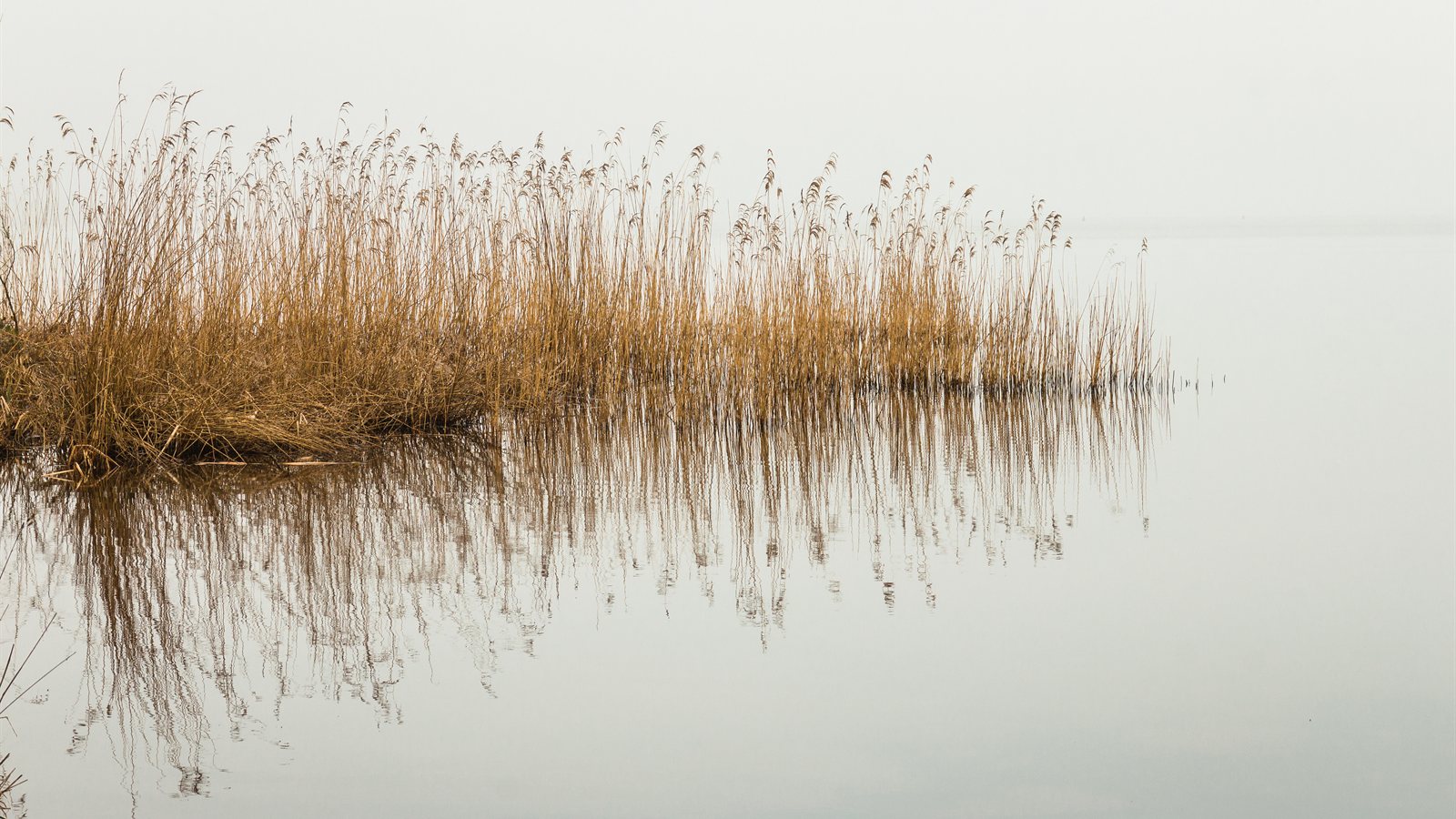
Golden reeds mirrored in still water under a pale sky

Quiet Estates Among Coastal Marshes and Reed Beds

Six restored houses stand at the edge of a marsh that reaches to the sea: thick walls, deep windows, wood fires laid before you arrive, kitchen gardens still producing, and verandas facing water that changes colour four times a day. There is no through road, no streetlight and almost no sound after dusk beyond geese, bitterns and wind in the reeds. Each house is let to one party at a time with linen, firewood, a stocked larder and the use of bicycles, a rowing boat and a hide at the edge of the water.

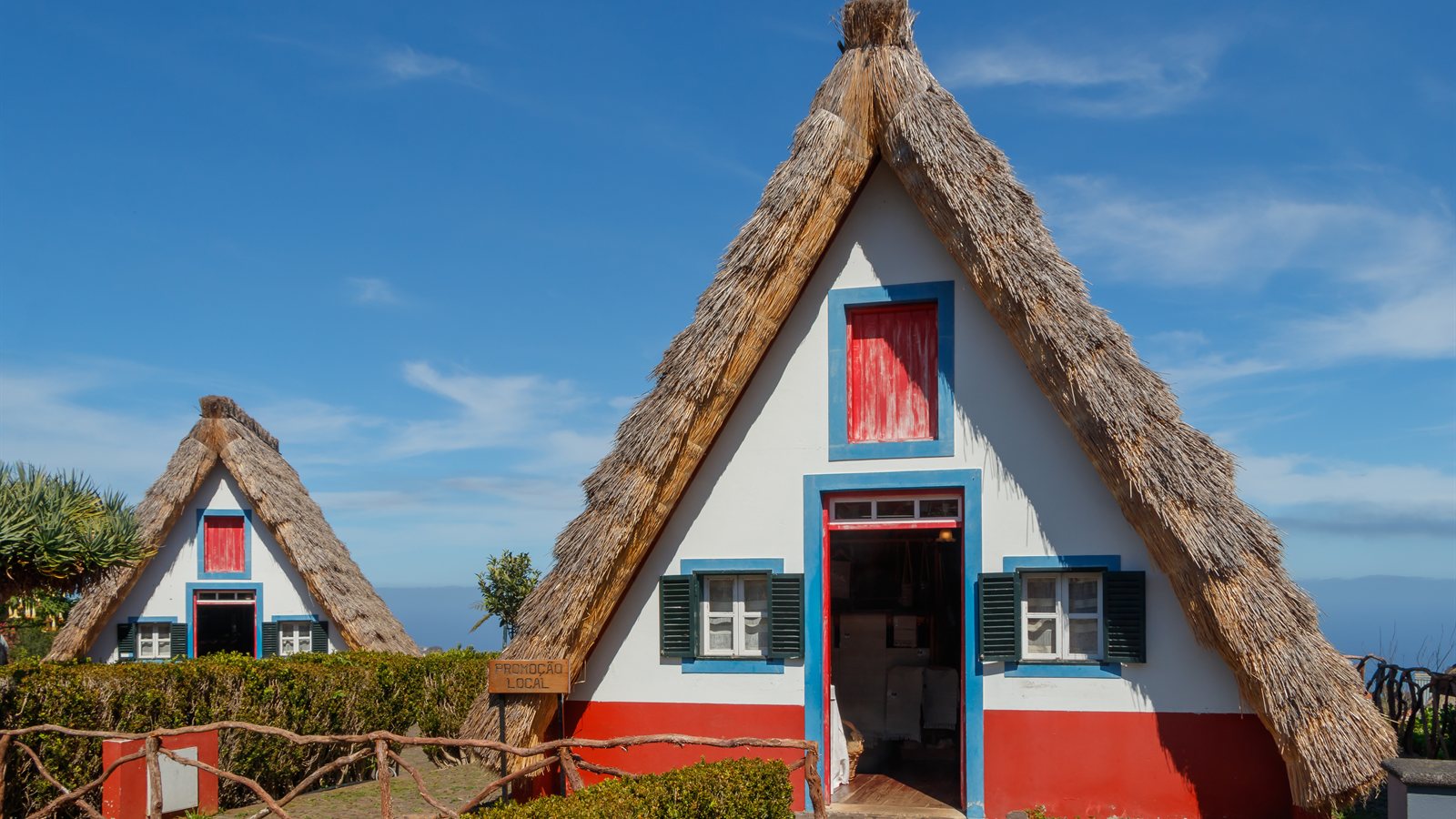
Traditional thatched cottages with painted shutters and hedged garden

About us

Houses Saved From the Damp and Given Back Their Silence

All six houses were nearly lost. Marsh buildings suffer badly once they are empty — rising damp, failed thatch, rotten sills, salt in the plaster — and each of these had been standing open to the weather for a decade or more when we took them on. Restoration was slow and unglamorous: lime plaster instead of cement, reed thatch cut from the same marsh, oak sills, clay-block insulation, and heating systems that keep the fabric dry rather than merely warming the air for a weekend.

What we deliberately did not do was modernise the atmosphere out of them. Rooms kept their proportions, floors are stone and board rather than laminate, windows are timber, and there are no televisions, no piped music and no keypads. What has been added is quiet comfort: proper mattresses, wool bedding, deep baths, underfloor heating in the bathrooms, a fast connection for those who need it and a wood-burning stove in every main room with a basket filled daily.

The land matters as much as the buildings. We manage two hundred hectares of reed bed and wet meadow with a conservation trust: cutting reed on a rotation for thatch, blocking old drainage, keeping cattle on the meadows at low density and counting bitterns, harriers and breeding waders each spring. Guests walk in it, watch from the hides and, if they like, join the winter cutting weeks.

Advantages

What These Houses Offer

Six things guests mention in the visitors' book, most of them absences rather than additions.

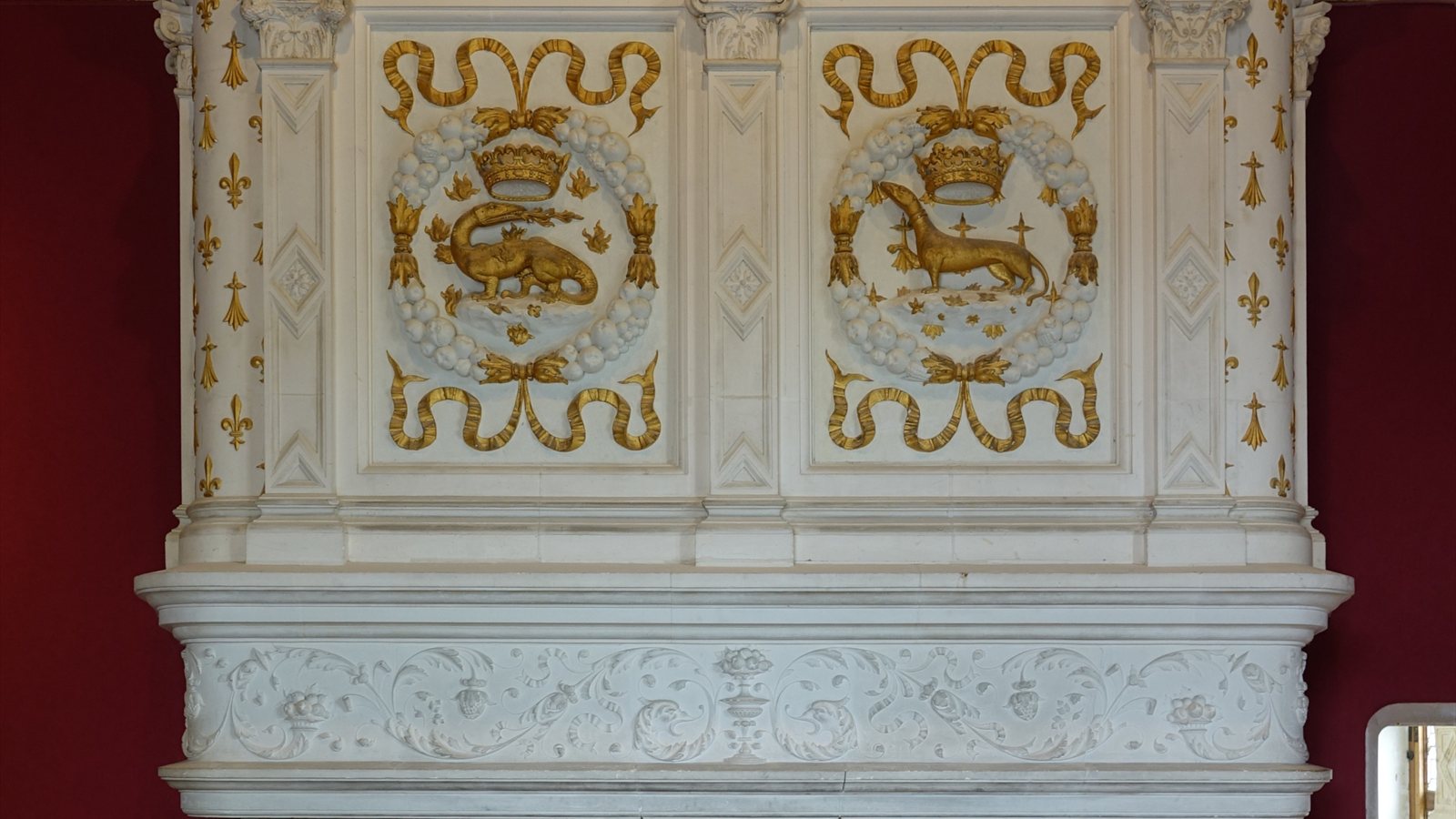
Grand stone fireplace in a panelled historic room

Genuine Silence

There is no through road past any of the houses, the nearest main route is six kilometres away behind a ridge, and the marsh absorbs what little sound reaches it. At night the loudest things are geese moving between roosts and, in spring, a bittern that carries for two kilometres. Guests who live in cities frequently report sleeping better than they have in years, and several have admitted to finding the first night unnerving before adjusting. We do not run generators, we schedule all machinery work for weekday mornings, and we do not accept bookings from groups intending to hold a party.
Warm and Dry, Not Merely Old

A period house on a marsh can be an uncomfortable and unhealthy place if it is restored badly. Ours were re-plastered in lime so the walls can breathe, insulated where insulation belongs, fitted with heat pumps and underfloor systems that run continuously at low output, and equipped with dehumidification in the utility rooms. Wood stoves supplement rather than substitute. The result is a building that stays at a steady temperature and humidity, so bedding is dry, books do not warp, and nobody spends the first evening waiting for a cold room to become bearable.

Wildlife at the Window

Because the houses sit at the edge of managed reed bed rather than beside it, the wildlife comes to them. Marsh harriers quarter the reeds in view of the kitchen windows, otters use the dyke behind two of the houses, barn owls hunt the meadows at dusk and in autumn thousands of geese pass overhead at first light. Each house has binoculars, a telescope, identification books and a log kept by successive guests. Two hides sit within a ten-minute walk, one of them accessible by a boarded path suitable for wheelchairs.

Food From the Gardens and the Coast

Each house has a walled or hedged kitchen garden that is still worked, and guests are welcome to cut whatever is ready — herbs, salad, beans, courgettes, soft fruit, apples and pears in season. Eggs come from the hens by the barn, and a weekly delivery brings bread, butter, cheese and fish landed at the harbour eight kilometres away. A cook can be booked for one or two evenings, and a full shopping order can be waiting in the larder on arrival. Kitchens are equipped seriously, with real knives, heavy pans and a bread oven at one house.

One Party at a Time

Every house is let whole, to a single household or group, with no shared entrance, no neighbouring guests and no staff living in. Housekeepers come by arrangement rather than daily, arrivals are met if wanted and left alone if not, and there is no reception to walk past. The houses sit between five hundred metres and two kilometres apart, screened by hedge and reed, so even at full occupancy the estate feels empty. This is why families with small children, writers and people recovering from illness make up so much of our returning custom.

A Landscape Actively Cared For

The reed beds are cut on a seven-year rotation for thatch, old drainage channels have been dammed to raise the water table, the meadows are grazed at low density by native cattle, and breeding birds are counted every spring by our own staff with a conservation trust. Results are published, including the seasons when numbers fall. A fixed share of each booking funds that work, guests may join the winter reed cut or the spring counts, and every house holds a folder explaining exactly what is being attempted on the land they can see from the window.

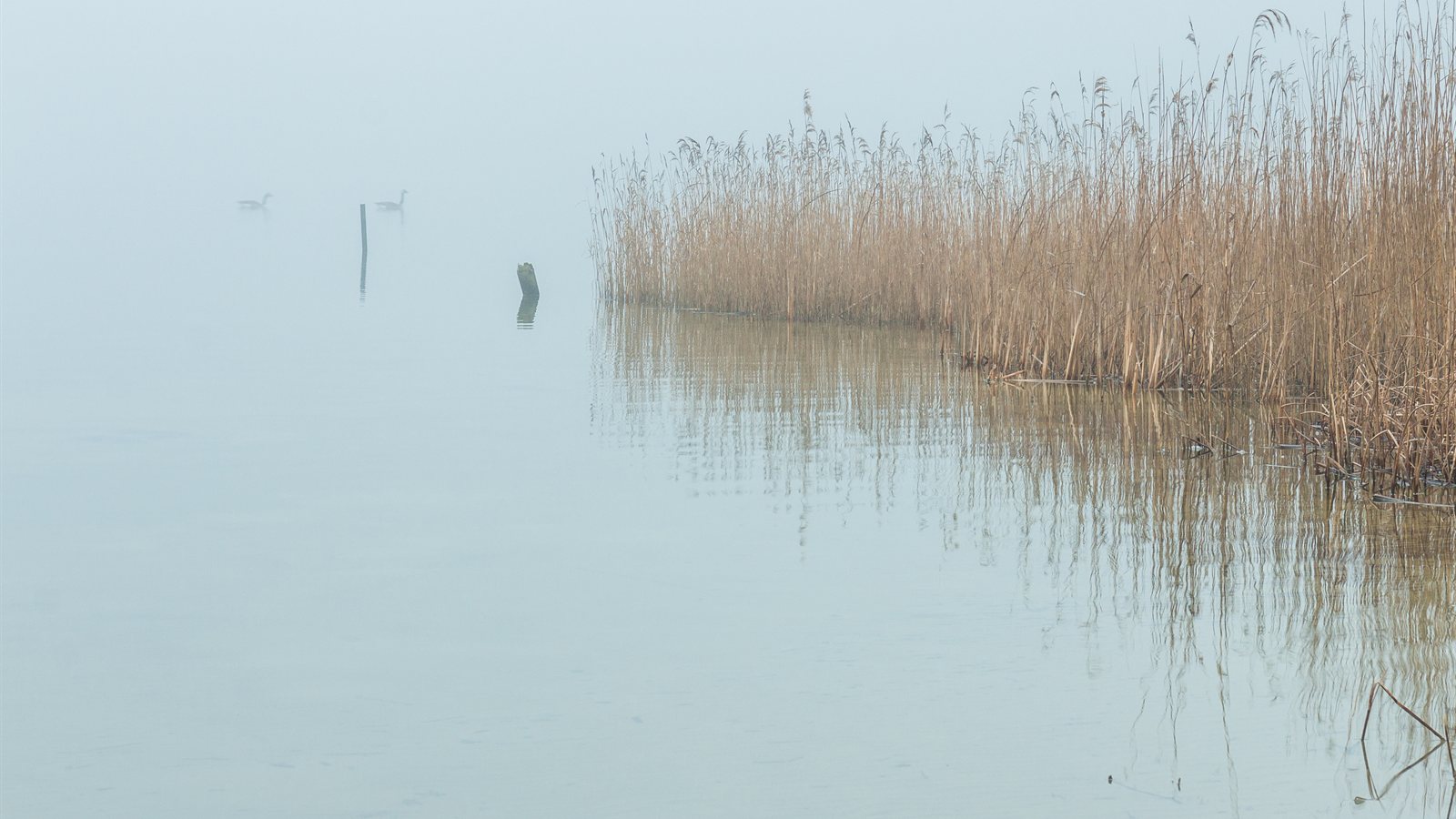
Reeds fading into fog at the edge of open water

Services

What a Stay Includes

Six houses, and the services that make a week here effortless without anybody hovering.

Whole-House Stays

Six houses sleeping from two to ten, let whole for three nights or longer. Rates include linen and towels, firewood delivered daily, all heating, a welcome larder with bread, eggs, butter, coffee, milk and something from the garden, and the use of bicycles, a rowing boat, binoculars and the hides. Houses are heated and the fire laid before arrival at any hour. Dogs are welcome at four of the six, with towels, bowls and a boot-washing point provided, and cots, high chairs and stair gates are supplied without charge.

Food, Cooks and Deliveries

A shopping order can be placed before arrival and will be waiting in the larder and fridge. Bread arrives three mornings a week, and a fish delivery comes from the harbour on Fridays. A cook is available for private dinners in your own kitchen, working with what the garden and the coast provide, and for breakfast on request during longer stays. We will also arrange a picnic hamper for a day in the hides, and lay a long table with heaters and lanterns in the barn for family gatherings.

Guided Marsh Walks and Boat Trips

Our warden leads walks several times a week: dawn sessions for bittern and harrier, evening walks for barn owls and hares, autumn mornings under the goose flightlines and winter afternoons watching the roost build. A flat-bottomed boat takes small groups down the main dyke to a hide unreachable on foot. Walks are free to guests, capped at eight, and adjusted to whatever the marsh is doing that week. Non-residents can join by arrangement when there is space.

Long Stays and Winter Writing

From October to March the houses are let by the month at a substantially reduced rate, with a desk and chair set up, a fast connection, weekly cleaning and laundry, a log delivery and a grocery order on a fixed day. Two houses are particularly suited to solitary work, with a study facing the water and a stove that will run all day. Writers, painters and researchers take most of these months, and several have returned every winter since the first house opened.

Family Gatherings and Small Events

Two or more houses can be booked together, giving a group up to twenty-eight beds with the barn as a shared dining space. We arrange catering, furniture, heating, lighting and transport from the station, and we can supply a marquee for the walled garden. Music is permitted indoors until eleven; beyond that the marsh sets the rules. A single coordinator handles the whole event, and we cap gatherings at a size the lanes and the parking can genuinely take.

Conservation Weeks and Courses

Each winter we run reed-cutting weeks in which guests work alongside the wardens for part of each day, learning the tools and the rotation, with accommodation offered at a nominal rate. Spring brings bird-survey weekends, and through the year we host short courses in thatching, hedge-laying, willow work, botanical drawing and landscape photography, taught by people who do these things for a living. Places are limited to eight, all materials are included, and food comes from the same kitchens that feed the guests.

Contacts

Enquiries and Reservations

Write with your dates and the number of guests. We will tell you which houses are free, which suits your party, what the marsh is likely to be doing that month and how long the walk from the parking area is in wet weather.

Long winter lets, gatherings, courses and conservation weeks are arranged through the same office.

Office6 Rue Vieille du Temple, 75004 Paris, France
Phone+33 1 42 76 19 54
Office HoursMonday–Saturday 09:00–18:00; arrivals at any hour