Meadowlark Trails Wet grassland walking

Wet grassland · Waders · Long horizons

Trails and Birdwatching Across Floodplain Meadows

We maintain and guide a network of paths across seasonally flooded grassland, where lapwing, godwit, snipe and stork feed within a few hundred metres of the parking area. Boardwalks carry walkers over the wettest ground, four hides sit at the edge of shallow scrapes, and routes are re-marked every spring once the water has decided where it wants to be. Guided mornings run with a naturalist and loan binoculars; self-guided walkers get a waterproof map, a species list for the week and boot advice that is actually honest about the mud.

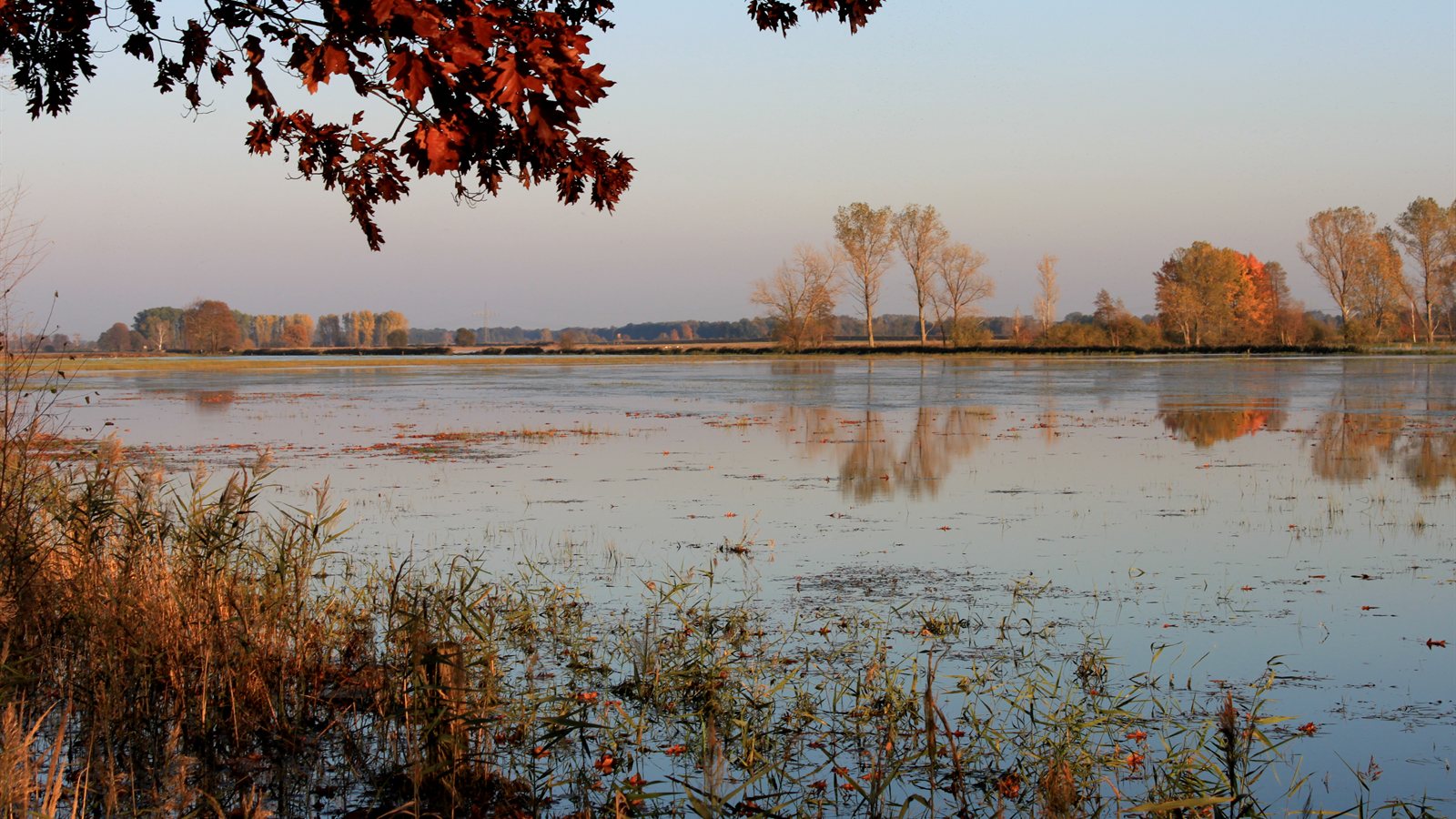
Flooded autumn meadow with bare trees reflected in still water
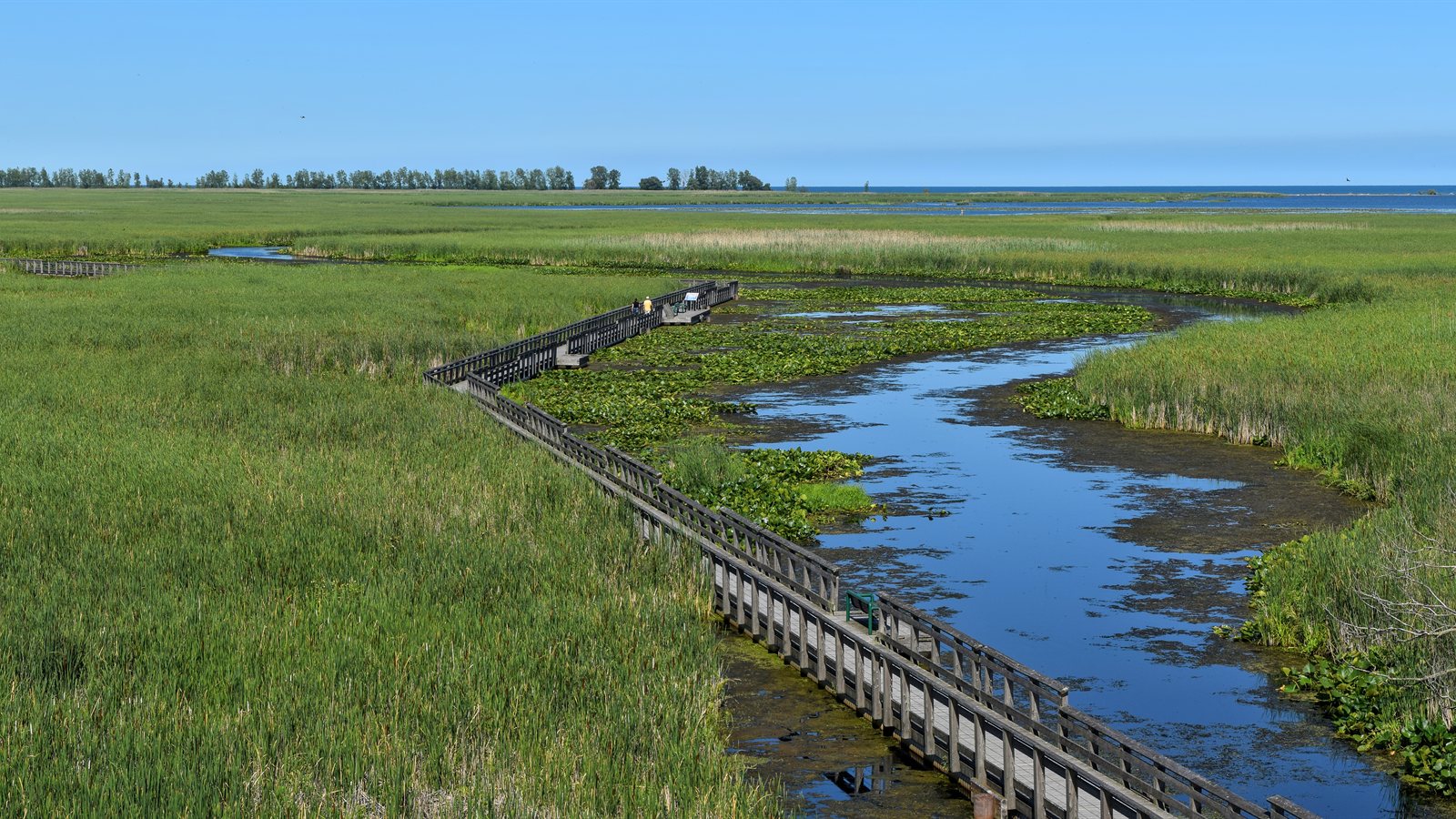
Wooden boardwalk crossing a wide green marsh towards open water

About us

Keepers of a Wet, Difficult, Beautiful Place

The trust behind these trails was formed by farmers, a hydrologist and a group of local birdwatchers who disagreed about almost everything except that the meadows should keep flooding. Drainage had been proposed twice; both times the objection was the same, that wet grassland feeds birds no arable field ever will. Instead of arguing indefinitely, the group leased the land, restored the sluices, reinstated summer grazing at low density and opened a modest network of paths so that visitors could see what was being protected.

Everything we build is designed to be submerged. Boardwalks float on pontoon sections and are re-tied each spring, hides stand on stilts with removable steps, signs are set at a height that survives the highest recorded level, and gravel paths are laid on geotextile so they can be raked back into shape rather than rebuilt. Winter closures are announced honestly: when the water is over the boards, the route is shut, and nobody is encouraged to wade through a nesting area to prove otherwise.

Guiding is done by people who count these birds in their own time. Between walks we run breeding surveys, ring waders under licence, maintain water levels through the sluices with the hydrologist's advice, and publish annual figures showing what is nesting and what is not. Visitors are welcome on survey mornings, and school groups come free of charge throughout the spring term.

Advantages

Why the Walking Here Is Worth the Mud

Six reasons regular visitors keep returning, most of them practical rather than romantic.

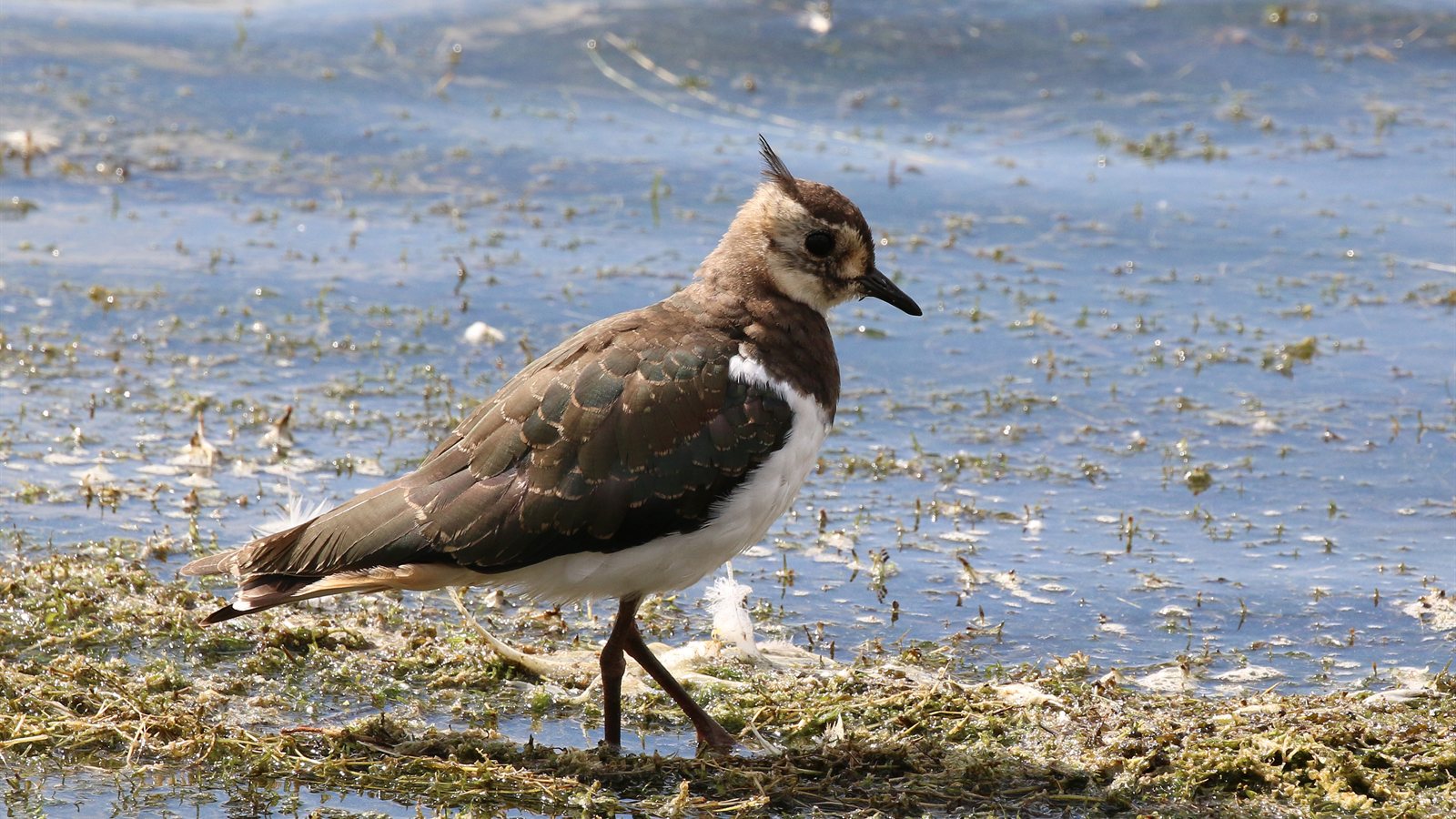
Northern lapwing standing in short wet grass
01

Birds That Are Genuinely There

Wet grassland managed for waders holds birds that most visitors never see elsewhere: displaying lapwing in March, godwit probing the scrapes, snipe drumming at dusk, storks stalking the cut meadows in summer and enormous flocks of golden plover in autumn. Because we control water levels through restored sluices, the shallow scrapes stay wet into June when surrounding land has dried, and the birds stay with them. Sightings are logged daily and published on a board at the entrance and on our weekly list, so visitors know before setting out what is present, where it is feeding and at what time of day.

02

Four Hides, All Properly Built

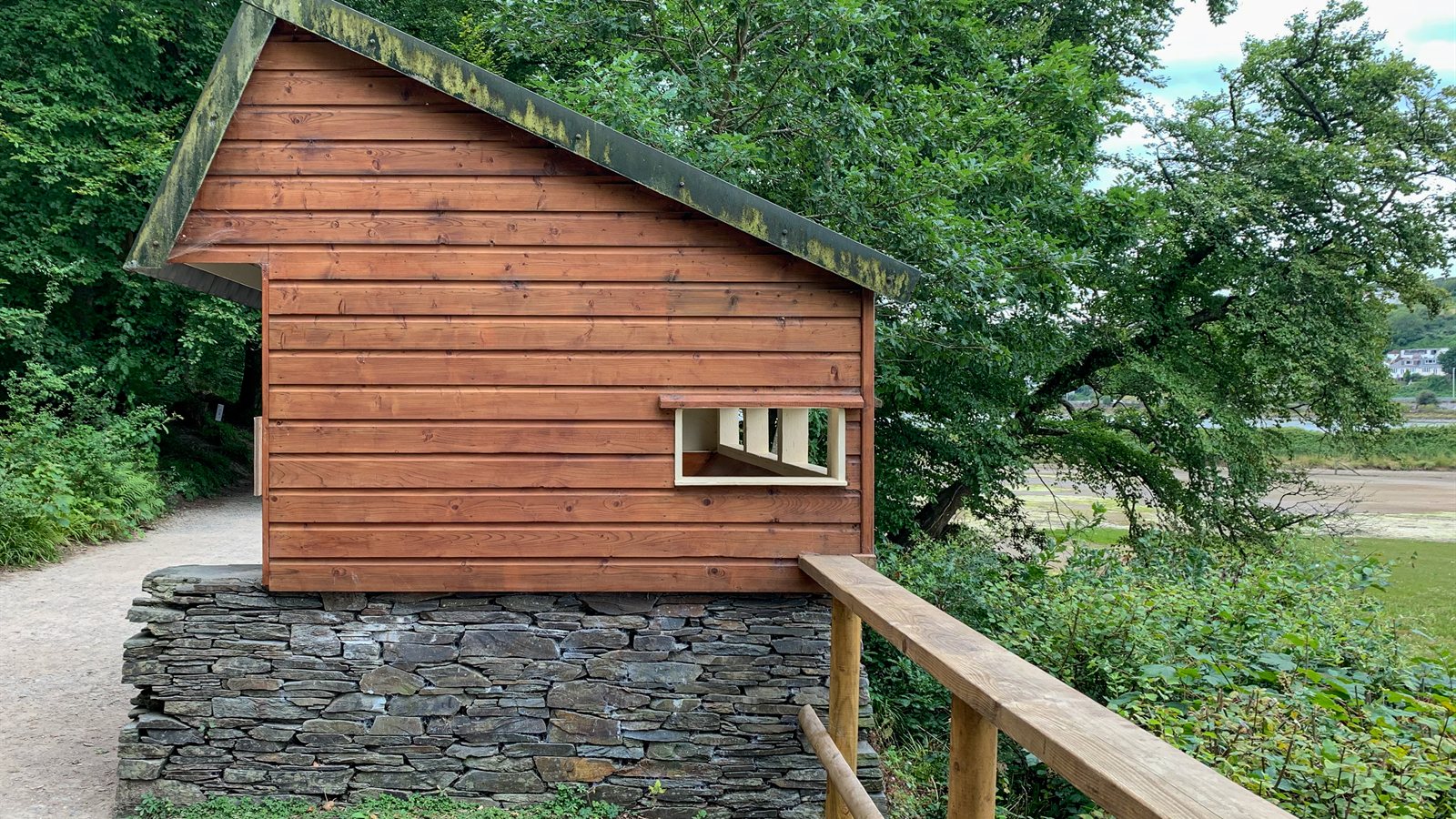
Observation hides are the difference between glimpsing a distant shape and watching a bird behave naturally for twenty minutes. Ours are timber, raised on stilts, fitted with benches, adjustable viewing slots at both seated and standing height, and a wheelchair-accessible bay in two of them. Each has an identification board for the species most likely in that month and a logbook that visitors genuinely use. Approaches are screened with hedge and reed so nobody walks into view of the scrape, doors close quietly, and the hides are cleaned and repaired every week rather than left to rot between seasons.

03

Routes That Follow the Water

A floodplain changes shape every year, so fixed waymarking is close to useless. Each spring, once the water has drawn back, we walk the whole area, re-mark the routes where the ground is firm, close what is not, and reprint the maps with the current lines and expected conditions. Three loops are kept open in all but the highest water, with boardwalk sections over the wettest stretches. The website and the entrance board show the current status of every path, updated after heavy rain, so a visit is never a gamble on whether the route still exists.

04

Guides Who Are Also Surveyors

The people leading walks spend the rest of the week counting nests, checking water levels and ringing birds under licence, which changes what a guided morning feels like. Instead of a rehearsed commentary, visitors get current information: which pair is on eggs, why the godwits moved to the far scrape last week, how grazing pressure affects nest success and what the sluice was set to that morning. Groups stay under ten, loan binoculars and a telescope are provided, and questions from complete beginners are answered as seriously as those from county recorders.

05

Comfort Where It Matters

Wet grassland in early spring is cold, exposed and muddy, and visitors who are uncomfortable stop looking at birds. A heated visitor room at the entrance serves hot drinks and soup, wellington boots are loaned free in every adult and child size, drying space is available for coats, and there are proper toilets rather than a chemical cabin. Benches with backrests are placed along each loop at intervals short enough for older walkers, the two accessible routes are surfaced and level, and a mobility scooter can be borrowed with a day's notice.

06

Access Balanced Against Nesting

Ground-nesting birds fail when people and dogs walk across their fields, so part of the site closes from March to July while the rest stays fully open. The closures are explained on every sign, mapped clearly and enforced politely but consistently; dogs are welcome on two loops on leads and nowhere else. Because the arrangement is honest and visible, compliance is high and breeding numbers have risen for six consecutive seasons. Visitors who want to see the closed areas can join a guided survey walk, where the disturbance is controlled and the birds are watched from a distance that does not push them off nests.

Timber birdwatching hide on a stone base beside a path

Services

What We Offer Visitors

Open access every day of the year, plus guided walks, courses, school programmes and hide bookings for photographers.

Self-Guided Trail Access

Three waymarked loops of two, five and nine kilometres are open daily from dawn to dusk, with boardwalks over the wet sections and four hides along the way. Admission includes a waterproof map, the current week's species list, free loan of wellingtons and binoculars from the visitor room, and access to the heated shelter, toilets and hot drinks. Path status is updated after every spell of heavy rain, and staff at the desk will tell you honestly which loop is worth walking that day and which is currently under thirty centimetres of water.

Guided Birdwatching Mornings

Three-hour walks led by a surveyor, running twice a week through spring and autumn and by arrangement at other times. Groups are capped at ten, telescopes and binoculars are supplied, and the route is chosen on the morning according to where the birds actually are. Sessions cover identification by shape, call and behaviour rather than plumage detail alone, and finish in the visitor room with soup, a summary of everything recorded and a list emailed afterwards. Complete beginners are the most common participants and are never made to feel like an inconvenience.

Photography Hide Bookings

Two hides can be reserved for exclusive use by one or two photographers, with pre-dawn access, low benches at ground level, a fixed bean-bag rest and a screened approach that avoids flushing birds off the scrape. Bookings run for a half or full day and include a briefing on where the light falls at each hour and which species are currently using that pool. Flash is not permitted, and playback of calls is prohibited across the whole site. A hot drink is delivered to the hide mid-morning so that nobody has to break cover.

School and Youth Programmes

Free half-day sessions for local schools and youth groups, matched to the age of the class: pond dipping and minibeast hunts for younger children, water-level measurement, nest-survey methods and food-chain work for older students. Wellingtons, nets, trays, clipboards and identification sheets are provided, teachers receive a preparation pack and risk assessment in advance, and every session ends indoors with hot drinks. Groups from further afield are welcome at a modest charge, and we can visit schools with equipment when a trip is not possible.

Courses and Survey Volunteering

Weekend courses cover wader identification, bird song, wetland plants, sketching in the field and using a telescope properly, taught in small groups with plenty of time outdoors. Volunteers can join breeding surveys, winter counts, boardwalk repair days, scrub clearance and sluice maintenance, with training, tools, boots and lunch supplied. No experience is needed to start, several volunteers who arrived as complete beginners now lead their own counts, and everyone who contributes receives the annual report with their name in it.

Group Visits and Private Guiding

Natural history societies, camera clubs, walking groups and companies can book a private guide for a morning, an afternoon or a full day, with the route, pace and subject matter agreed beforehand. Options include a slow accessible circuit for older members, a dawn chorus start with breakfast afterwards, an evening walk for drumming snipe and barn owls, or a day combining fieldwork with a talk on floodplain restoration. Minibus parking, packed lunches and indoor space for a presentation can all be arranged with the booking.
Contacts

Plan a Visit

Ask us about path conditions before you travel, especially between November and March — we will tell you plainly whether the loops are walkable, what is being seen and whether boots or waders are the right choice.

Bookings for guided walks, hides, courses, school sessions and group visits are all handled by the office below.

Office30 Avenue des Champs-Élysées, 75008 Paris, France
Phone+33 1 53 75 40 12
Visitor RoomOpen daily 08:30–17:00; trails dawn to dusk