T Tidemouth Walks Between river and sea

Tide tables · Sand · Salt marsh

Guided Walks Across the Estuary, From River to Open Sea

Twice a day the water pulls back and a landscape appears that nobody sees from the road: firm sand ribbed by the last tide, channels the width of a street, mussel beds, salt marsh cut by creeks, and thousands of birds working the mud for food. We walk it with guides who know exactly where the ground carries weight and when the water turns. Boots, sticks and binoculars are provided, routes are set from the tide tables rather than the calendar, and every walk ends on high ground with time to spare.

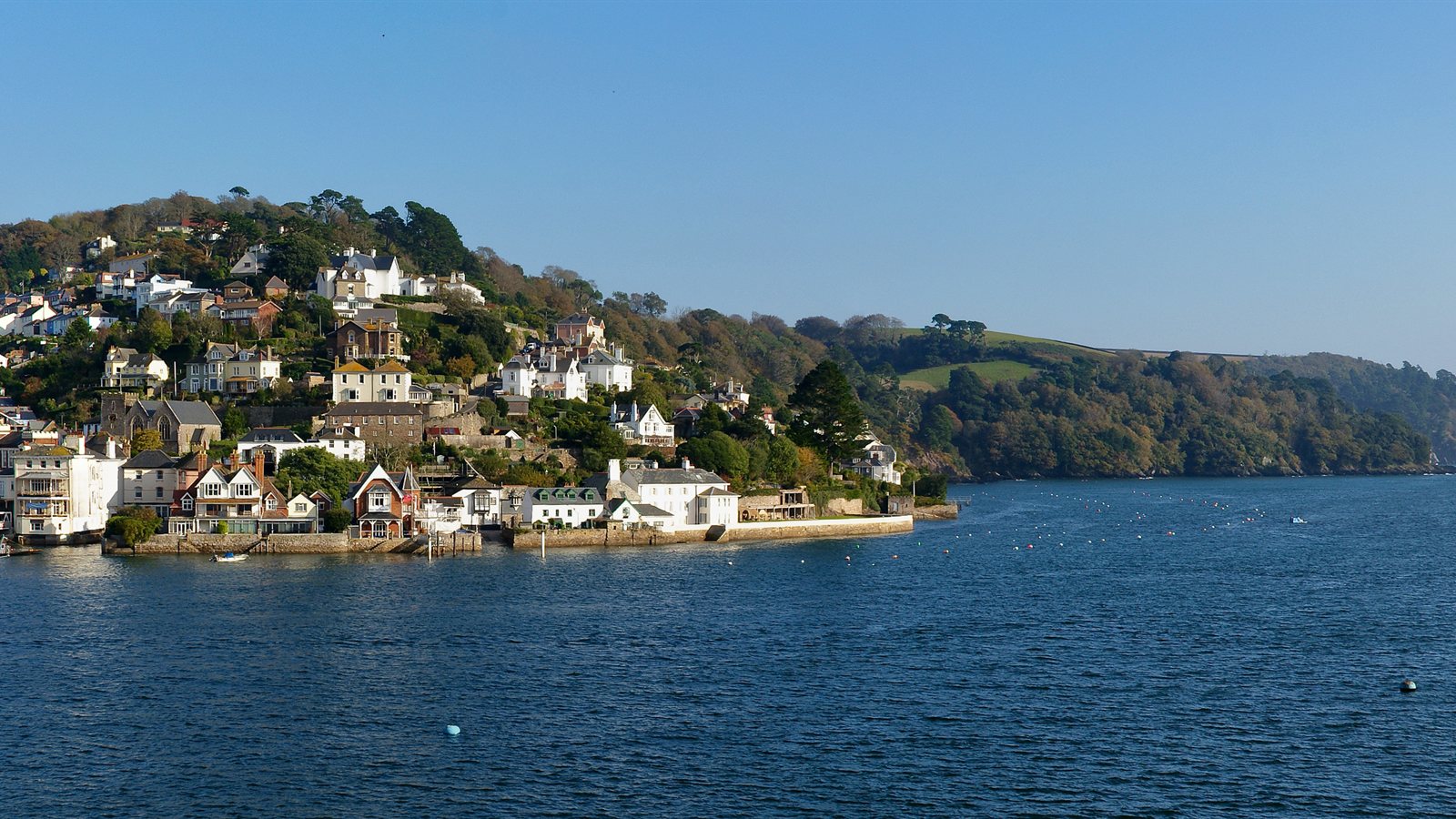
Wide estuary with a hillside village at the river mouth
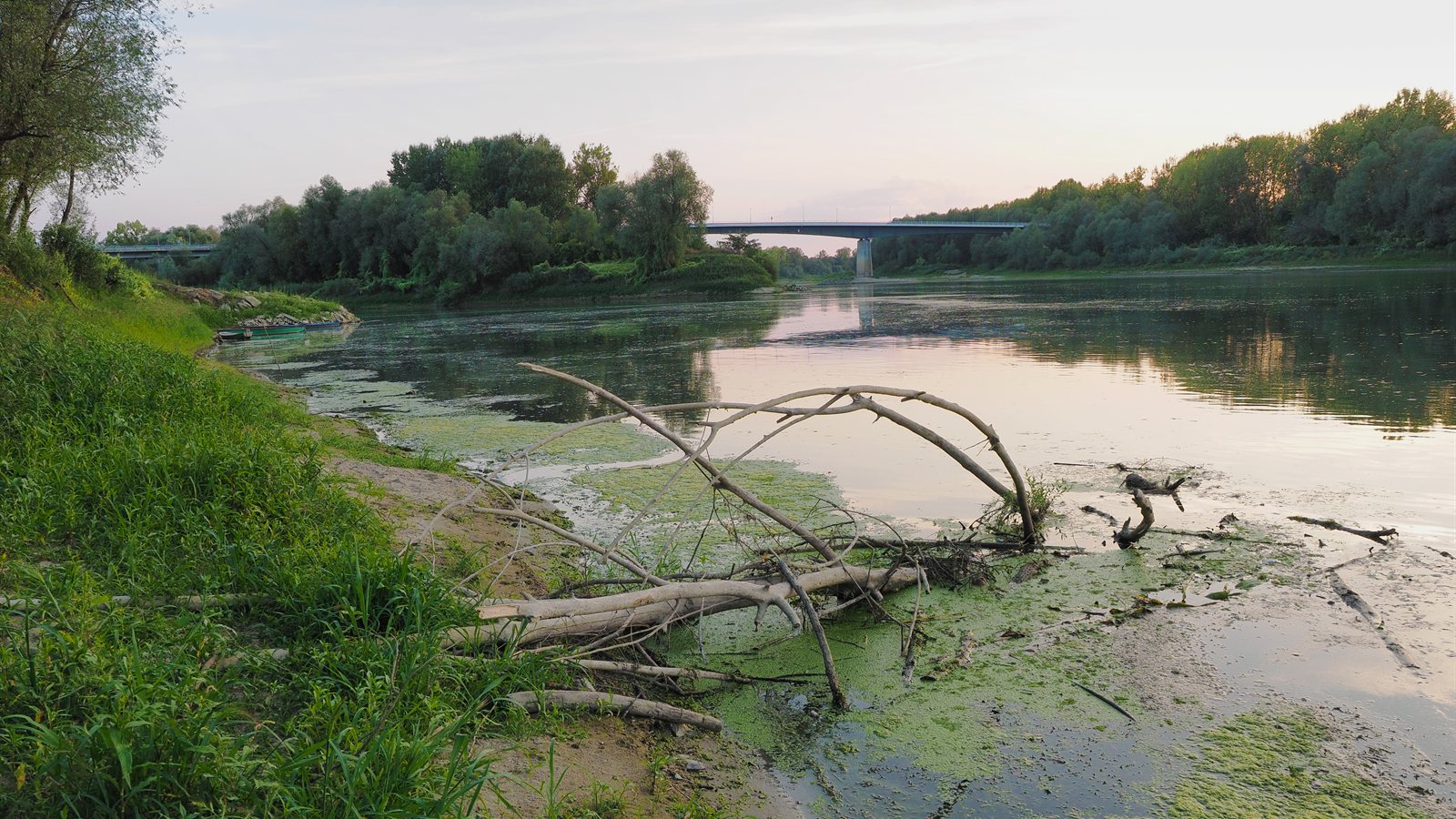
Two rivers joining in a broad wooded confluence seen from above

About us

Guides Who Read the Sand

Crossing an estuary safely is a craft, and it is learned in one way only: by walking the same flats several hundred times, in every state of tide and weather, with someone who has done it longer than you. Our guides trained that way, most of them under a licensed crossing guide who worked these sands for forty years. Between walks they check the channels, note where quicksand has formed after a flood, mark new gullies with poles and update the route cards. Nothing about this landscape stays still, which is why nothing here is guided from memory alone.

The safety framework behind a relaxed morning is deliberately strict. Every walk has a written route, an agreed turn-back time, tide and weather thresholds that cancel it automatically, a second guide at the rear on larger groups, radios, throw lines and a shore contact who knows the expected return. Groups are capped, children must be accompanied, and we count everybody in and out. Guests notice almost none of this; they notice that the guide is never in a hurry and never uncertain.

We also work with the people who study this place. Wader counts, mussel-bed surveys, sediment monitoring and salt-marsh planting all happen with our boats and our staff, and results are published each winter. Visitors on our walks hear what the numbers say rather than a nostalgic story, and part of every ticket funds marsh restoration and the replacement of the marker poles that keep the crossings safe.

Advantages

What Makes These Walks Different

Six things that turn a stretch of mud into one of the most interesting walks on the coast.

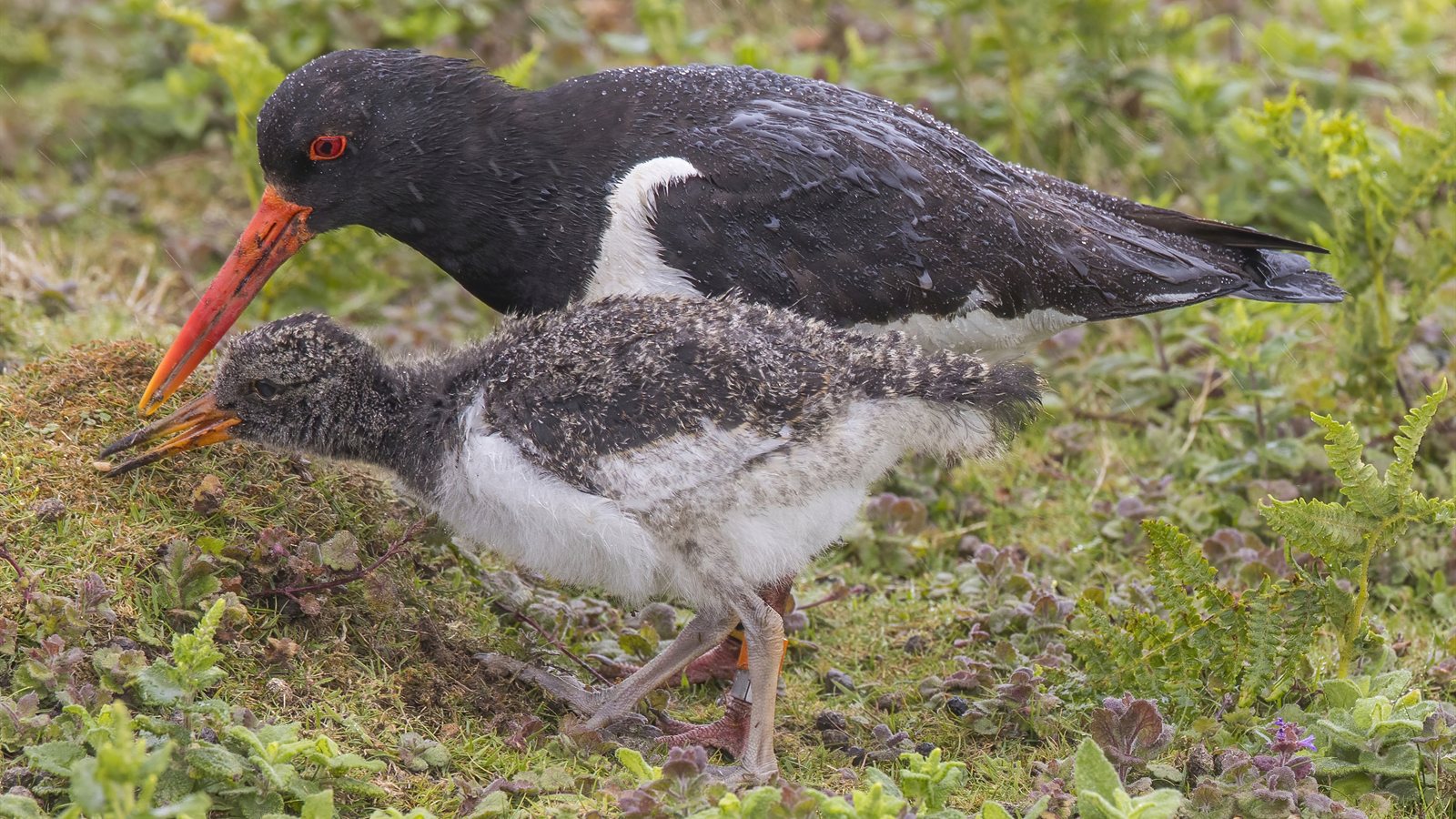
Oystercatcher feeding on the shoreline with a juvenile

Routes Set by the Tide, Not the Diary

Departure times move through the month because the tide does, and we publish them a season ahead so people can plan properly. A walk that should leave at six in the morning leaves at six; one that would be unsafe on a spring tide simply does not run. Each route has a calculated window with an hour of margin built in at both ends, and the guide turns the group back at the agreed time regardless of how good the birdwatching is. Guests get the estuary at its most spectacular — the moment the water begins to return across a mile of flat sand — from a position where watching it is a pleasure rather than a problem.

Ground Knowledge That Cannot Be Improvised

Estuary sand changes after every storm and every high river flow. Soft patches appear where firm ground was last month, channels migrate, and a route that worked in April can be dangerous in June. Our guides walk and probe the crossings weekly, replace the marker poles after gales, and record what they find in a shared log. That is why groups walk in single file behind the guide across certain stretches and spread out freely across others — the difference is known rather than guessed, and the reasons are explained rather than issued as orders.

Birds in Numbers You Can Hear

An estuary in autumn holds tens of thousands of waders, and the sound of a knot flock lifting off the mud is something people remember for years. Walks are routed to reach a high-tide roost at exactly the moment the birds are pushed up onto the marsh, at a distance close enough to see plumage through a telescope and far enough that nothing takes flight because of us. Guides identify by call and behaviour as well as appearance, loan binoculars are carried for anyone without them, and the species list from each walk is emailed afterwards.

Everything You Need Is Supplied

Nobody needs to buy equipment to join a walk. We provide wellingtons and neoprene socks in every adult and child size, waterproof jackets and over-trousers, walking poles, dry bags, binoculars and a telescope, plus hot drinks and something to eat at the turning point. Bare feet are genuinely the best option on warm days and we encourage it. A changing tent and hot water for rinsing sand off legs and boots wait at the finish, along with a shed where wet gear can be left rather than carried home in a car boot.

Small Groups, Proper Pace

Public walks are capped at fifteen with two guides, which is small enough that everyone can hear the commentary and nobody is strung out over half a mile. The pace is set to the slowest walker and rest stops are frequent, because the distances look deceptively easy on flat ground and soft sand is tiring. Families with children from six years old are welcome on the shorter routes, and we run dedicated slow walks for older participants and anyone returning to activity after illness, with a shorter distance and firmer ground throughout.

A Place Left Better Than Found

Estuaries take the waste of an entire catchment, so every walk carries a bag and most return with it full. Beyond that, we plant salt marsh with a coastal trust each spring, monitor mussel beds, take part in wader counts, and keep groups well clear of roosting and nesting areas during the sensitive months. Dogs are not permitted on any walk, which loses us bookings and protects the birds. What we spend, count and plant is published in a short annual report available to anyone who asks for it.

Services

Walks, Crossings and Courses

From a two-hour introduction on the near sands to a full traverse of the estuary with a boat waiting on the far side.

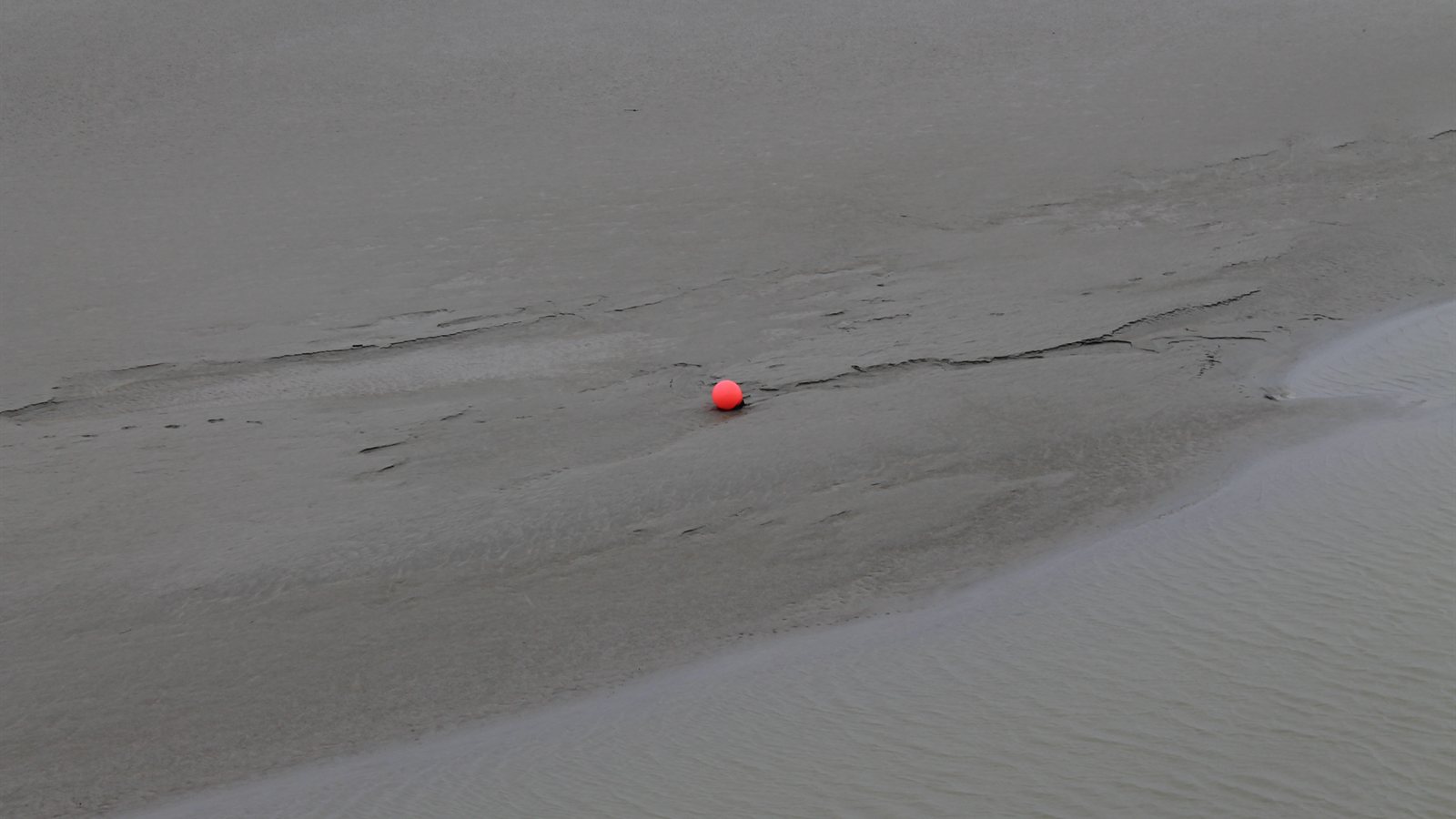
Ribbed tidal sand flat with a single red marker buoy

Introductory Sand Walks

A two-hour circuit on the nearest flats, never more than twenty minutes from firm shore, designed for first-time visitors and families. The guide explains how the estuary works, what lives under the surface, how to read ripples and channels, and why the sand behaves as it does. Groups dig for lugworm and cockles, watch waders at close range and finish with hot drinks. Boots, waterproofs and binoculars are included, the route is suitable for children from six, and the whole walk is timed to end two hours before the tide reaches the flats.

Full Estuary Crossings

The classic route: a guided traverse from one shore to the other across open sand and two wadeable channels, taking four to five hours with stops. It is not technically difficult but it is long, wet to the knee and completely exposed, so places are limited and a short fitness questionnaire is part of the booking. Two guides accompany every crossing, poles mark the channels, and transport back to the starting point is included. Crossings run only on suitable tides and are announced season by season, usually filling within days of publication.

High-Tide Bird Walks

Shorter walks along the marsh edge timed for the hour either side of high water, when waders are pushed off the mud into dense roosts. A naturalist leads, telescopes are set up at two viewing points, and identification is taught from shape, call and flight pattern rather than field-guide plumage alone. Autumn and winter dates see the largest numbers, spring brings display flights and summer plumage. Counts from each walk are submitted to the national wetland survey, and participants receive the totals with their species list afterwards.

Foraging and Shellfish Walks

Seasonal walks focused on what the estuary produces: cockles, mussels, samphire, sea aster, laver and sea beet, gathered under current local rules with a licensed guide who explains quantities, closed areas and water-quality warnings honestly. The walk finishes at a shore kitchen where the day's gathering is cooked and eaten with bread and cider. Participants take home a printed guide to safe collection and preparation. These walks run only when official water testing permits harvesting, and we cancel rather than compromise on that.

Private Guiding and Groups

Walking clubs, natural history societies, photographers, schools and companies can book a guide for a private walk at a tide of their choosing, with route, length and subject agreed in advance. We regularly guide painting groups to the marsh edge, geology students across the channels, and corporate teams on a slow crossing followed by a meal. Minibus parking, changing facilities, packed lunches and indoor space for a talk can all be arranged, and risk assessments are supplied for institutional bookings as standard.

Courses and Survey Days

Weekend courses cover tidal navigation and safety, wader identification, coastal photography in flat light, and estuary ecology from plankton to seals. Volunteers can join monthly wader counts, salt-marsh planting, marker-pole maintenance and litter surveys, with training and equipment provided. Several of our current guides began as volunteers on these days. Course places are limited to eight, run in most months outside midwinter, and include all equipment plus a meal at the shore kitchen at the end of the day.
Contacts

Tide Times and Bookings

Tell us which week you are here and we will send the walks that fall on workable tides, with departure times, distances and how wet you are likely to get. Never plan a crossing from a published tide table alone — ask us, and we will tell you whether that particular tide is suitable.

Private guiding, courses, school visits and volunteer days are arranged through the same office.

Office8 Quai de l'Hôtel de Ville, 75004 Paris, France
Phone+33 1 48 87 24 63
Season & HoursMarch–November; office daily 08:00–18:00