R Reedwater Expeditions Wetland Navigation
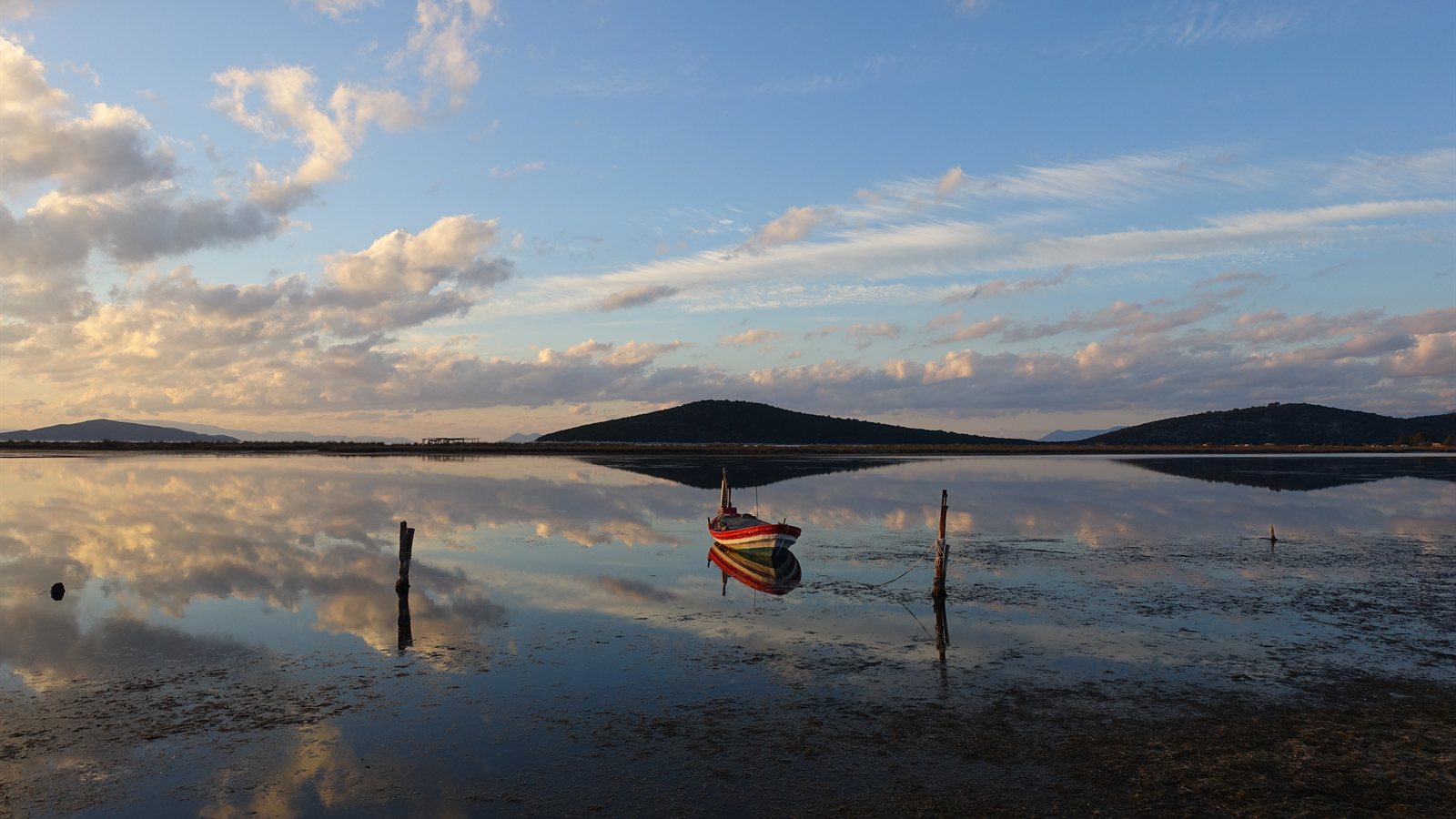
Wooden boat moored on mirror-still delta water at sunset

Slow water · Wild edges · Quiet engines

Guided Excursions Through Flooded Deltas and Hidden River Channels

We guide small groups deep into living deltas, flooded willow forests and narrow reed channels aboard low-impact boats crewed by working naturalists. Silent electric motors, unhurried navigation and carefully timed departures turn every trip into close, respectful observation of herons, otters, kingfishers, shifting sandbanks and drowned meadows. Journeys run from first light until late dusk and include wildlife briefings, photography stops, waterproof kits, hand-drawn channel charts and warm regional refreshments served on board. Routes adapt daily to water levels, wind and nesting activity, so each departure stays safe, comfortable and genuinely wild.

8 paxmaximum group size per boat
14 hrsdaily departure window, dawn to dusk
0 wakeelectric craft protecting nesting banks

Who navigates with you

Our Story on the Water

The company grew out of a long-running wetland survey project, when a handful of field biologists, boat builders and river pilots realised that visitors understood conservation far better after a single quiet morning among the reeds than after any lecture. What began as informal outings for volunteers evolved into a structured programme of ecological excursions across braided deltas, oxbow lakes, tidal creeks and seasonally flooded woodland. Every itinerary is still drawn by people who count nests, measure water levels and know exactly which channel opens after heavy rain and which one silts up by midsummer.

Our fleet is deliberately modest: shallow-draft electric skiffs, traditional flat-bottomed punts and a pair of covered launches for cooler months, each maintained to strict safety standards and fitted with quiet propulsion that leaves no wake against fragile banks. Guides hold first-aid certification, inland skipper licences and species identification training, and they carry hydrophones, spotting scopes and field libraries so curiosity can be answered on the spot rather than deferred.

Beyond guiding, we monitor breeding colonies, log invasive plant spread, support local fishing families and run seasonal clean-up runs through blocked side channels. Guests are welcome to join that work, and a fixed share of every ticket funds reed-bed restoration, marker buoys for sensitive zones and educational days for nearby schools, keeping the waterways healthy for the wildlife and the communities that depend on them.

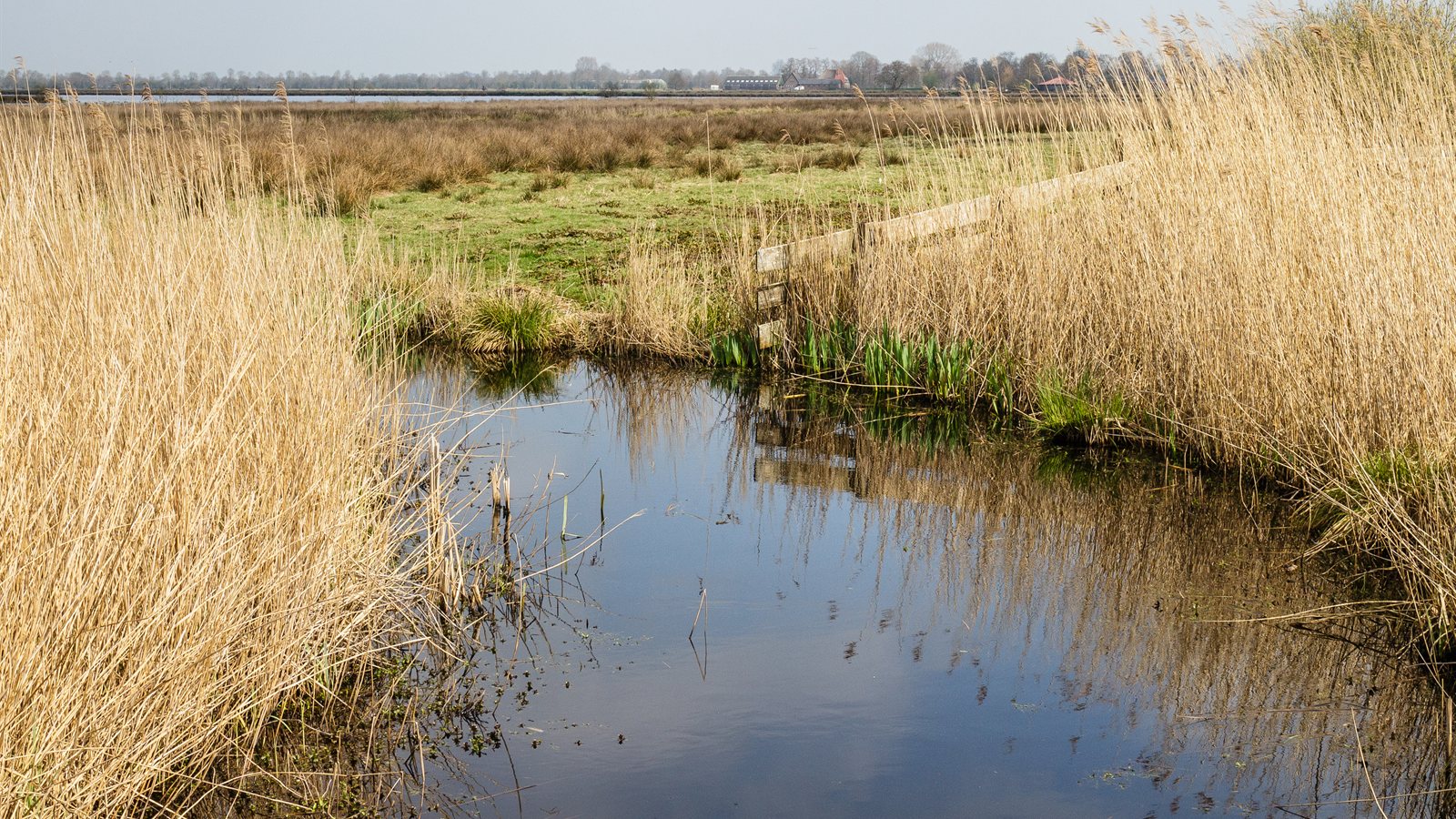
Narrow water channel winding between tall golden reed beds

Field-trained crews, hand-drawn charts, seasonal routing.

Why travellers choose us

Advantages of Travelling With Our Crews

Six commitments that shape every excursion, from the moment a route is drawn to the last log entry filed after return.

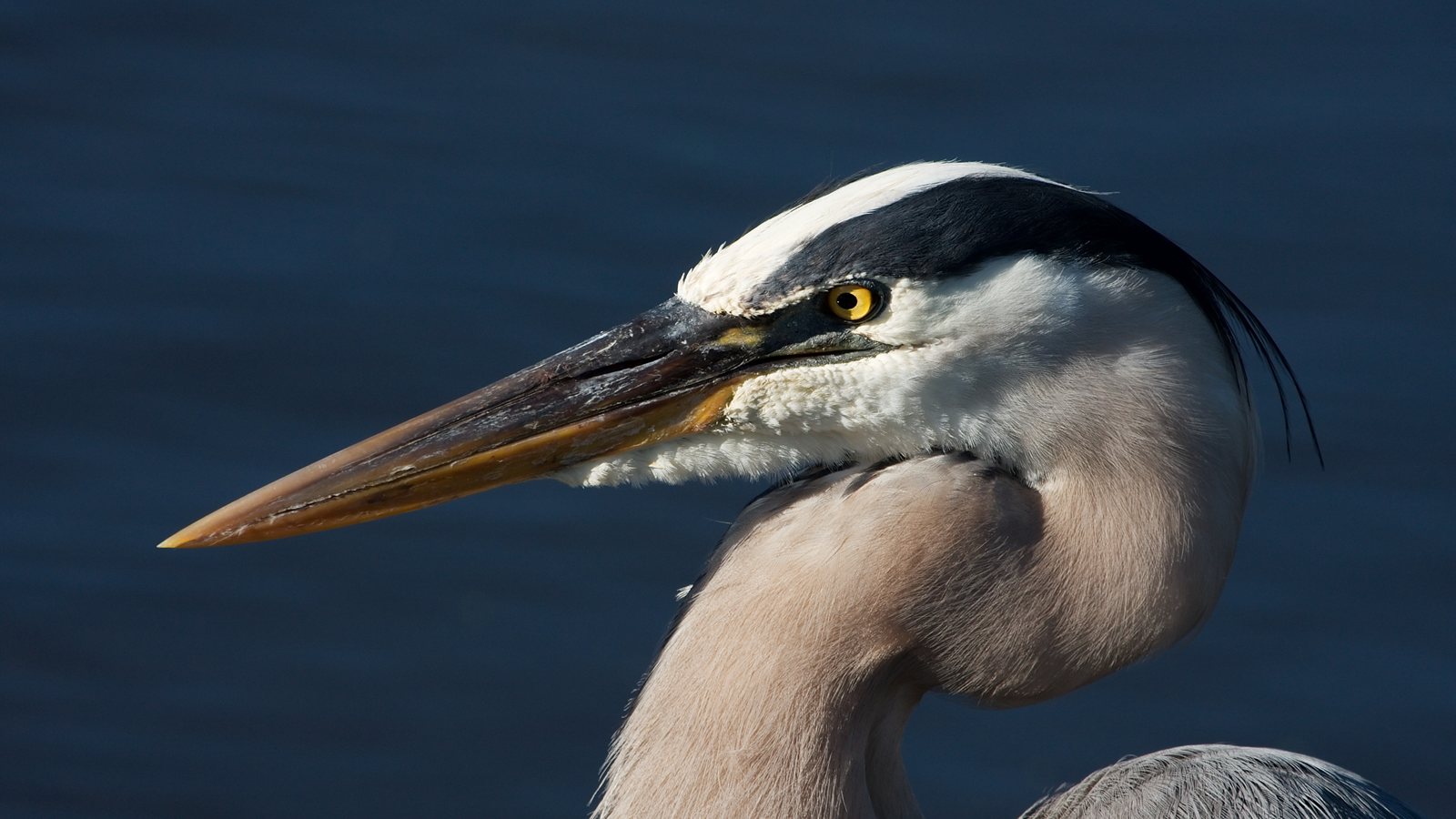
Close-up of a heron watching the water surface

01 · Naturalist Crews With Genuine Field Experience

Every boat is crewed by guides who spend the off-season surveying the same waters they show visitors, counting nesting pairs, mapping channel depth and recording seasonal plant succession. That background changes the quality of a trip entirely: instead of generic commentary, guests receive precise explanations of why a particular bank holds otters, how flood pulses rebuild sandbars, and which calls belong to which species overhead. Guides carry spotting scopes, hydrophones for underwater sound, laminated identification sheets and field notebooks, and they encourage questions throughout rather than reciting a fixed script. Groups stay small enough that everyone hears the answers, sees through the scope and has room to photograph without crowding the rail.

02 · Silent, Low-Impact Craft

Our shallow-draft skiffs and punts run on electric propulsion or pole power, producing no exhaust, almost no noise and virtually no wake against soft eroding banks. That matters ecologically, because wash from fast hulls collapses nesting burrows and stirs sediment across spawning grounds, and it matters experientially, because silence is what lets a group drift within metres of feeding waders without disturbing them. Batteries are charged from a solar-supported shore station, hulls are cleaned to prevent transfer of invasive species between catchments, and each craft is depth-limited to protect submerged vegetation. Guests notice the difference immediately: conversation stays soft, birds stay put, and the water itself becomes the loudest sound aboard.

03 · Routes Redrawn With the Season

Deltas are never the same waterway twice. Spring floods open side channels that vanish by August, autumn storms cut new mouths through sandbars, and breeding colonies shift year to year. Rather than repeating one fixed circuit, our planners review gauge readings, wind forecasts and colony reports before each departure and select the route that offers the best wildlife activity while avoiding sensitive zones during nesting. Guests receive their confirmed itinerary the evening before with tide or level notes, expected species and clothing advice. When conditions change overnight, an alternative is prepared and explained rather than silently substituted, so nobody boards without knowing exactly where the day will lead.

04 · Safety Handled Quietly and Thoroughly

Working in shifting shallow water demands preparation that guests should never have to think about. All craft carry buoyancy aids sized for adults and children, marine radios, satellite messengers, throw lines, bilge equipment and comprehensive first-aid kits, and every skipper holds current inland navigation and rescue certification. Departure decisions follow written weather thresholds rather than optimism, and a shore coordinator tracks each boat's position for the whole trip. Briefings before boarding are short, clear and free of alarmism, covering movement on deck, boarding procedure and what happens in the unlikely event of grounding. The result is a relaxed atmosphere built on genuine preparation instead of reassurance alone.

05 · Comfort Designed for Long Days Outdoors

A full day on open water can be demanding, so every departure includes practical comfort as standard: cushioned seating with backrests, shade canopies in summer, insulated covers and blankets in colder months, dry bags for cameras and phones, binoculars for anyone who arrives without them, and a shaded rest stop on firm ground midway through longer routes. Refreshments feature regional bread, preserves, fruit and hot drinks prepared by nearby producers, with vegetarian, vegan and allergy-conscious options arranged in advance. Boarding platforms are stable and low, and crews assist guests with reduced mobility so that the waterway remains accessible to families, older travellers and photographers with heavy equipment alike.

06 · Conservation Funded by Every Ticket

Visiting a wetland should leave it stronger. A fixed portion of every booking supports reed-bed replanting, removal of drifting plastic from blocked side channels, installation of marker buoys around nesting islands and paid field days for students from nearby schools. We publish an annual summary of hours worked, waste recovered and habitat restored, and we invite guests to join volunteer runs during quieter months. Partnerships with local fishing families, ringing stations and river authorities keep the work grounded in real needs rather than symbolic gestures, and guests leave with a clear understanding of how the landscape they enjoyed is maintained through the rest of the year.
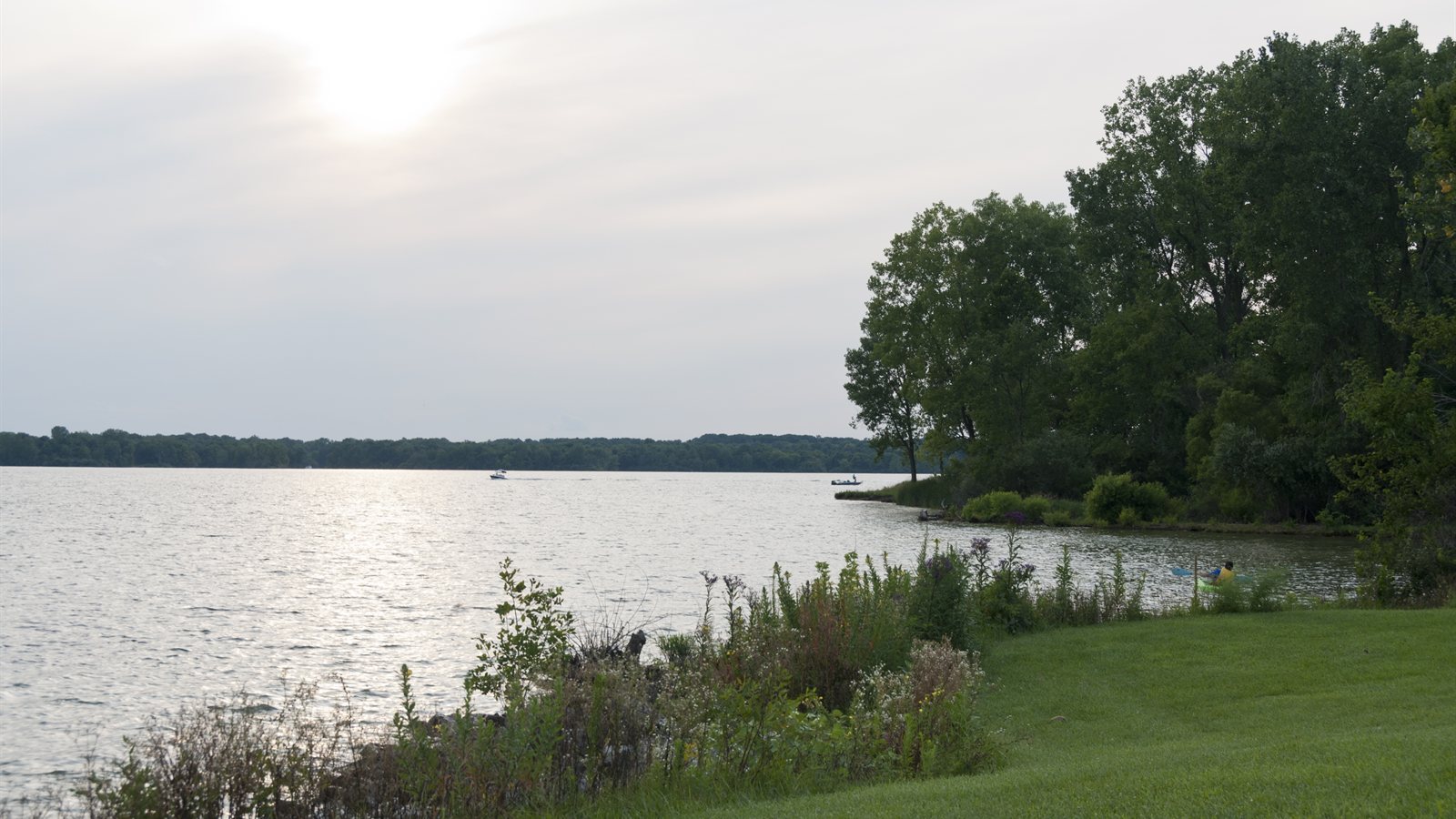
Calm backwater at dusk with a wooded bank and low sun

What we operate

Our Services on the Delta

From short discovery loops to multi-day expedition programmes, chartered research support and educational days for groups.

Half-Day Channel Discovery Trips

The core of our programme is a four-hour guided run through braided channels, flooded meadows and quiet backwaters, timed for early morning or late afternoon when wildlife is most active. Groups of no more than eight travel by electric skiff with a naturalist aboard, stopping at observation points, drifting silently beside feeding herons and stepping ashore where firm ground allows. The trip includes binoculars, waterproof outerwear, a channel chart, seasonal species notes and refreshments prepared by regional producers. It suits first-time visitors, families with children over six and photographers who want unhurried light without committing to a full expedition day.

Full-Day and Multi-Day Expeditions

Longer journeys reach the outer reaches of the delta, where channels widen into shallow lagoons and sand islands appear and disappear with the season. Full-day trips combine navigation with shore walks, picnic stops on stable banks and extended observation periods at colony sites. Multi-day programmes add overnight stays in simple riverside lodges or fixed tented camps, night listening sessions for amphibians and owls, and dawn departures before other traffic appears. Luggage transfer, all meals, permits for restricted zones and a detailed daily briefing are arranged by our coordinators, leaving guests free to concentrate entirely on the landscape around them.

Wildlife Photography Departures

Dedicated photography runs use low-profile craft with stabilised bean-bag rests, silent approach techniques and departure times aligned with the softest light of the day. Groups are capped at four so that everyone holds a clear firing line, and skippers position the boat according to sun angle and wind drift rather than schedule. Guides advise on species behaviour, likely flight paths and ethical distance, and floating hides can be positioned near feeding areas on request. Charging facilities, dry storage, lens cloths and spare rain covers are provided aboard, and an optional evening review session helps participants edit and caption their strongest frames.

Private Charters and Group Events

Entire boats can be reserved for families, small companies, clubs and celebrations, with routes and pacing built around the group rather than a public timetable. Charters may combine a gentle wetland circuit with a catered meal ashore, a guided birdwatching focus, an introduction to traditional punting, or a quiet sunset run with regional refreshments served on deck. We handle transfers from the city, accessible boarding arrangements, dietary requirements and bilingual guiding, and we can provide a short introductory talk on delta ecology for corporate programmes that want substance alongside hospitality.

Education and Field-Study Programmes

Schools, universities and nature clubs work with us on structured field days covering hydrology, wetland succession, migratory routes and water-quality sampling. Sessions pair boat time with practical exercises: reading a channel chart, taking turbidity and temperature readings, identifying macroinvertebrates and recording bird counts on standard forms. Materials are prepared to match the age group and curriculum, and teachers receive a preparation pack beforehand plus a summary of collected data afterwards. Risk assessments, insurance documentation and accessible boarding are arranged in advance so that organisers can focus on the learning rather than the logistics.

Research Support and Conservation Days

Our crews provide logistical support to ecologists, ringing teams, film units and river authorities that need reliable shallow-water access, equipment transport and local navigation knowledge. Services include timed drop-offs at survey points, hide installation, sample transport under agreed handling conditions and skipper assistance during night operations. Alongside contracted work, we run open conservation days when volunteers join reed replanting, litter recovery from silted channels and maintenance of nesting platforms. Participants receive training, tools and refreshments, and results from each session feed into the annual habitat report we publish for partners and guests.

Reach the crew

Contacts and Reservations

Our booking office answers questions about departure times, water conditions, accessibility, group sizes and seasonal wildlife before any payment is requested. Tell us who is travelling and what you hope to see, and a coordinator will suggest the route and time of day that fits best.

Office

15 Rue de la Paix, 75002 Paris, France

Phone

+33 1 42 61 20 15

Booking Hours

Monday–Saturday, 08:00–19:00 local time