TW Tidewind Academy

Wind against tide · Real water

Kite and Windsurf Schools Where the Current Actually Runs

We teach on stretches that most schools avoid: channel mouths, tidal races and headland passages where the water moves under you and the wind meets it head on. Handled properly this is the fastest place to learn, because a moving surface teaches board control and positioning far quicker than flat, dead water. Every lesson is planned around the tide table, instructors talk to students through radio helmets, a rescue boat sits downwind of the group, and nobody is put on the water in conditions above their level. Equipment, wetsuits and insurance are included in every course.

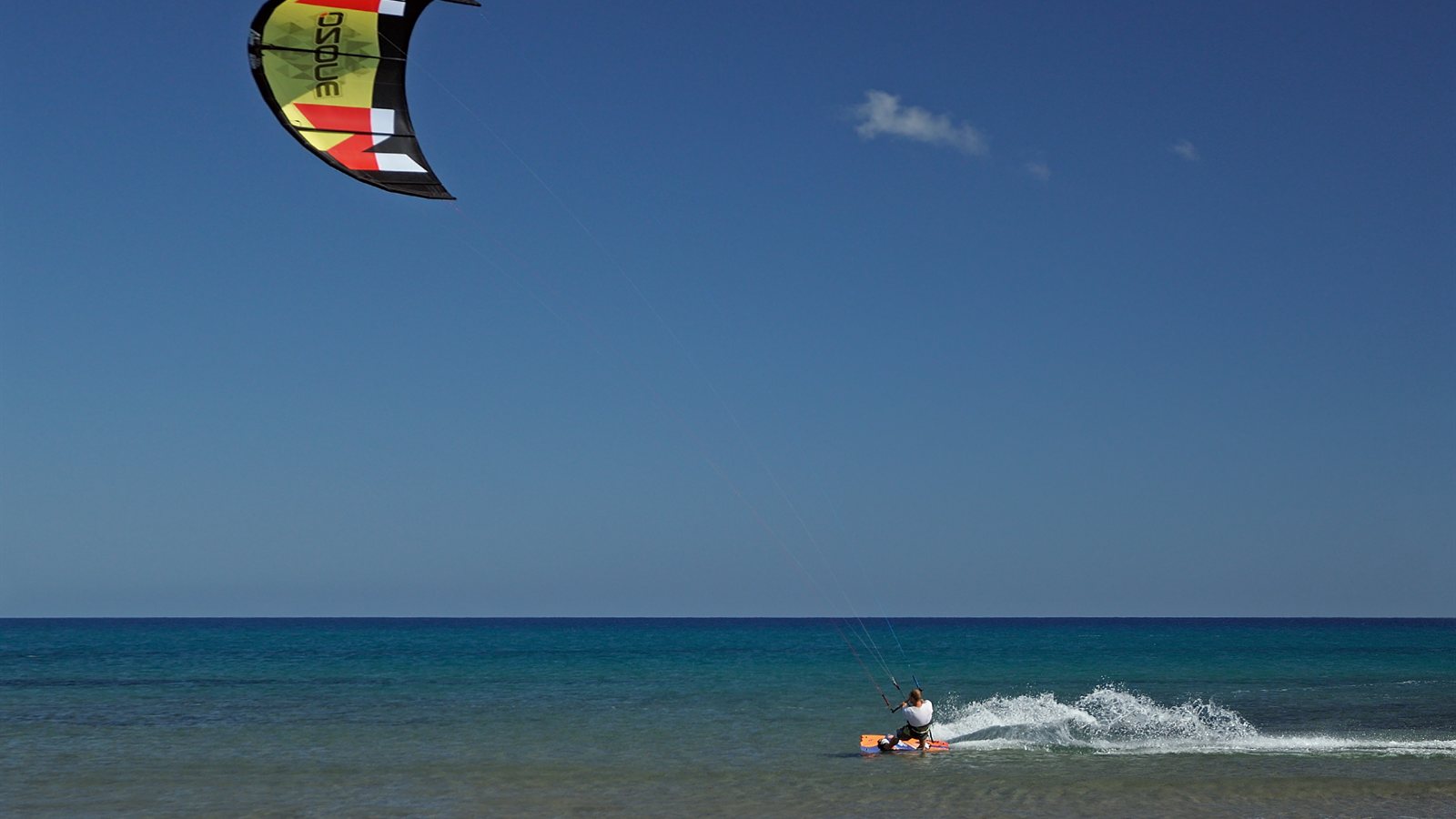
Kitesurfer riding across flat blue water under a bright kite
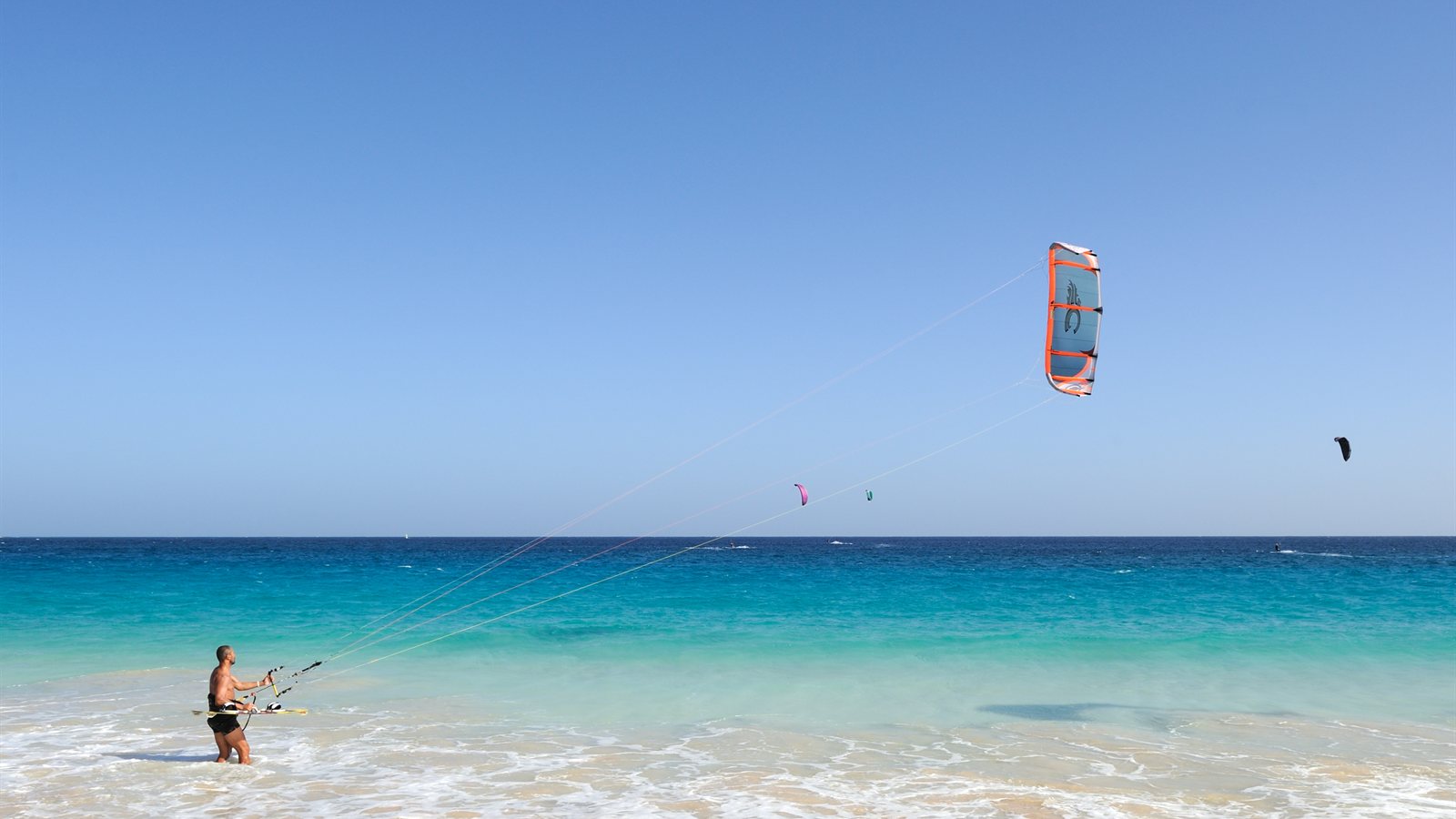
Beginner controlling a kite from waist-deep turquoise shallows

About us

Instructors Who Learned Here the Hard Way

The school was founded by two instructors who had been teaching on lagoons and were tired of watching students leave with a certificate and no ability to handle real water. Moving current, they argued, is not a hazard to be avoided but the thing that makes a rider competent: it forces early attention to upwind positioning, body drag, water starts against resistance and reading the surface. The problem was never the current itself — it was schools teaching in it without the safety structure it demands.

So the structure came first. Every session is planned from the tide tables and the wind forecast together, because wind against tide builds steep water very quickly and wind with tide flattens it. Students are placed in the part of the stretch that matches their level, radio helmets keep an instructor's voice in the ear from the first minute, and a powered rescue boat is always positioned downwind and down-current of the group. Ratios never exceed two students per instructor in the water.

Everything else follows from that: modern kites and rigs replaced every two seasons, wetsuits in every size cleaned and checked daily, an equipment workshop on site, and instructors certified by recognised bodies who re-qualify each year. We also run the local safety brief for visiting riders, mark the channel hazards with the harbour office and help with the annual clean-up of the beach and the launch areas.

Advantages

Why Learning Here Is Faster

Six things that make current an advantage rather than a reason to stay on the lagoon.

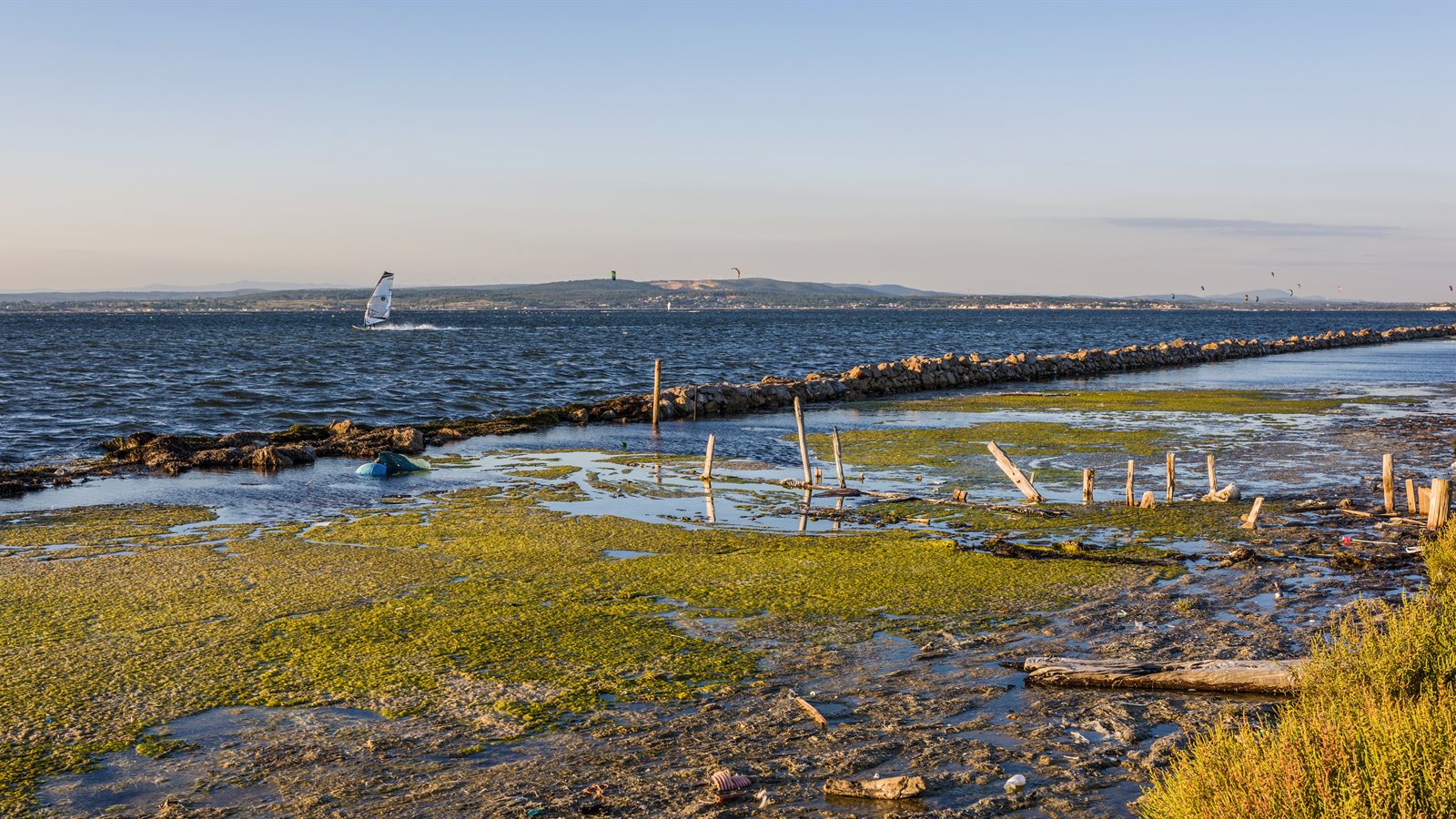
Windsurfer crossing a shallow lagoon in evening light

Skills That Transfer Anywhere

A student who learns to stay upwind against a two-knot current has already solved the problem that stops most riders progressing after their first holiday course. Positioning, edge pressure, body drag and water starts all have to be done properly here, because sloppy technique is immediately punished by drifting downstream. The result is that our graduates go to lagoons, lakes and open coast and find them easy, rather than the reverse. Instructors teach the theory of tide, drift angle and safe launch positions from the first lesson, so students understand why a spot works rather than simply copying what they were shown.

Every Lesson Planned on the Tide

Lesson times move through the month because the water does. We publish a schedule that follows the tide tables, teach beginners on the slack either side of high water when the current is weakest, and reserve the running tide for intermediates who need the resistance. When wind opposes tide and the water stands up into short steep chop, beginner sessions are moved to the sheltered bay rather than cancelled. Students are told in advance exactly what the conditions will be, and that forecast is right far more often than not because it is made by people who ride here daily.

Radio Helmets From Minute One

Shouting across fifty metres of moving water does not teach anybody anything. Every student wears a helmet with a receiver, and the instructor's corrections arrive quietly and immediately: shift your weight, look upwind, sheet in, stop and body drag back. Progress is dramatically faster because the feedback lands while the mistake is still happening rather than five minutes later on the beach. It also means an instructor can hold two students safely instead of one, keep them both in view, and give clear, calm instructions if a rider drifts towards the channel.

Rescue Cover That Is Always in Position

A rescue boat sitting on the beach is decoration. Ours is on the water for the entire session, positioned downwind and down-current of the group, crewed by a driver with a powerboat qualification and current first-aid training. It carries spare lines, a knife, a radio, tow gear and warm layers, and it collects tired riders long before they become a problem. Launch and landing areas are marked, the school holds a direct radio link with the harbour office, and every session is logged with the number of people on the water and their expected return.

Equipment You Would Buy Yourself

Kites, boards, rigs and harnesses are replaced every second season and serviced continuously in the on-site workshop: lines checked and re-measured, bladders and valves tested, footstraps replaced, sails repaired the same day. Wetsuits are graded by thickness for the water temperature, rinsed in fresh water and dried properly after every session rather than hung wet in a pile. Sizes run from child to extra-large. Students who buy their own gear later get an honest opinion about what suits them, and we do not sell equipment, so that opinion costs us nothing to give.

Small Groups and Honest Progression

Two students per instructor in the water, four in the theory sessions, and a written record of each student's progress against the syllabus. If somebody is not ready for the next stage, we say so and repeat the session rather than issuing a card to keep the schedule tidy. Equally, a student who progresses quickly is moved forward rather than held to the timetable of the course they paid for. Every graduate leaves with a realistic statement of what they can do independently, which conditions they should avoid and what to practise next.

Wide sandy beach with wind sheltering wicker chairs

Services

Courses, Coaching and Hire

From a first afternoon on a trainer kite to advanced coaching in a running tidal race.

Beginner Kite Courses

Three sessions of three hours covering wind window theory, trainer kite handling on the beach, safety systems and self-rescue, water relaunch, body dragging upwind and the first water starts. Taught two students to one instructor, with radio helmets, harnesses, wetsuits, buoyancy aids and kites included. Sessions are scheduled around the slack water either side of high tide, and the course can be spread over consecutive days or several weekends. Graduates receive an internationally recognised level card plus a written note of what to practise next.

Windsurf Courses and Rig Clinics

Beginner courses use wide stable boards and small rigs in the sheltered bay, moving to the main stretch as soon as balance and steering are reliable. Improver clinics cover harness use, footstraps, planing, beach starts, water starts and gybing, with video review after each session. Rig clinics look at sail selection, downhaul and outhaul tuning, boom height and mast base position — the details that turn a fight into a glide. All boards, rigs, wetsuits and buoyancy aids are provided and matched to the student's weight and the day's wind.

Private and Advanced Coaching

One-to-one sessions for riders who have plateaued, booked by the hour with video analysis and a written plan afterwards. Topics include riding upwind efficiently, transitions, jumping and landing, wave riding, foiling and handling the tidal race safely at full flow. Coaches also run pre-season refreshers for riders returning after winter and technique sessions for those preparing to travel somewhere more demanding. Equipment can be yours or ours, and sessions are timed to catch the exact conditions the skill being taught requires.

Equipment Hire and Storage

Independent riders can hire kites, boards, rigs, harnesses, wetsuits and impact vests by the hour, day or week, subject to a short check of qualifications and recent experience. Hire includes a spot briefing covering current, hazards, launch areas and the day's forecast, plus rescue cover during opening hours. Season-long storage for private equipment is available in a locked, ventilated container with a rinse hose, drying rails and a repair bench, and the workshop handles line replacement, sail stitching and bladder repairs at short notice.

Camps, Groups and Schools

Week-long camps combine daily sessions with theory, video review, equipment workshops, a swim-safety module and evening meals together, with accommodation arranged nearby. We run dedicated youth camps for ages twelve and up with a higher instructor ratio, sessions for schools and clubs, and corporate days that combine an introduction on the water with a talk on risk assessment and decision-making. Groups are quoted a fixed price that includes all equipment, insurance and transfers from the town.

Safety Services and Events

Our boats and crews provide water safety for open-water swims, regattas, film shoots and local competitions, with radios, first-aid cover and an agreed incident plan. We also deliver the visiting-rider briefing for this coast, publish a hazard chart of the channel and the race, run free self-rescue refresher evenings through the season, and take part in the beach clean and dune fence repair each spring. Clubs organising an event here can borrow marks, radios and a briefing template at no cost.
Contacts

Booking and Conditions

Tell us your level, your dates and what you want to achieve, and we will tell you which tides in that week are workable, how many sessions you realistically need and whether a different week would suit better.

Hire, storage, camps, group bookings and event safety cover are arranged through the same office.

Office

9 Place des Vosges, 75003 Paris, France

Phone

+33 1 48 04 62 19

Season

April–October, daily 08:00–19:00