Alderbrook Retreats Cabins · Yurts · Streamside camps
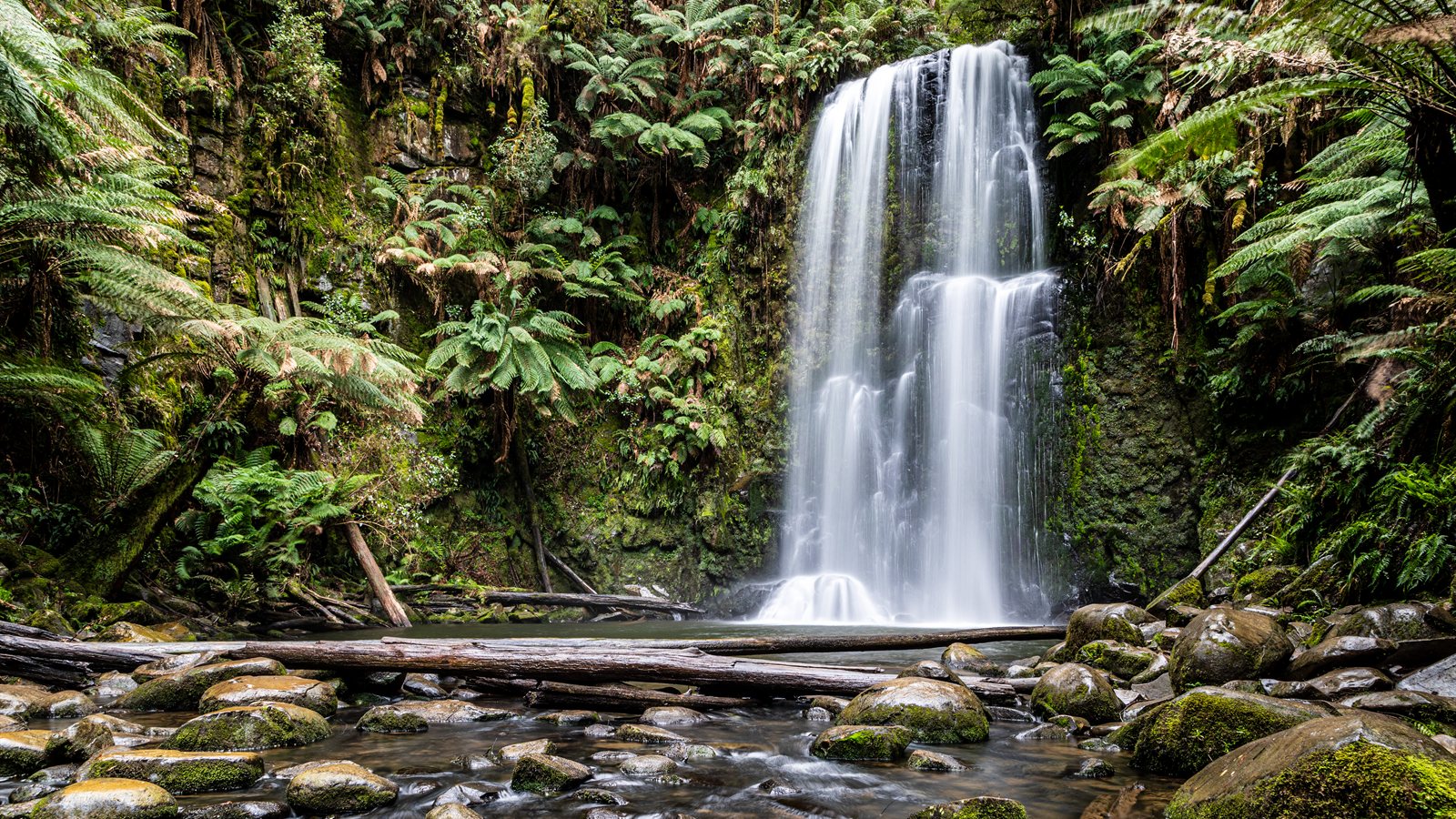
Waterfall falling into a mossy stream in dense fern forest

Running water · Woodsmoke · No traffic noise

Cabins and Glamping Beside Forest Streams

Our shelters stand within earshot of running water: timber cabins on stone footings, canvas yurts with wood stoves, and raised safari tents tucked into clearings where a brook turns under alders. Each site has a fire pit, a hot outdoor shower, a proper bed, a small kitchen and a deck facing the water, with paths leading to swimming pools in the rock and quiet places to sit. Firewood, bedding, lanterns and a stocked basket of local bread, cheese and coffee are waiting on arrival, so guests can leave the car and not touch it again until departure.

About us

Twelve Clearings and a Long Lease on Quiet

The retreat began when a forester and a carpenter took over a neglected woodland holding crossed by three small streams and decided to build as little as possible on it. Twelve clearings were chosen for their light, drainage and distance from one another; everything else was left to regrow. Cabins were milled from timber thinned on the same slopes, foundations were set on stone rather than concrete, and every structure can be dismantled without leaving a scar. The result is a place where fifty guests can stay without ever seeing each other, and where the loudest thing at night is water over gravel.

Comfort was never sacrificed to romance. Beds carry proper mattresses and wool bedding, stoves heat the space within twenty minutes, hot water runs from a wood-fired boiler at any hour, and composting toilets are ventilated, odourless and cleaned daily. Solar arrays with battery storage run lighting, charging points and a small fridge, while the kitchen holds cast-iron pans, real knives, a grinder and a kettle for the fire. Nothing about staying here requires you to be an experienced camper.

The woodland itself is managed as habitat rather than scenery. We coppice on rotation, leave standing deadwood, keep the streams free of fallen timber only where flooding threatens paths, and monitor amphibians and dippers with a local naturalist group. Guests are welcome on those surveys, and a share of every booking pays for replanting, path repair and the removal of invasive plants along the water.

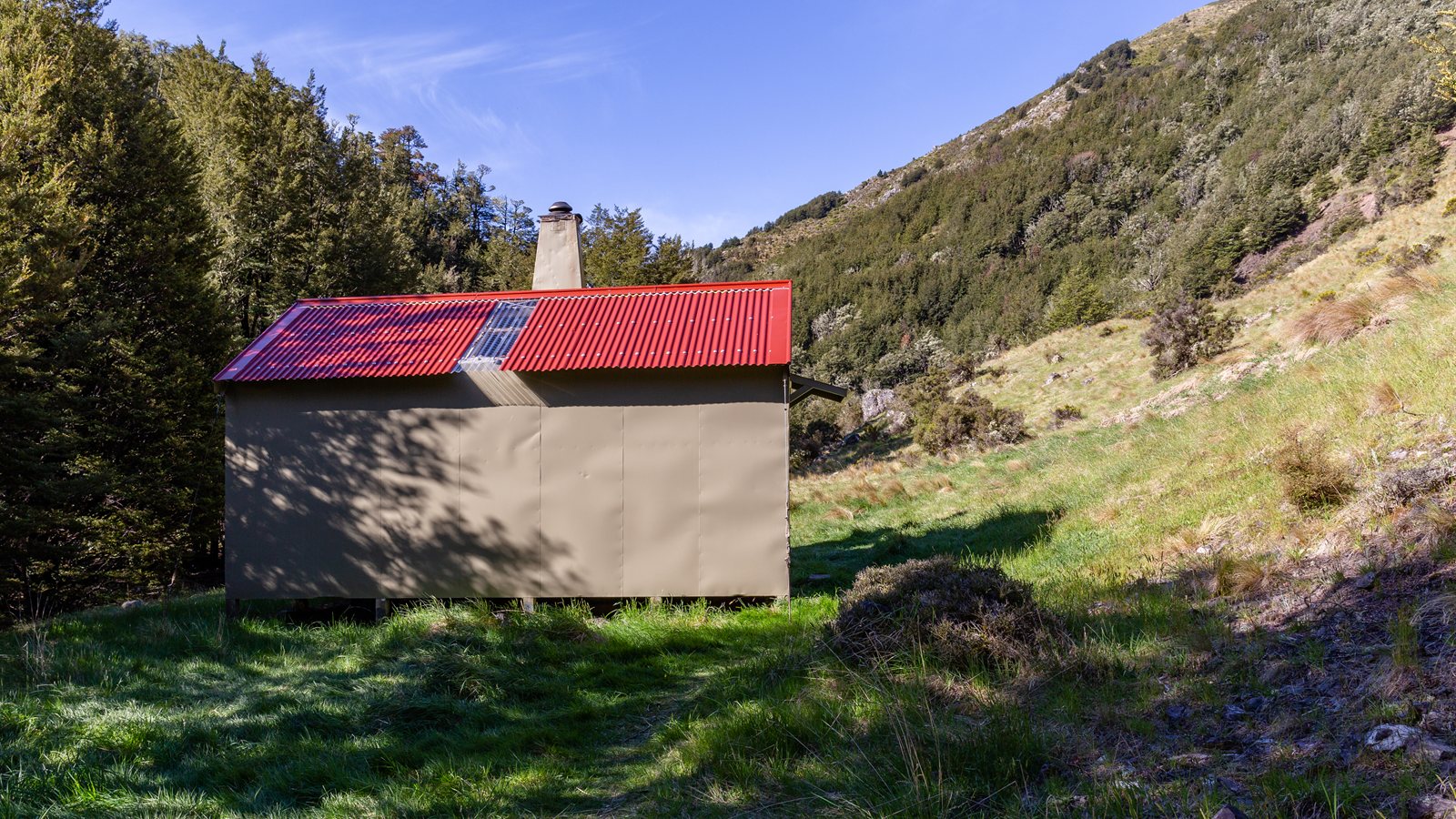
Small hut with a red roof standing in a sunlit forest clearing
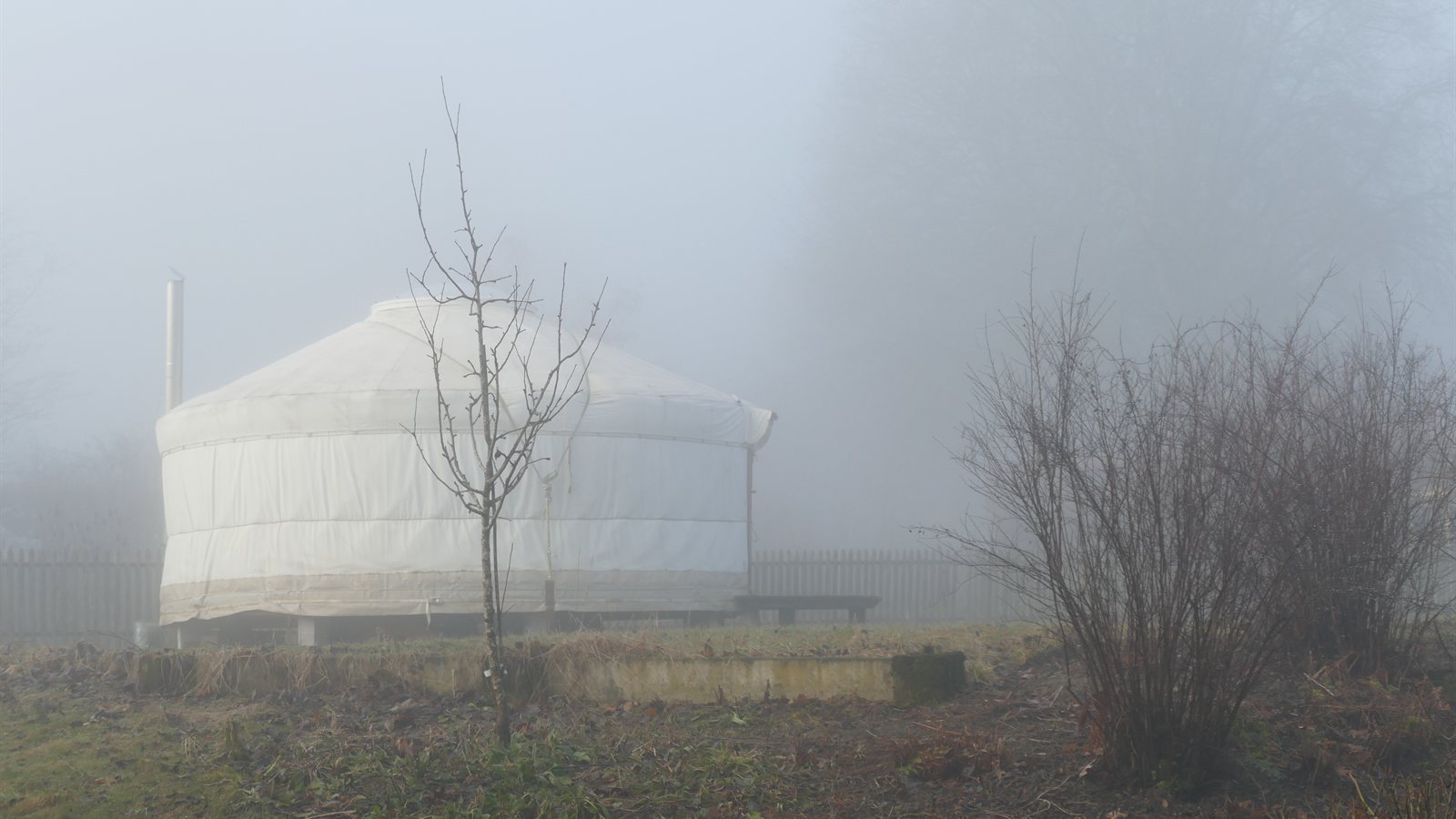
Canvas yurt standing in morning fog at the edge of a meadow

Advantages

What Makes a Night Here Different

Six things guests notice, usually within the first evening, and mention when they book the following year.

Genuine Distance Between Shelters

Each clearing sits at least two hundred metres from its nearest neighbour, screened by standing woodland and usually separated by the stream itself. That spacing is the reason people sleep here: no car doors, no strangers' conversations, no light spilling across the deck at midnight. Paths are laid so that arriving guests never walk past another shelter, parking is grouped away from the sites, and deliveries stop at a central shed. Even in a full week, the woodland feels empty. Groups who want to be together can book neighbouring clearings, but nobody is placed beside strangers simply to fill the map.

Warm, Dry and Properly Built

Woodland shelters fail in the same predictable ways: cold floors, damp bedding, stoves that smoke and roofs that drum in rain. Ours are insulated under the floor and behind the lining, raised clear of the ground, fitted with flues that draw properly and glazed on the side that catches morning sun. Wool blankets, heavy duvets and hot water bottles are standard, drying racks stand beside every stove, and a dehumidifier runs in the linen store so nothing ever comes out of a cupboard smelling of the forest. Guests arrive to a lit stove and a warm room, whatever the weather is doing outside.

Water You Can Actually Use

The streams are the reason to come, so we make them usable rather than decorative. Two deep pools have been cleared of debris and given stone steps for swimming, a shallow gravel run is safe for small children, and a wood-fired hot tub sits above the bank at one of the larger clearings. Drinking water comes from a tested spring supply piped to every site, and outdoor showers run hot from the same boiler that heats the tub. We monitor water quality monthly, publish the results, and mark the levels at which the pools become unsafe after heavy rain.

Arrival Without Logistics

Nobody wants to start a break by hunting for firewood or driving back out for milk. Every stay begins with the stove lit, the beds made, lanterns charged, a basket of bread, eggs, cheese, coffee and local beer on the table, and a stack of dry wood under cover beside the door. Cast-iron pans, a grill grate, a kettle, a coolbox and a first-aid kit are already in the cabin. A printed map shows the paths, the pools, the nearest bakery and where the phone signal returns. Late arrivals are expected rather than penalised, and the code works from four in the afternoon.

Open Through the Cold Months

Winter is the best season here and the one most operators shut down for. Stoves and insulation are specified for genuine cold, paths are gritted, the wood store is filled before the first frost, and a tractor keeps the access track passable in snow. Shorter days are met with lanterns, a reading shelf in every cabin and a covered fire circle for evenings outside. Frozen edges on the stream, tracks in fresh snow and a forest without a single leaf between you and the sky are worth more than a warm afternoon, and off-season rates make a week affordable.

Low Impact That Is Actually Measured

Claims about sustainability are easy to print, so we publish numbers instead: solar generation and consumption per site, firewood cut from our own coppice rotation, water use, waste separated and composted, and the area replanted each winter. Structures sit on stone pads that can be lifted out, no concrete has been poured on the holding, and detergents supplied in the cabins are certified for use near watercourses. Guests are asked to keep to marked paths in spring, when ground-nesting birds are vulnerable, and each booking contributes to habitat work carried out with a local naturalist group.
Services

Shelters, Extras and Whole-Site Bookings

Six ways to stay, from a single night in a tent to a season in a cabin or the entire woodland to yourselves.

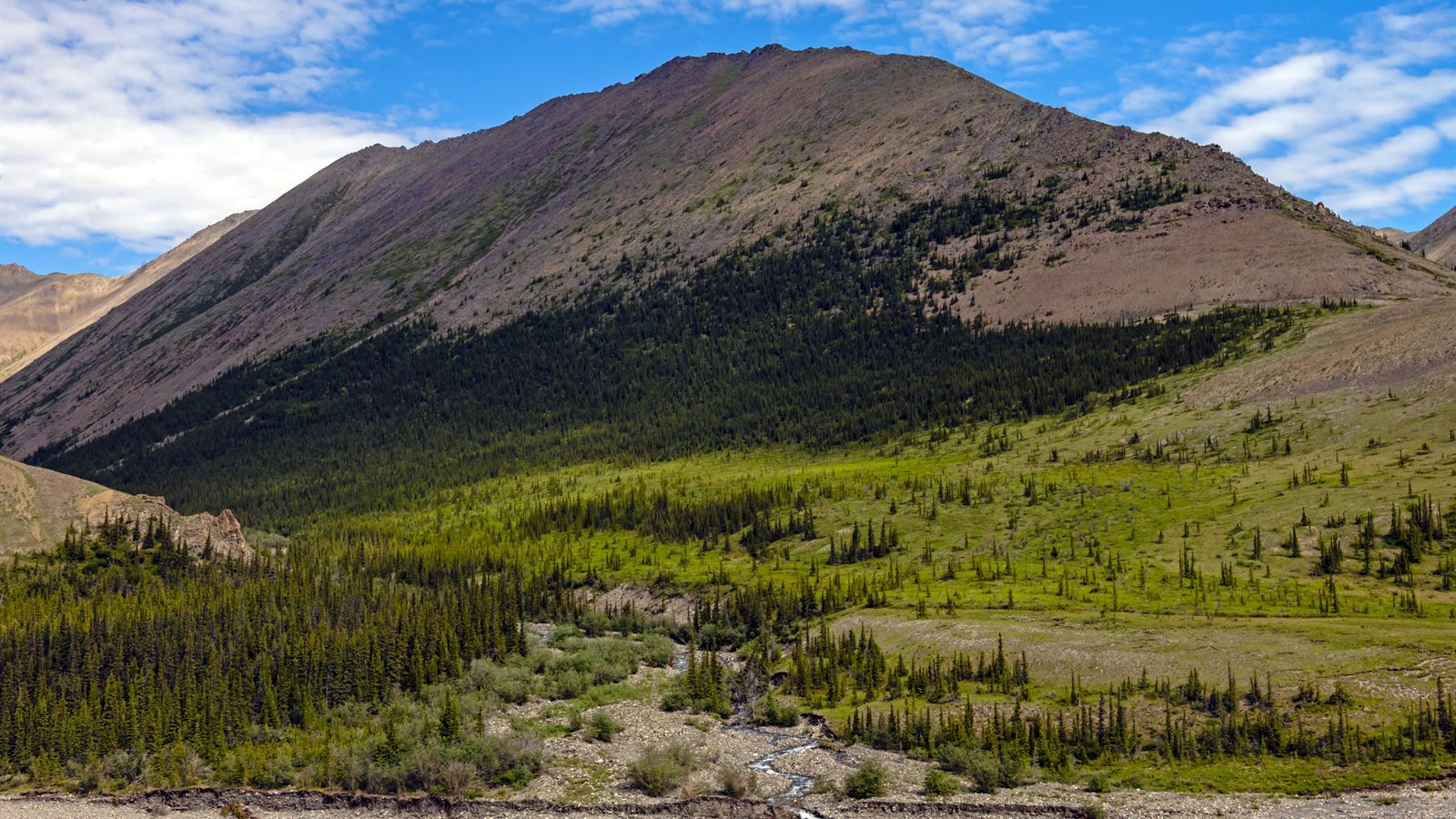
Mountain brook running through open valley towards distant peaks

Timber Stream Cabins

Four insulated one- and two-bedroom cabins built from timber milled on site, each with a wood stove, a compact kitchen with gas hob and fridge, a shower room with hot water, and a covered deck within a few steps of the water. Bedding, towels, firewood, lanterns and an arrival basket are included, and cabins sleep from two to five people comfortably. They work equally well for a winter weekend, a fortnight of writing or a month of remote work, and each has a desk, reliable solar power and a signal booster for anyone who genuinely cannot disconnect entirely.

Yurts and Safari Tents

Canvas shelters on raised timber platforms, warm enough for three seasons and available with extra insulation in autumn. Yurts hold a double bed, a wood stove, rugs, storage and a table; safari tents add separate sleeping compartments for children and a sheltered cooking area. Each pitch has its own fire ring, water point, hot outdoor shower and composting toilet, with a shared kitchen barn nearby for wet days. These are the sites closest to the swimming pools in the stream, which makes them the first to be booked by families in summer.

Family Weeks and Group Clearings

Neighbouring clearings can be booked together for families and friends travelling as a group, giving each household its own shelter and fire while sharing a central kitchen barn and a long table under cover. We provide travel cots, high chairs, children's life jackets for the pools, board games, and a supply of dry wood large enough for a week of evenings outside. Group bookings include a welcome briefing on the paths and water, and we can arrange a cook for one or two evenings so that nobody spends the whole holiday at a stove.

Guided Woodland Programme

Optional sessions run through the season with local specialists: dawn birdsong walks, tracking after rain, fungi identification in autumn, wild plant cookery, axe and saw handling, fire-lighting for children, night walks without torches and stream ecology with nets and trays. Sessions last two to three hours, take small groups, and are booked on the day when weather allows. Nothing is compulsory, nothing is scheduled before nine in the morning, and guests who want only silence are never approached with an activity timetable.

Sauna, Hot Tub and Bathing

A wood-fired sauna with a cold plunge stands beside the largest pool and can be booked by the hour for private use, heated in advance by our staff. A separate wood-fired hot tub serves the upper clearings, filled and lit on request with towels and robes supplied. Both are cleaned and refilled between bookings, with water tested regularly and temperatures checked before each session. Guests can combine sauna time with a swim in the stream, and staff will bring a tray of tea, cold drinks or supper to the deck afterwards.

Retreats, Workshops and Exclusive Use

The whole holding can be taken for writing retreats, yoga groups, small courses, family celebrations and company gatherings that want no screens and no hotel corridors. Exclusive use includes all twelve shelters, the kitchen barn, the covered fire circle, the sauna and the paths, with catering arranged from local producers and a coordinator present throughout. We can supply a projector and power for teaching sessions, or remove every electronic device from the site if that is the point. Bookings run midweek or over full weeks outside the school holidays.

Contacts

Reservations and Directions

Tell us the dates, how many people, whether you want a cabin or canvas, and how close to the water you would like to sleep. We answer with what is genuinely free, what the weather usually does that week, and how long the walk from the parking area will be with luggage.

Retreat organisers and anyone considering exclusive use should write with the group size and preferred month; we will send a plan of the clearings and a full quotation.

Office7 Rue de Castiglione, 75001 Paris, France

Phone+33 1 42 96 17 55

Emailalderbrookretreats@outlook.com

ReservationsDaily 08:00–20:00; arrivals from 16:00