SP Stillpaddle Collective
Flat water · Slow current · Small groups

Kayak and Paddleboard Tours Across Still Backwaters

We run guided paddling trips on the calmest water there is: cut-off river bends, shaded side channels, oxbow lakes and sheltered lagoons where the current barely moves and the surface holds a perfect reflection until midday. Sessions start with a short technique briefing on shore, continue at a conversational pace with frequent drifting stops, and finish with tea and something warm on the bank. Stable touring kayaks, wide inflatable boards, dry bags, buoyancy aids and waterproof phone cases are all included, so complete beginners and confident paddlers can share the same quiet morning on the water.

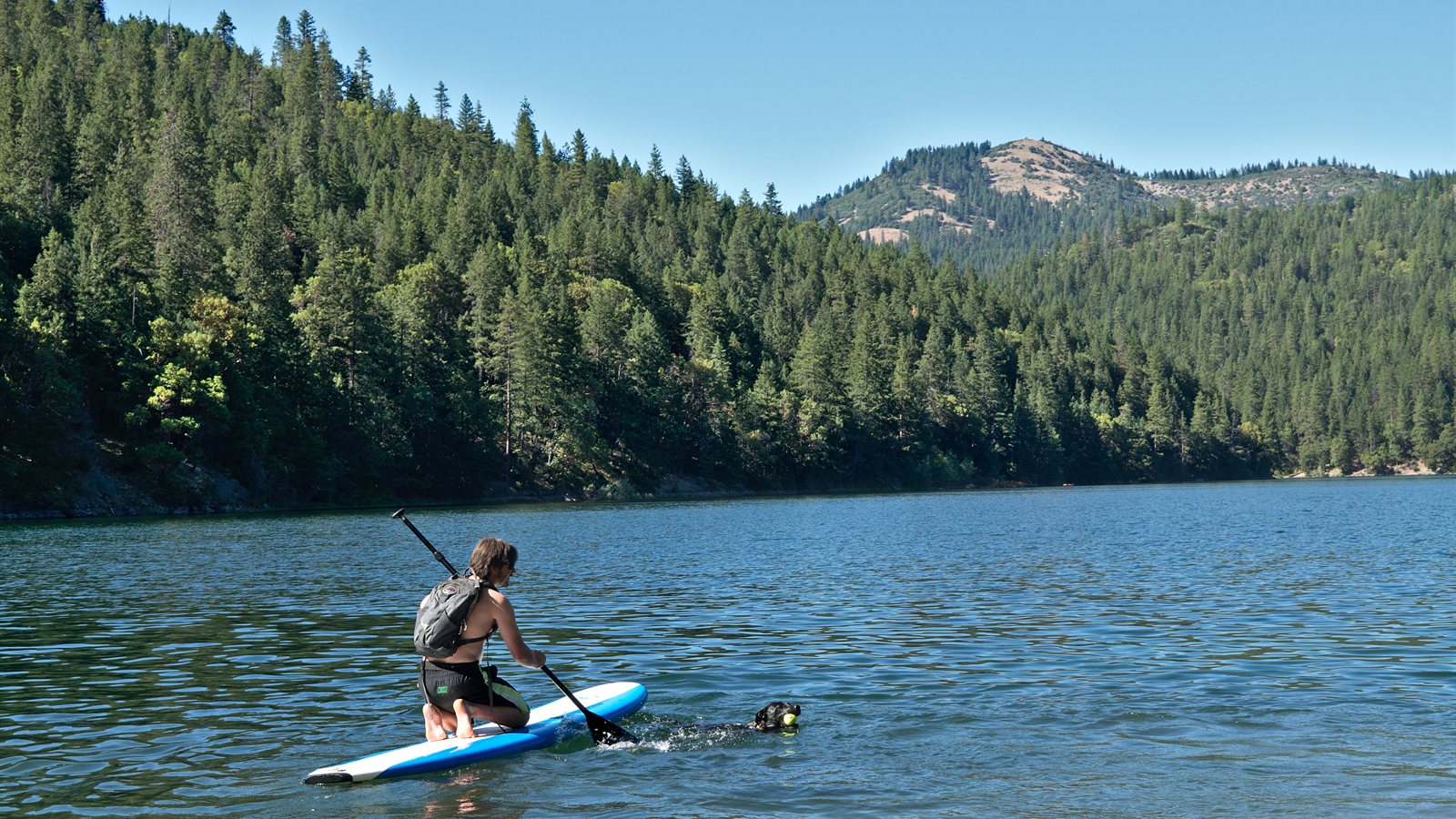
Paddleboarder crossing calm water below wooded hills
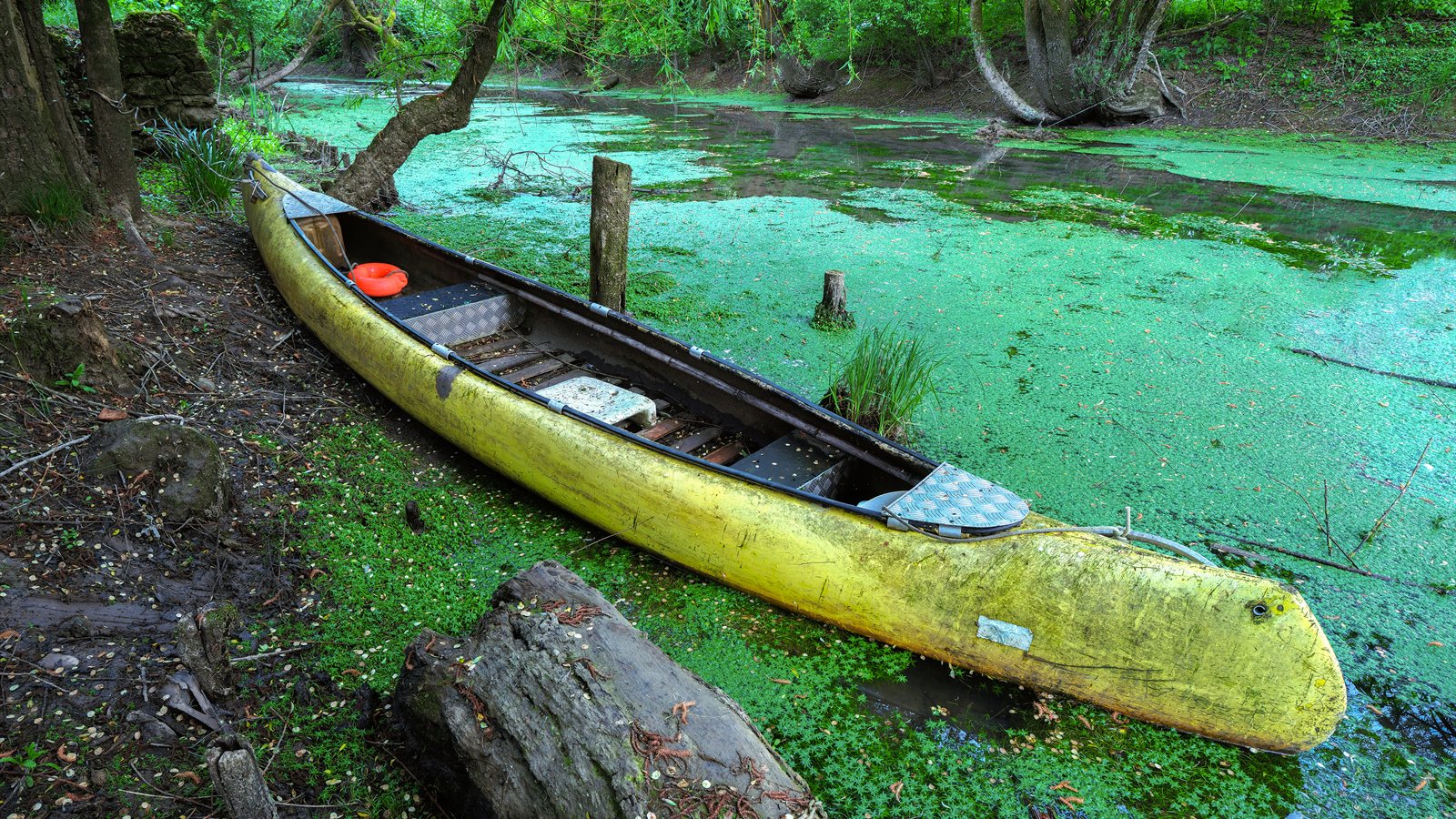
Wooden canoe resting on the bank of a green, still side channel
About us

Paddlers Who Prefer Water That Stands Still

The club was started by instructors who had spent years teaching on fast rivers and open coast and wanted something different: a programme built entirely around sheltered water, where nobody has to fight a current to enjoy the day. Old river bends abandoned by the main channel, flooded gravel workings, quiet canal arms and shaded creeks became the map we work from, and every route was paddled dozens of times in different conditions before it was offered to guests. The result is a schedule where beginners are never overwhelmed and experienced paddlers still find long, meditative distances.

Equipment is chosen for comfort rather than sport performance: broad-beamed touring kayaks that stay level when you turn to look at a kingfisher, inflatable boards thick enough to carry a bag and a dog, adjustable paddles sized on the spot, and seats with proper back support for longer outings. Everything is rinsed, dried and inspected after each session, and a replacement is always on the trailer so nobody waits while a fitting is adjusted.

Our instructors hold recognised paddlesport and rescue qualifications and are trained to teach in plain language without jargon. Beyond scheduled tours, we look after the water we use: seasonal clearing of fallen timber from access points, litter collection during quiet weeks, and cooperation with landowners and anglers so that paddling stays welcome on stretches that other operators have overused.

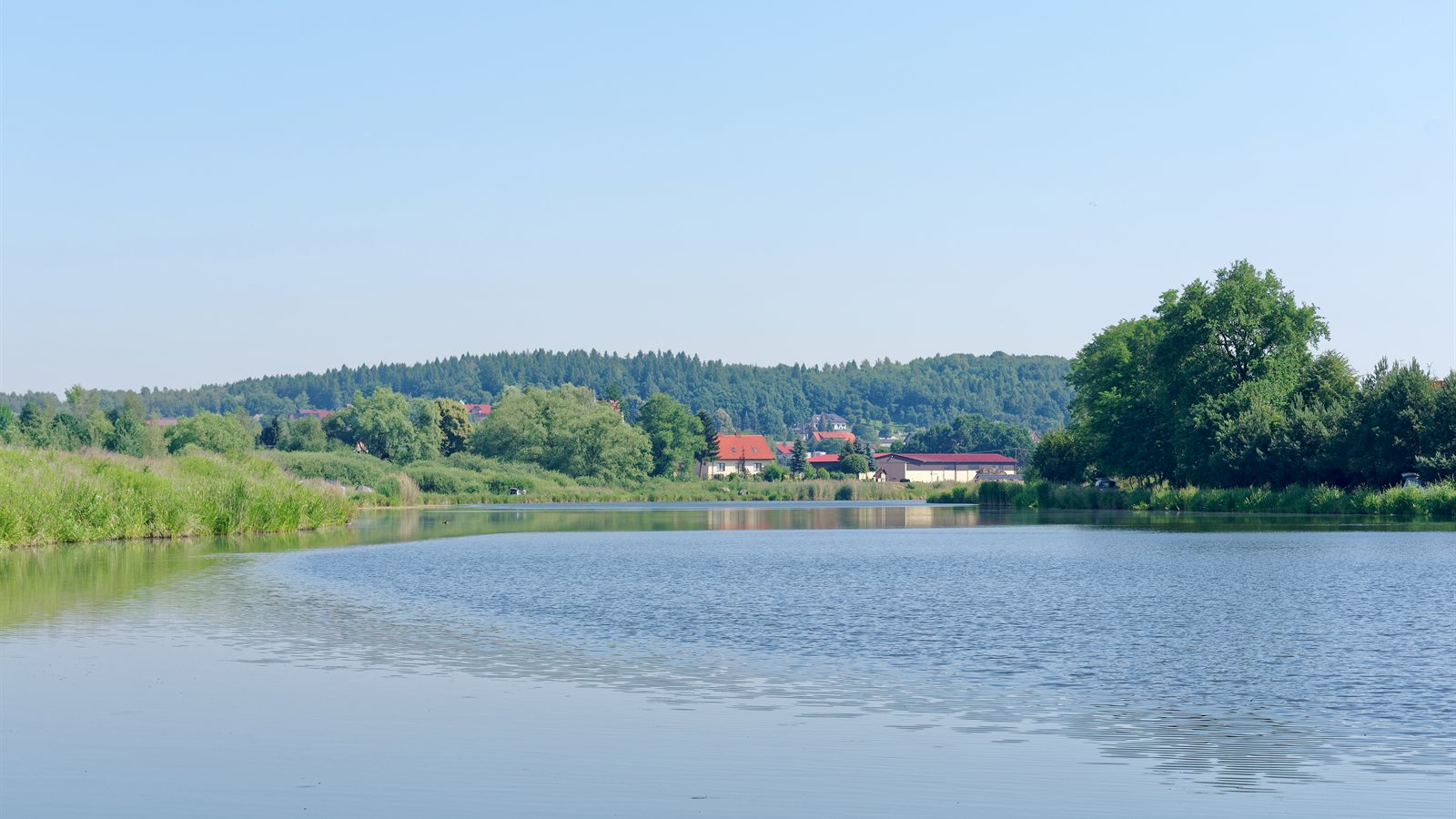
Wide still backwater bordered by reeds and summer woodland
Advantages

Six Reasons People Book a Second Trip

Calm routes, patient teaching and equipment that fits — the details that decide whether a first paddle becomes a habit.

01

Genuinely Flat, Sheltered Water

Every route we use sits away from the main current, in cut-off bends, backwaters and shallow lagoons where wind fetch is short and flow is close to zero. That single choice removes most of what frightens newcomers: there is no risk of being carried downstream, no need to fight back to the launch point, and no sudden chop when a workboat passes. Families with children, guests recovering from injury and anyone who has never held a paddle can therefore start on the same water as regulars. Experienced paddlers appreciate it differently — mirror-flat surfaces make long, rhythmic distances possible and turn photography from the boat into a genuine pleasure rather than a balancing act.

02

Instruction Without Jargon

Our coaches teach in ordinary language, demonstrating each stroke on shore before anyone gets wet and correcting quietly rather than shouting across the water. The first twenty minutes cover posture, grip, forward paddling, stopping and turning, plus a calm explanation of what happens if a board tips and how simple it is to climb back on. Groups are limited so that everyone gets individual attention, and progress is set by the slowest participant rather than the fastest. Guests who arrive nervous almost always finish the session asking about the next level, and those who already paddle receive genuine technical feedback instead of being left to drift at the back.

03

Equipment Fitted to the Person

Nothing spoils a first paddle faster than a boat that is too big, a paddle that is too long or a buoyancy aid that rides up under the chin. We carry a full range of sizes for adults, teenagers and children, adjust seat position and footrests before launch, and match paddle length to height and stroke style. Boards come in several widths and thicknesses so that heavier paddlers, nervous beginners and those bringing a bag or a dog all get something stable. Dry bags, waterproof phone cases, neoprene shoes and thermal tops are available at no extra cost, and everything is checked, rinsed and dried between sessions.

04

Safety Cover That Stays Invisible

Every group paddles with a qualified leader holding current rescue and first-aid certification, and larger sessions add a second coach at the rear so nobody is ever out of sight. Support craft carry throw lines, spare paddles, a first-aid kit, warm layers and a means of communication, and departure decisions follow written wind, temperature and visibility limits rather than optimism about the forecast. A shore contact knows the planned route and expected return for every trip. All of this stays deliberately in the background: guests notice a relaxed, unhurried morning, not a safety briefing that turns the outing into a drill.

05

Timing Chosen for Stillness

Backwaters are at their best early and late, when wind drops, light softens and wildlife comes to the edge. We build the timetable around those windows rather than around office hours: dawn departures with mist over the surface, mid-morning family sessions once the air has warmed, and evening paddles that finish as the sun sits on the treeline. Each booking includes advice on what the conditions are likely to be, and if wind is forecast we move the start time or switch to a more sheltered arm instead of cancelling. Guests get the version of the water that photographs and memories are actually made of.

06

Respect for Quiet Places

Still water is fragile: nesting birds sit low on the banks, spawning fish use shallow margins, and a single noisy group can undo months of tolerance from landowners and anglers. We cap group sizes, keep launches to established access points, avoid marked nesting bays entirely during spring, and brief every participant on distance, noise and litter before leaving shore. Boards and hulls are washed between catchments to stop invasive plants travelling with us. Part of each booking funds bank repair, access maintenance and clearing of fallen timber, which is why the stretches we use stay open and welcoming season after season.

Services

Tours, Lessons and Rentals

Everything runs on sheltered water, from a first hour on a board to multi-day paddling routes with camp stops.

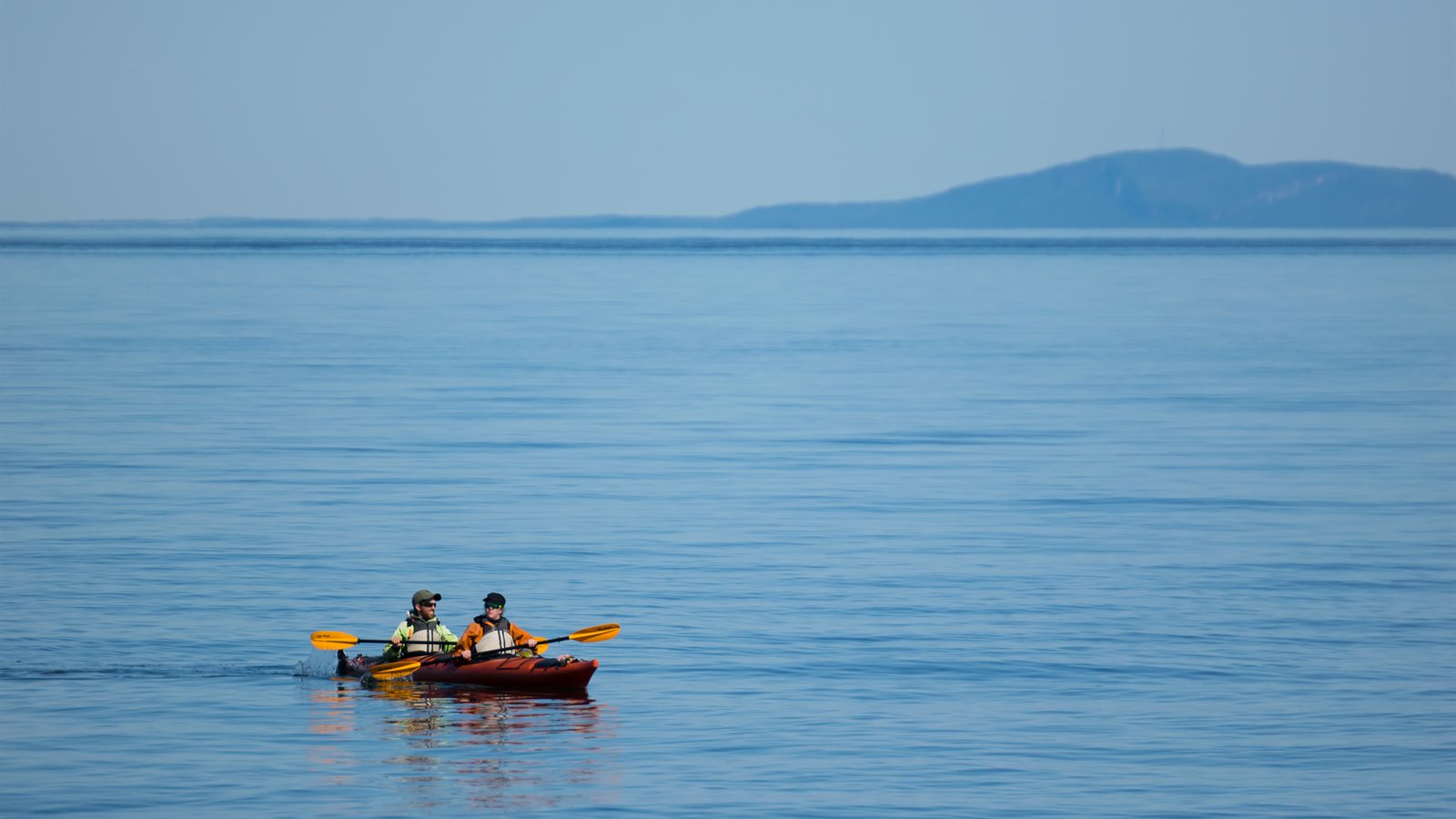
Tandem kayak crossing wide open water in bright morning light

Guided Backwater Kayak Tours

Our signature outing is a three-hour guided paddle through cut-off bends and shaded side channels, covering a comfortable distance with plenty of drifting stops. A coach leads, a second paddler follows at the back, and the route is chosen on the day according to wind and water level. Kayaks are stable touring models with backrests and dry storage; buoyancy aids, paddles, dry bags and waterproof phone cases are included. Groups are capped at ten, no experience is required, and the session finishes with hot drinks on the bank plus a short talk about the wildlife and history of the stretch you have just crossed.

Paddleboard Sessions and Sunrise Paddles

Board sessions run on the widest, calmest stretches and are ideal for first-timers, since our inflatables are broad, thick and remarkably hard to tip. Standard sessions last ninety minutes and include a shore lesson, a guided loop and free time to practise. Sunrise paddles leave before the wind arrives, cross water that reflects the sky like a mirror, and return to a simple breakfast on the bank. We also offer board yoga on anchored platforms, evening sessions with waterproof lights, and quiet sessions for guests who prefer to paddle without music, commentary or crowds.

Courses for Beginners and Improvers

Structured courses run over four evenings or two weekend mornings and take participants from first contact with a paddle to confident independent travel on flat water. Content covers efficient forward stroke, sweep and draw turns, edging, launching and landing, self-rescue, deep-water re-entry, towing a tired partner, reading wind on open stretches and planning a simple route. Class sizes stay under eight, equipment is provided throughout, and participants who complete the course receive a written progress summary plus recommendations for the next stage. Private one-to-one coaching is available for anyone who prefers to learn without an audience.

Equipment Hire and Shuttle Support

Experienced paddlers can hire kayaks, canoes and boards by the hour, day or week, with roof bars, trolleys, spray decks, pumps and repair kits available alongside. Every hire includes a printed route card marked with access points, portages, shallow sections and safe exits, plus current information on water level and any temporary restrictions. Our van handles vehicle shuttles between launch and landing points so that groups can paddle one way without leaving a car behind, and equipment can be delivered to campsites or private landings within an agreed radius on request.

Private Groups, Families and Company Days

Whole sessions can be reserved for families, clubs, birthdays, stag and hen groups or company teams, with pacing and content adjusted to the group rather than a public timetable. Popular formats include a gentle two-hour family paddle with a picnic island stop, a skills morning followed by a barbecue on the bank, and a slow evening loop for colleagues who would rather talk than compete. We provide equipment for children from age six, spare warm clothing, secure storage for belongings, photography of the group on the water, and transport from a meeting point if guests arrive without cars.

Multi-Day Routes and Camp Paddles

For guests who want more than a morning, we plan two- to five-day journeys linking backwaters, lakes and quiet canal arms, with overnight stops at small campsites or simple guesthouses. Luggage travels by road so boats stay light, meals are arranged with local kitchens, and daily distances are set to leave long afternoons free for swimming, reading or exploring on foot. A leader paddles with the group throughout, and a support driver is reachable at every stage. Route notes, weather updates and a packing list are sent well before departure so nothing has to be improvised on the bank.
Contacts

Bookings and Questions

Write or call with the number of paddlers, ages, experience level and preferred dates, and we will suggest the session that fits — including honest advice when a different time of day would give calmer water.

Office

10 Avenue Montaigne, 75008 Paris, France

Phone

+33 1 47 23 55 08

Season & Hours

March–November, daily 07:00–20:00