Waymark Cabins One day's walk apart

Eleven cabins · Two hundred kilometres

Cabins Spaced a Day Apart Along the Valley Trails

Eleven simple cabins stand along two hundred kilometres of trekking route through connected river valleys, each one a comfortable day's walk from the next. They are not hotels: a bed with proper bedding, a hot shower, a drying room, a kitchen you may use, a stove and a table where whoever is walking that week eats together. Meals can be booked in advance, luggage can be moved by road, and every cabin holds the current condition report for the stages either side of it.

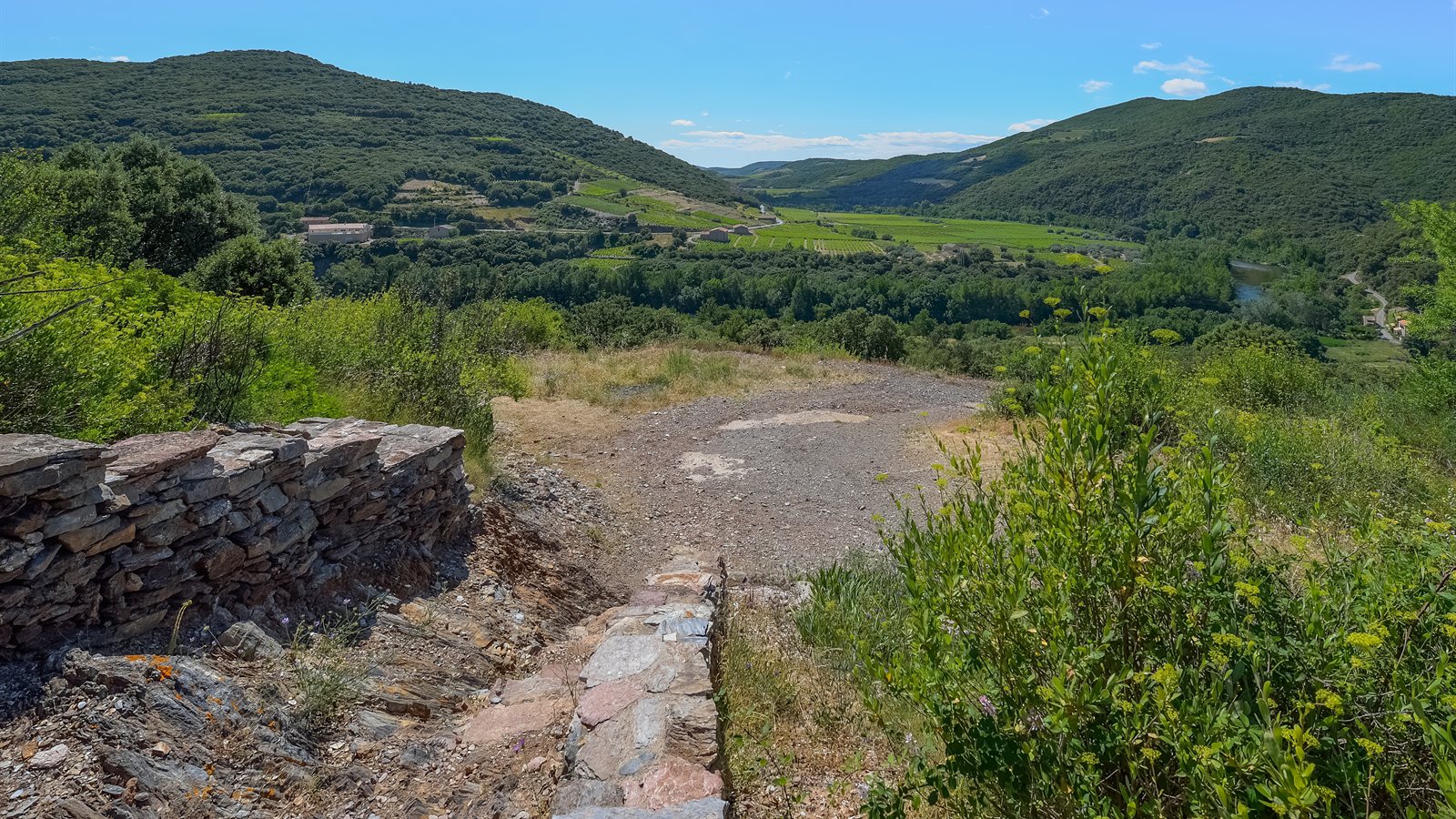
Stone path descending into a green river valley
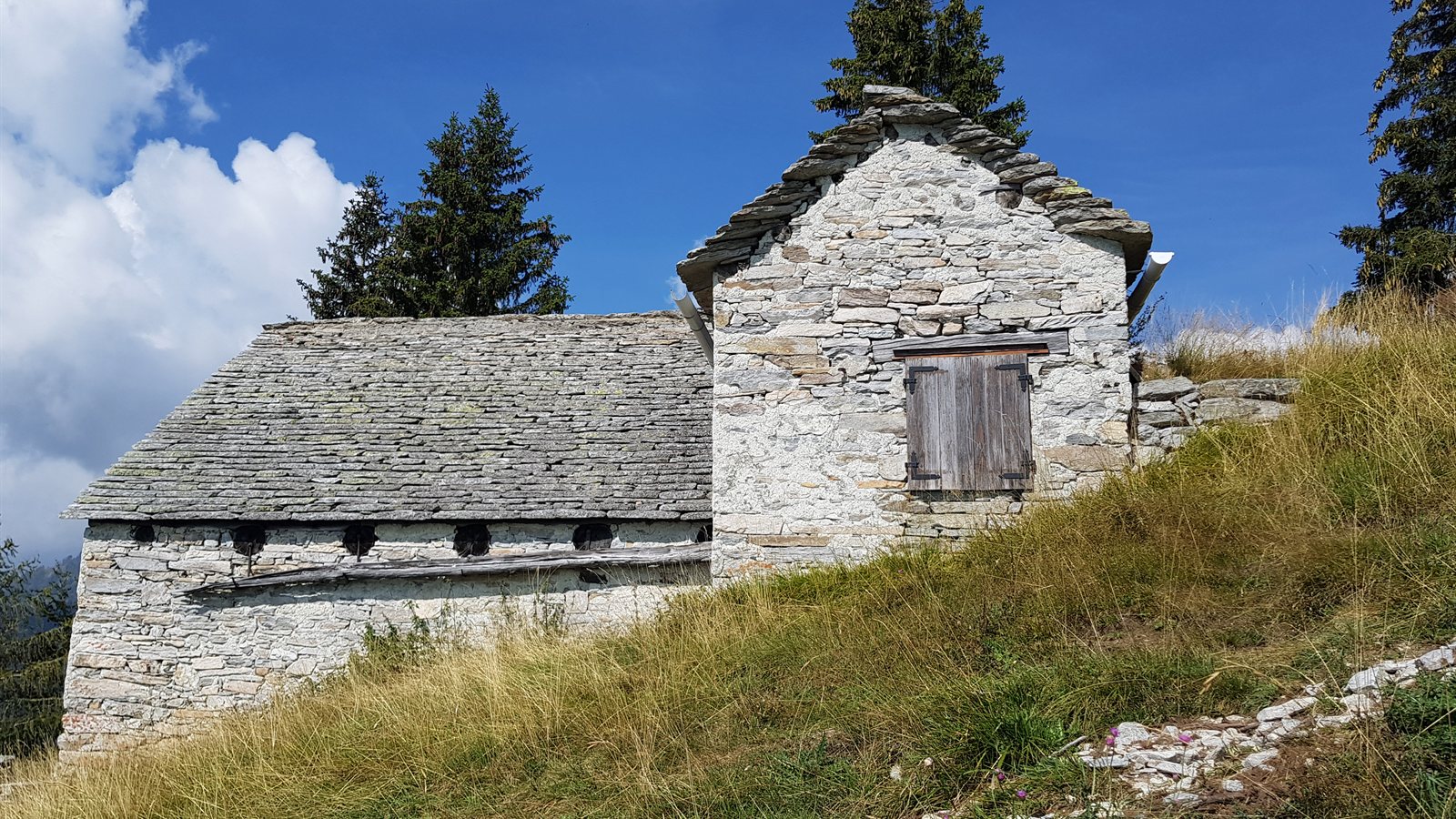
Stone mountain hut with a slate roof on a grassy slope

About us

Built Because the Route Had Nowhere to Sleep

The trail existed long before we did — a chain of old transhumance paths, mule tracks and forest roads linking four river valleys — but it was unwalkable as a continuous route because the gaps between villages ran to thirty-five kilometres with nothing in between. A walking association mapped it, and we built or restored eleven buildings to close those gaps: three former shepherds' huts, two abandoned mills, a customs post and five new cabins raised on stone footings where nothing suitable existed.

The specification is deliberately modest and completely consistent. Every cabin sleeps between eight and eighteen in a mixture of small rooms and one bunk room, has hot water from a solar tank with a wood-fired backup, a proper drying room, a wood stove, a kitchen open to guests, mattresses and pillows rather than sleeping platforms, and a long table. There is no wi-fi in seven of them and there never will be. What there is instead is a shelf of books, a card game and other people to talk to.

Each cabin has a warden through the season who walks the stages either side every week, records the state of the path, the fords and the water sources, and passes that on to walkers arriving in the evening. Between seasons the same wardens repair waymarks, clear fallen timber and rebuild the drystone that holds the path on the steeper traverses, work funded from a fixed share of every bed booked.

Advantages

What Makes the Route Walkable

Six things that turn a line of huts into a trek people finish rather than abandon on day three.

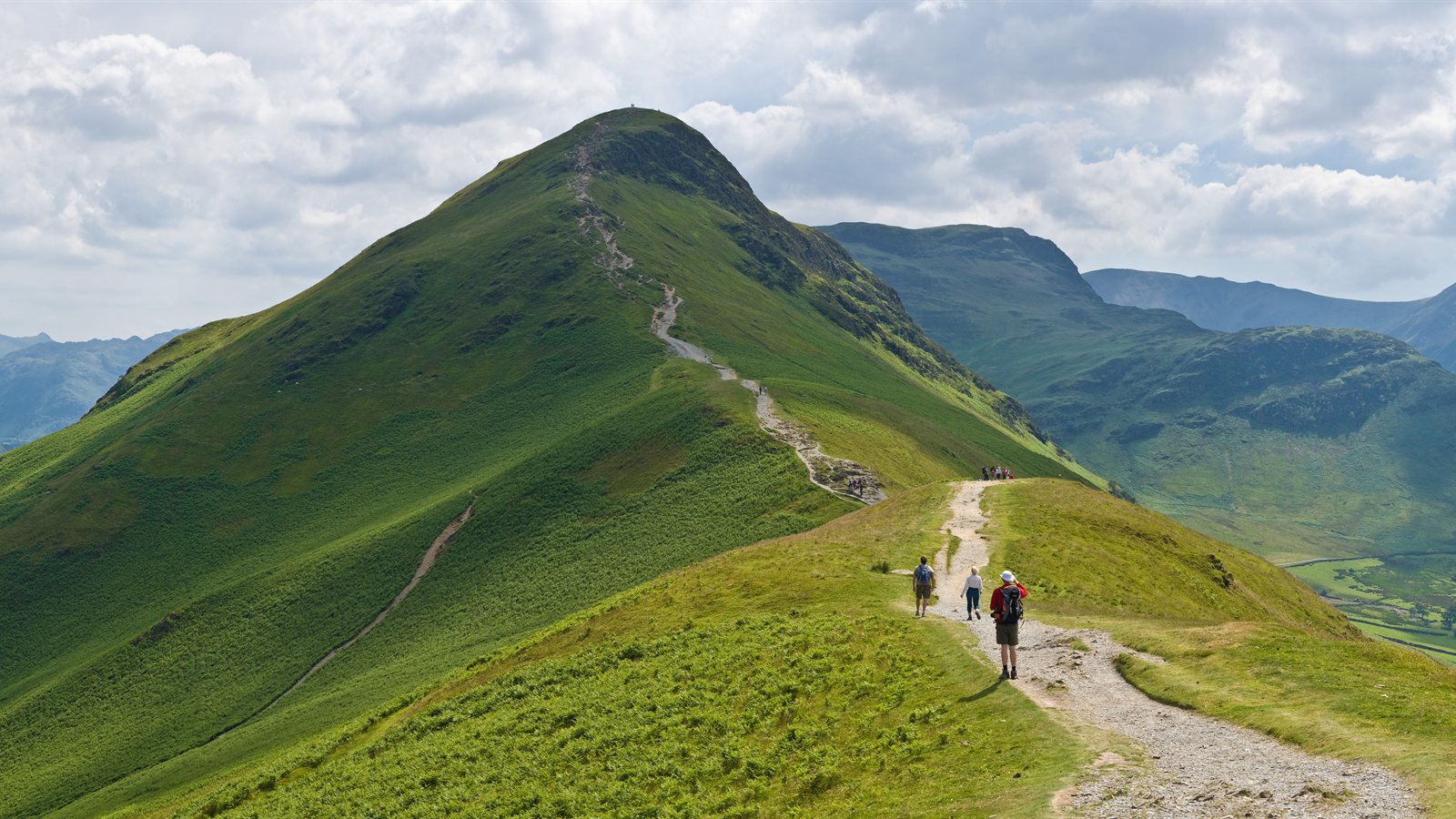
Walkers on a ridge path above a lake

Honest Stage Distances

Every stage has been measured with a wheel and walked repeatedly by wardens carrying real packs, so the distances, ascent figures and times we publish are what an ordinary walker actually experiences rather than what a mapping application calculates. Where a stage is harder than its numbers suggest — a long boulder field, an exposed traverse, a ford that needs care — that is stated plainly. Two stages are marked as difficult and we recommend splitting them; nobody has ever complained about being told the truth in advance.

Drying Rooms in Every Cabin

River valleys are wet places, and a walker who starts the second day in soaked boots will not finish the week. Each cabin has a separate heated drying room with rails, a boot rack over warm flooring, a dehumidifier and enough space for a full house of walkers. Wardens light it before the first arrivals appear. Spare wool socks, laces, insoles, a repair kit and a small stock of blister dressings are kept in every cabin and given away rather than sold.

Beds Rather Than Platforms

Mountain accommodation often means a shared platform, a borrowed blanket and very little sleep. Our cabins have individual mattresses with proper pillows and duvets, small rooms of two to four beds as well as a bunk room, and reading lights that do not disturb the person next to you. Sheets are provided so nobody needs a sleeping bag. It costs more to run and it is the reason walkers in their sixties and seventies complete the route in numbers.

Food That Matches the Effort

Evening meals can be booked with the bed: one dish, cooked by the warden from what the valley produces, served at a long table at seven, with soup, bread, cheese and something sweet around it. Breakfast is substantial and available from six. Packed lunches are made to order the night before. Cabins that can be reached by track also carry a small stock of pasta, rice, oil, coffee and chocolate for self-caterers, sold at valley prices rather than at altitude prices.

Wardens Who Walk the Stages

The person handing over the key has walked the path you are taking tomorrow within the last few days. That means current information about a washed-out ford, a fallen tree, a dry spring, a bull in a meadow or a section of snow still lying in a north-facing gully. The evening briefing is informal, takes ten minutes and is the single most useful thing we provide. Wardens also carry a radio and a first-aid kit and know exactly how a rescue would reach each part of the stage.

Escape Routes and Support

Every stage has a marked escape route to a road, and a vehicle can reach nine of the eleven cabins. If somebody twists an ankle, runs out of enthusiasm or has to leave for family reasons, we collect them the same day and move their booking rather than charging for the unused nights. Luggage can be transported between the road-accessible cabins, which allows walkers to carry a day pack for most of the route and makes the whole trek possible for people who could not manage a full load.

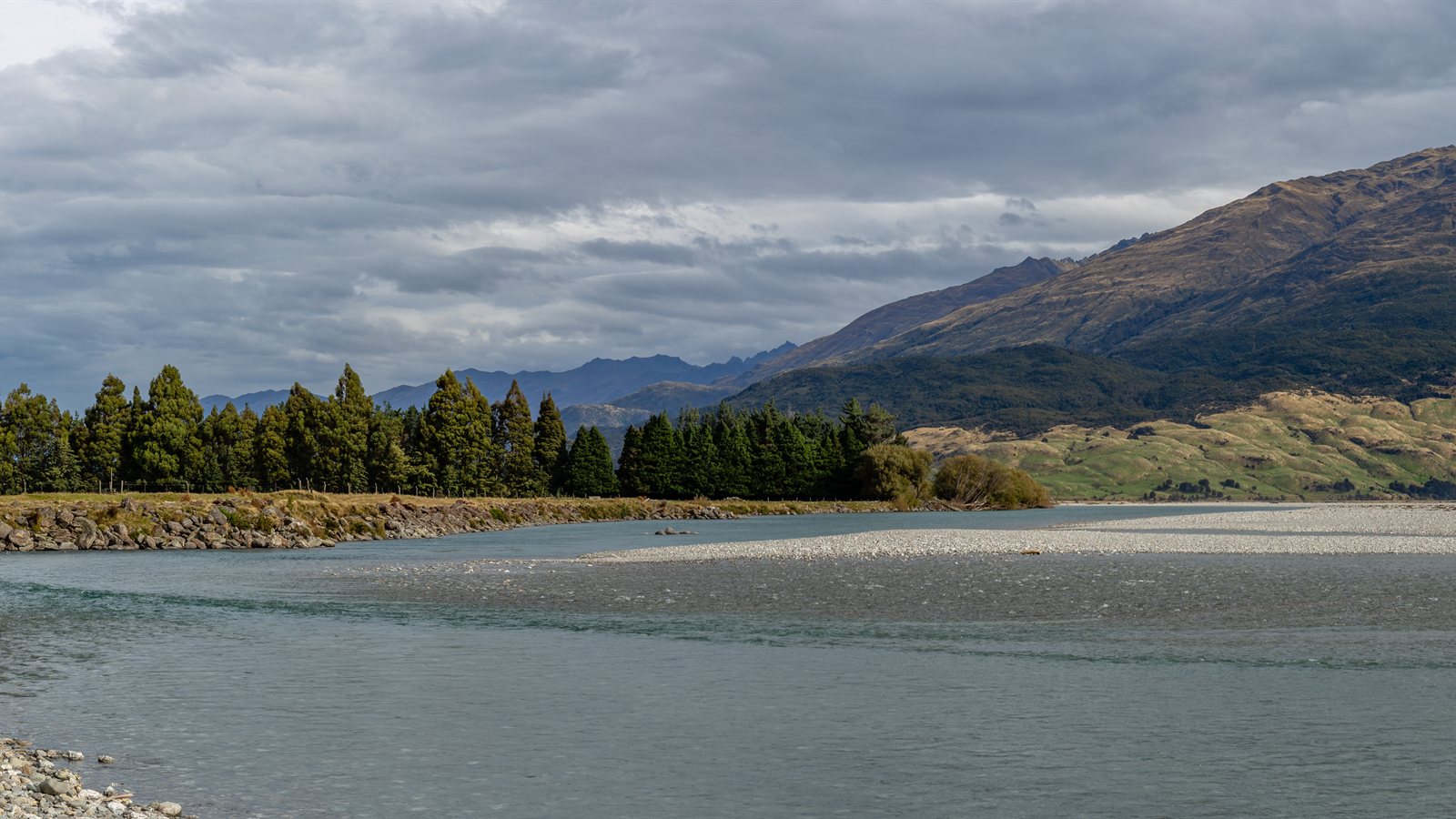
Braided river running through a broad mountain valley

Services

Bookings, Support and Whole Routes

Single beds, complete traverses, guided weeks, luggage transfer, winter use and group bookings.

Beds by the Night

Individual beds bookable at any cabin from one night upwards, including bedding, hot shower, use of the drying room and kitchen, and the evening stage briefing. Small rooms carry a modest supplement over the bunk room. Walkers arriving without a booking are accommodated whenever there is space, and no cabin is ever filled beyond its bed count. Payment can be made online or on arrival, and a bed is held until eight in the evening for anyone who has messaged the warden.

Complete Traverses

The full route in eleven or thirteen days, or half of it in six, booked as a single package with every night reserved, meals arranged, luggage transferred where the road allows and a route pack containing measured stage notes, maps, water sources, escape routes and emergency numbers. Rest days can be inserted at four of the cabins. We book the transfers to the start and from the finish, and we hold the whole itinerary so that a change on day three does not require eleven telephone calls.

Guided Weeks

For those who prefer company or are not confident navigating, guided groups of up to ten walk the route with a leader who knows the valleys, the geology, the wildlife and the abandoned settlements along the way. Guides carry a first-aid kit, a radio and a group shelter, and the pace is set by the slowest member. Guided weeks run from May to October, with a slower version covering shorter stages for walkers who want the whole route at a gentler rhythm.

Luggage Transfer and Transport

Bags moved by road between the nine accessible cabins each morning, with no practical weight limit and no charge for a second small bag. Transfers connect the route to the nearest railway station at both ends, and a vehicle can collect anyone who needs to stop. For the two cabins without road access, wardens carry a limited amount of luggage in on the supply run if arranged in advance, which is how most walkers manage the middle section without a heavy pack.

Winter and Snowshoe Season

Four cabins stay open through the winter with heating, a full wood store and a warden in residence, connected by lower-valley stages that are usually passable on foot or on snowshoes. Snowshoes, poles and traction aids can be hired, and a guide is available for anyone unfamiliar with winter conditions. Avalanche risk is assessed daily and the two higher stages simply close when it is elevated, with an alternative valley route offered instead.

Groups, Schools and Whole-Cabin Hire

Any cabin can be taken entirely by a walking club, a school group, a family or a course, with meals arranged, luggage brought in and the warden present or absent as preferred. We host mountain-skills courses, botany weeks, drawing groups and a long-standing annual gathering of the walking association that built the route. School groups walking the lower valleys receive a reduced rate and a session on how the paths and the terraces were made.
Contacts

Bookings and Stage Conditions

Tell us your dates and how far you are comfortable walking in a day, and we will build an itinerary that fits, book every night and tell you honestly which stages are demanding and which are best split.

Guided weeks, winter walking, whole-cabin hire and school bookings are arranged through the same office.

OfficeCarrera de San Jerónimo 34, 28014 Madrid, Spain
Phone+34 91 420 87 55
SeasonFull route May–October; four cabins open all year