Tastings in a Working Cellar
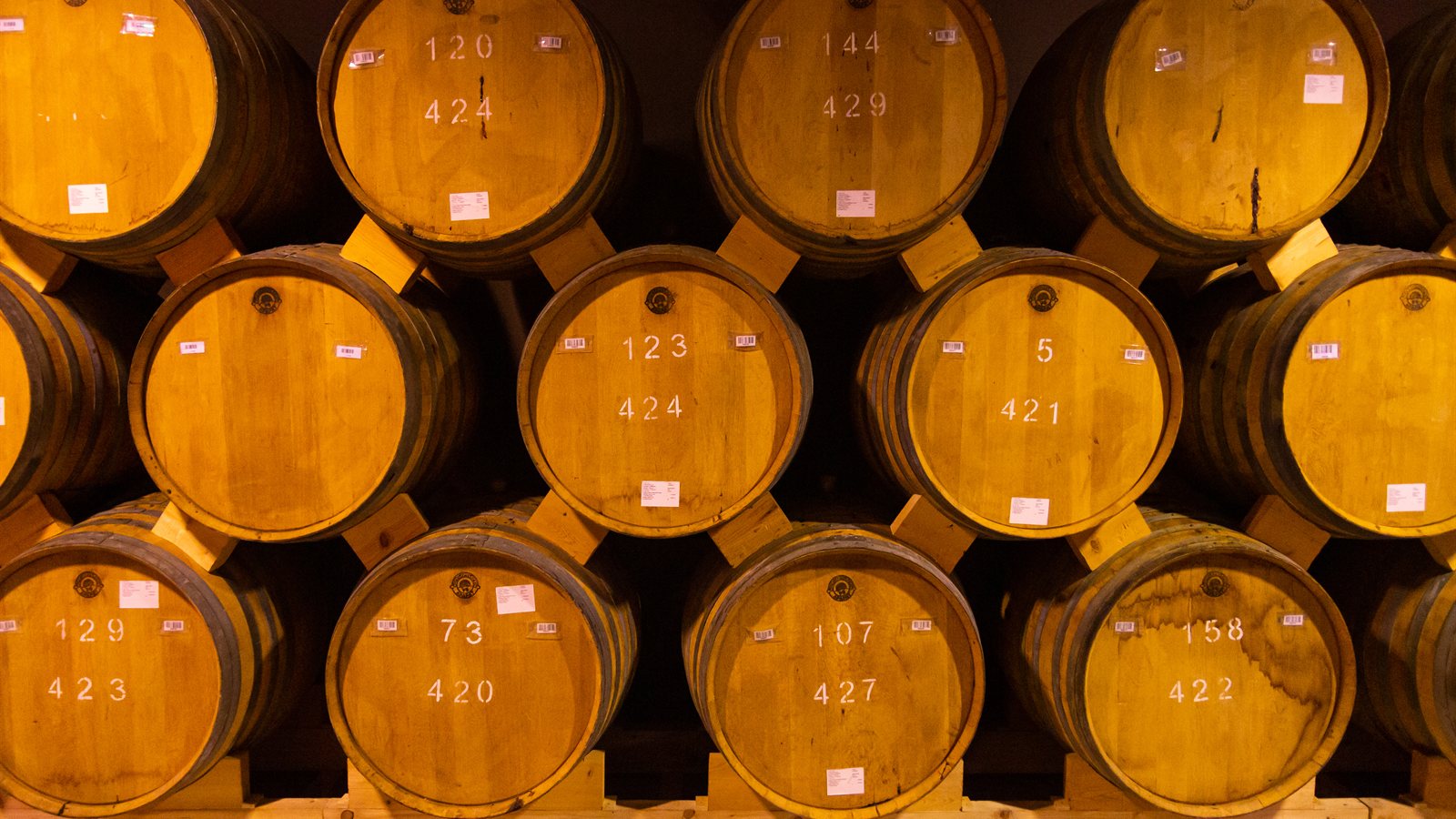
There is no tasting room with a laminated menu. Guests taste standing between the tanks and barrels, from the same glasses the family uses, poured by whoever made the wine, usually with something half-finished in a jug to compare against the bottled version. Questions about yield, sulphur, malolactic conversion or the difference between two parcels are answered directly and sometimes at length. In harvest weeks the tasting takes place around the press because that is where everybody is, and guests are handed a crate if they want to be useful.
Rooms Among the Vines
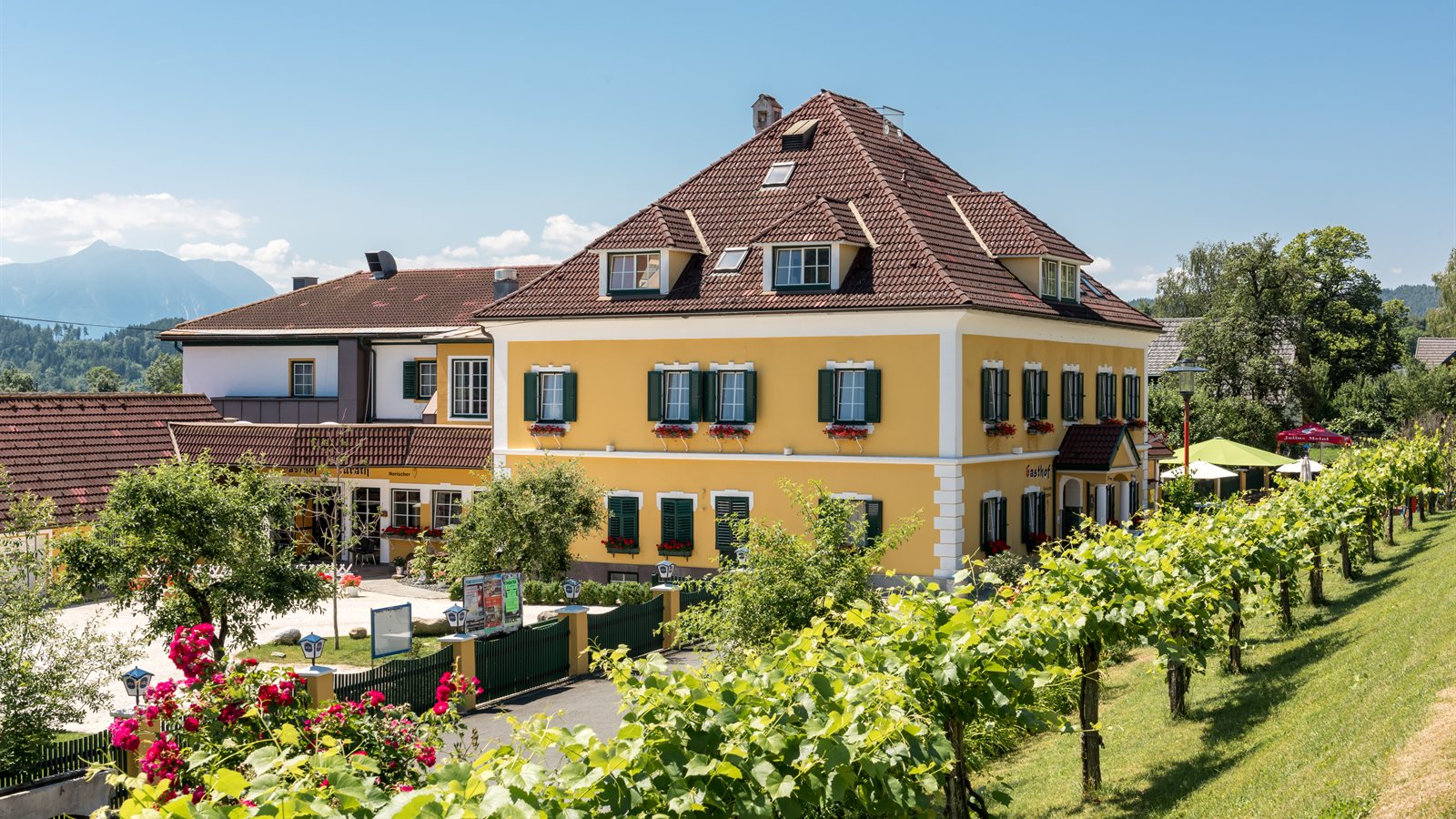
Between three and eight rooms at each estate, in buildings that were built for work rather than for guests: thick walls, deep windows, tiled floors, iron beds and a view of rows rather than a car park. They are comfortable rather than luxurious — good mattresses, proper linen, quiet heating, a bath or a strong shower, and enough space to spread out a map and a case of wine. Breakfast is whatever the family eats, which usually means bread, honey, fruit, eggs and cheese from within a few kilometres.
Seven Estates, One Booking
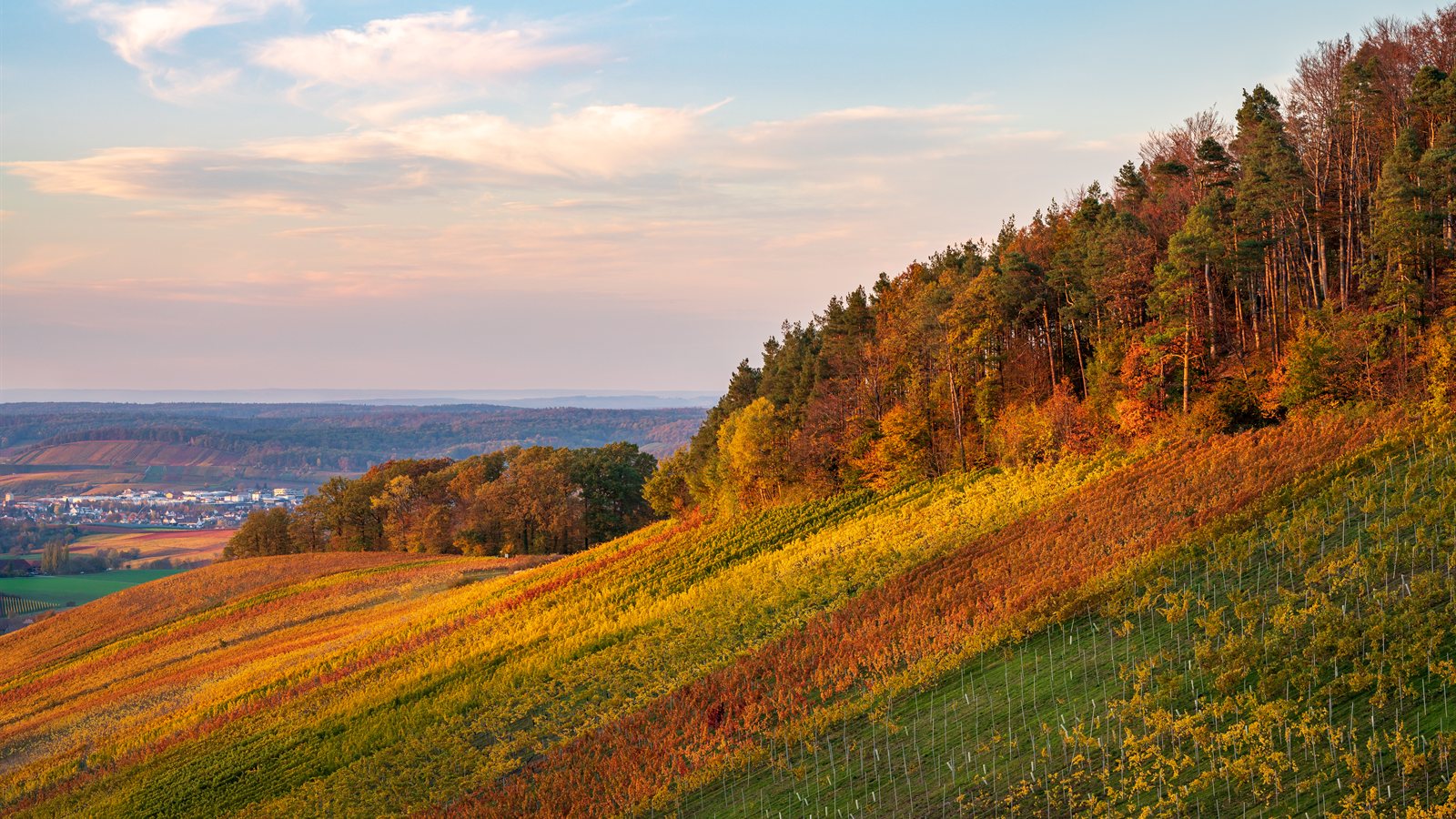
The estates lie within twelve kilometres of one another along the marsh edge, connected by flat farm tracks that make walking and cycling between them straightforward. We arrange itineraries that move a guest from one to the next every two or three nights, with luggage transferred, tastings booked at sensible intervals and dinner reserved where the kitchen is open that evening. Anyone who would rather stay in one place for a week can simply do that and use the bicycles to visit the others.
Food From the Same Ground
Each estate serves dinner two or three evenings a week at a single long table, cooked by the family or by a cook who has worked with them for years. Vegetables come from the kitchen garden, fish from the lagoon fishermen, meat and cheese from farms in the same district, and the bread is baked on site at three of the properties. Menus are short and change with what is ready. Wine is poured from the cellar below, including older vintages that are not for sale anywhere.
The Marsh Before Breakfast
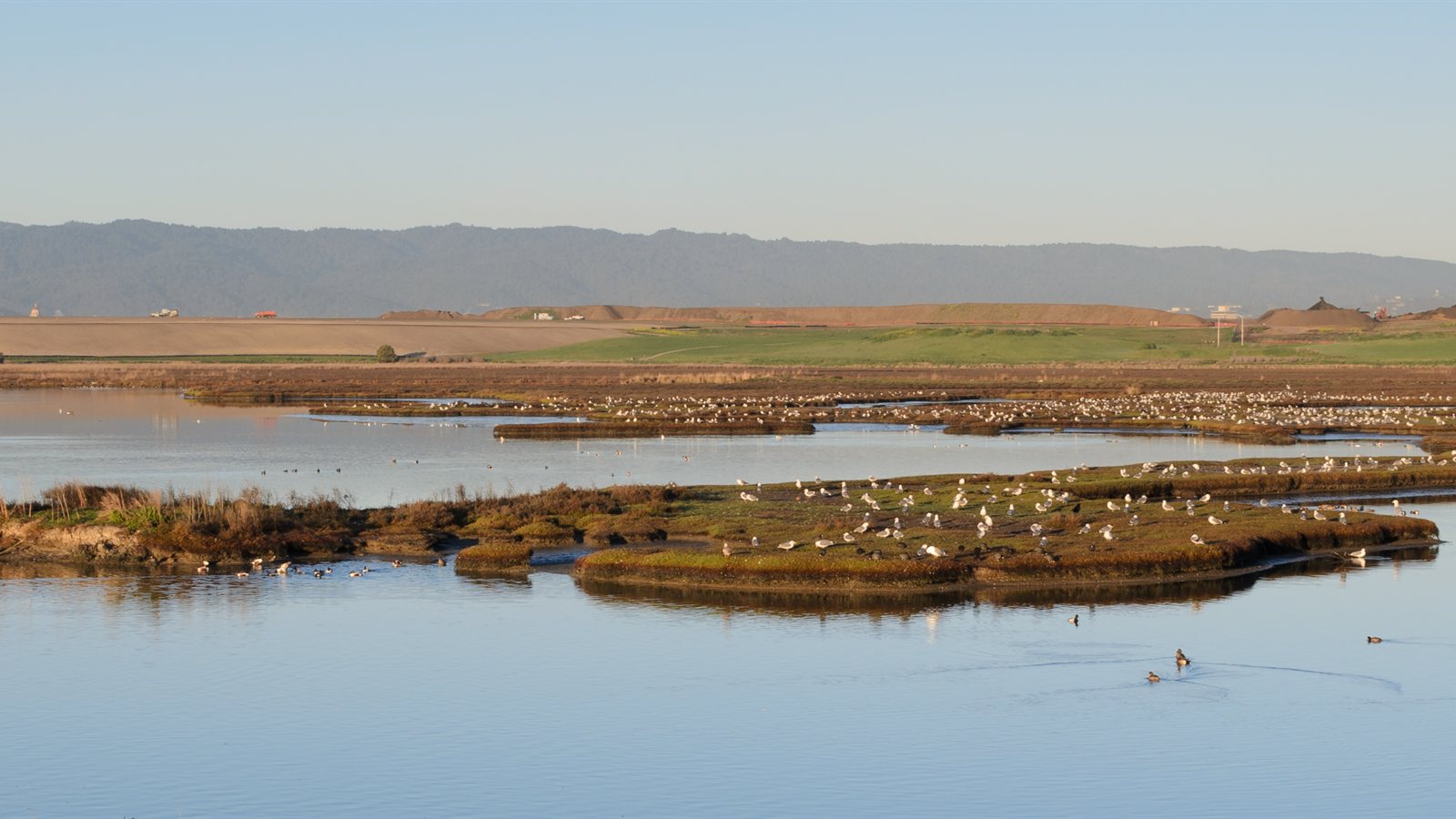
Every estate has a path from its last row of vines to a viewpoint over the reed beds, and the first hour of light is the best of the day: harriers quartering, herons and egrets moving between pools, flamingos on the far lagoon and, in autumn, geese passing overhead. Binoculars are kept at every door. A guide takes a walk out twice a week, and two of the estates have a hide built beside a restored pond that guests may use whenever they like.
Wine You Can Take Home Fairly
Bottles are sold at cellar prices with no visitor mark-up, cases are packed and shipped to most countries at cost, and older vintages from the family library are offered to guests before they appear anywhere else. Nobody is pressured into buying, tastings are charged at a modest fixed fee that is refunded against any purchase, and if a wine is not to your taste the honest recommendation of a neighbour's bottle is given without hesitation.