NW Nightwater Lagoon Tours Channels · Islands · After dark
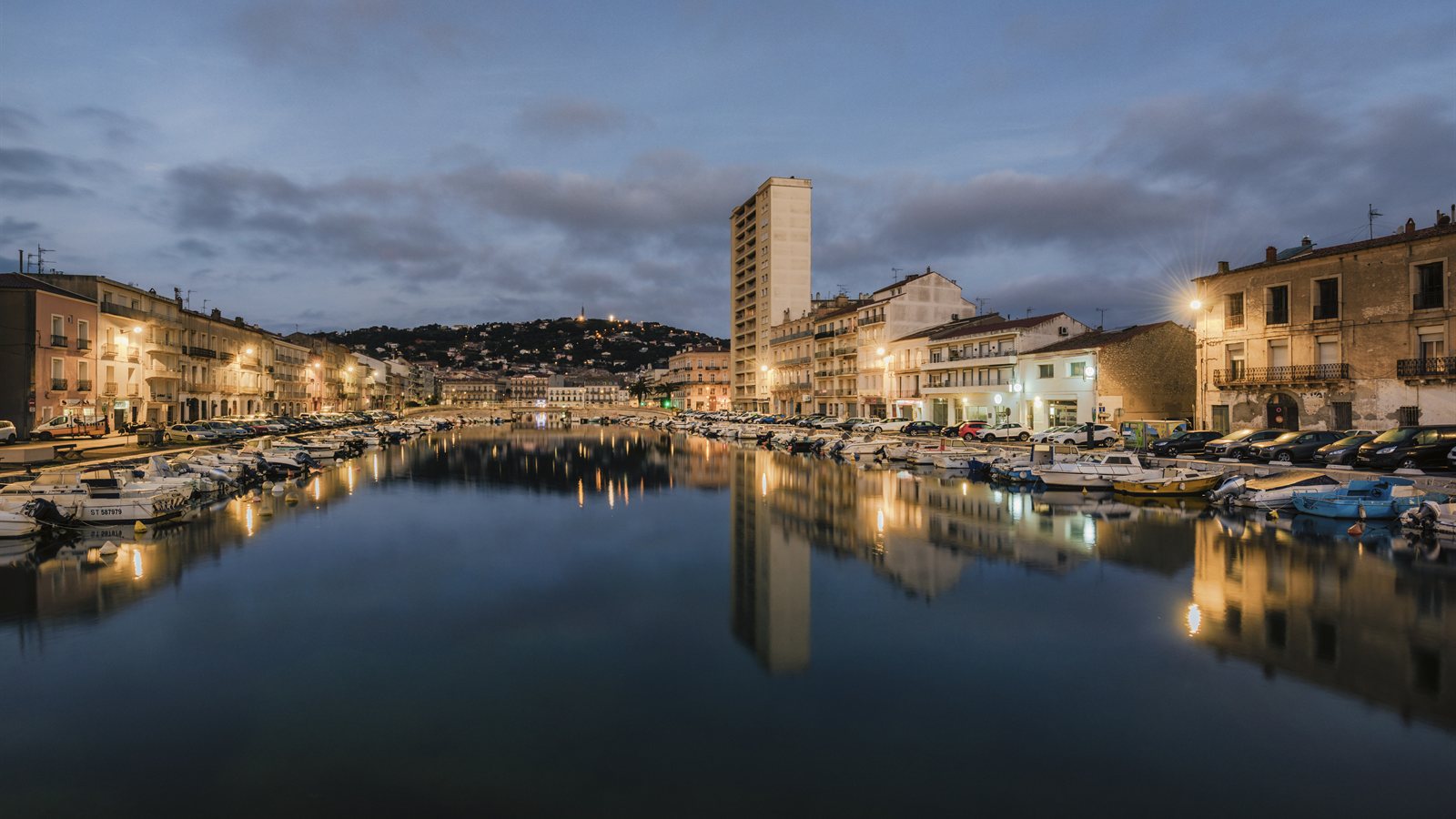
Harbour basin reflecting town lights during the blue hour

Departures at four, at seven, and after dark

Lagoon Excursions by Day and Long Tours by Night

The lagoon is two entirely different places depending on the hour. In daylight it is a working landscape of fishing valli, island villages, market boats and shallow channels marked by wooden poles. After sunset it becomes silent, unlit and enormous, with the water holding the last colour long after the sky has lost it and the towns glowing on the horizon like small fires. We run small wooden boats across both versions, with skippers who were born on these islands and groups of no more than eight.

About us

Skippers From the Islands, Boats From the Yard Next Door

Everyone who drives for us grew up in one of the lagoon villages, and most of them fished or worked the valli before they ever carried a passenger. That is not a marketing line: navigating a lagoon at night, outside the marked channels, with a shifting bottom and no lights, is something learned over decades rather than from an app. It is also why our tours can go where the large excursion boats cannot — into the shallow northern channels, behind the fish farms and up to island landings that take a metre of draught at most.

The boats were built two kilometres from our mooring in a yard that has made lagoon craft for four generations: flat-bottomed wooden hulls with low freeboard, quiet electric or small diesel engines, canopies for sun and rain, and seating for eight arranged so that everyone faces outward. They are slow by design. A fast boat crosses the lagoon in twenty minutes and shows you nothing; ours takes two hours and stops wherever something is happening.

We work closely with the communities we visit rather than passing through them. Landings are agreed and paid for, groups are small enough not to fill a village square, visits are timed to avoid the hours when residents want their island back, and the restaurants we use are family-run and open all year. A share of every ticket funds the maintenance of the wooden channel markers, which the lagoon authority no longer replaces everywhere.

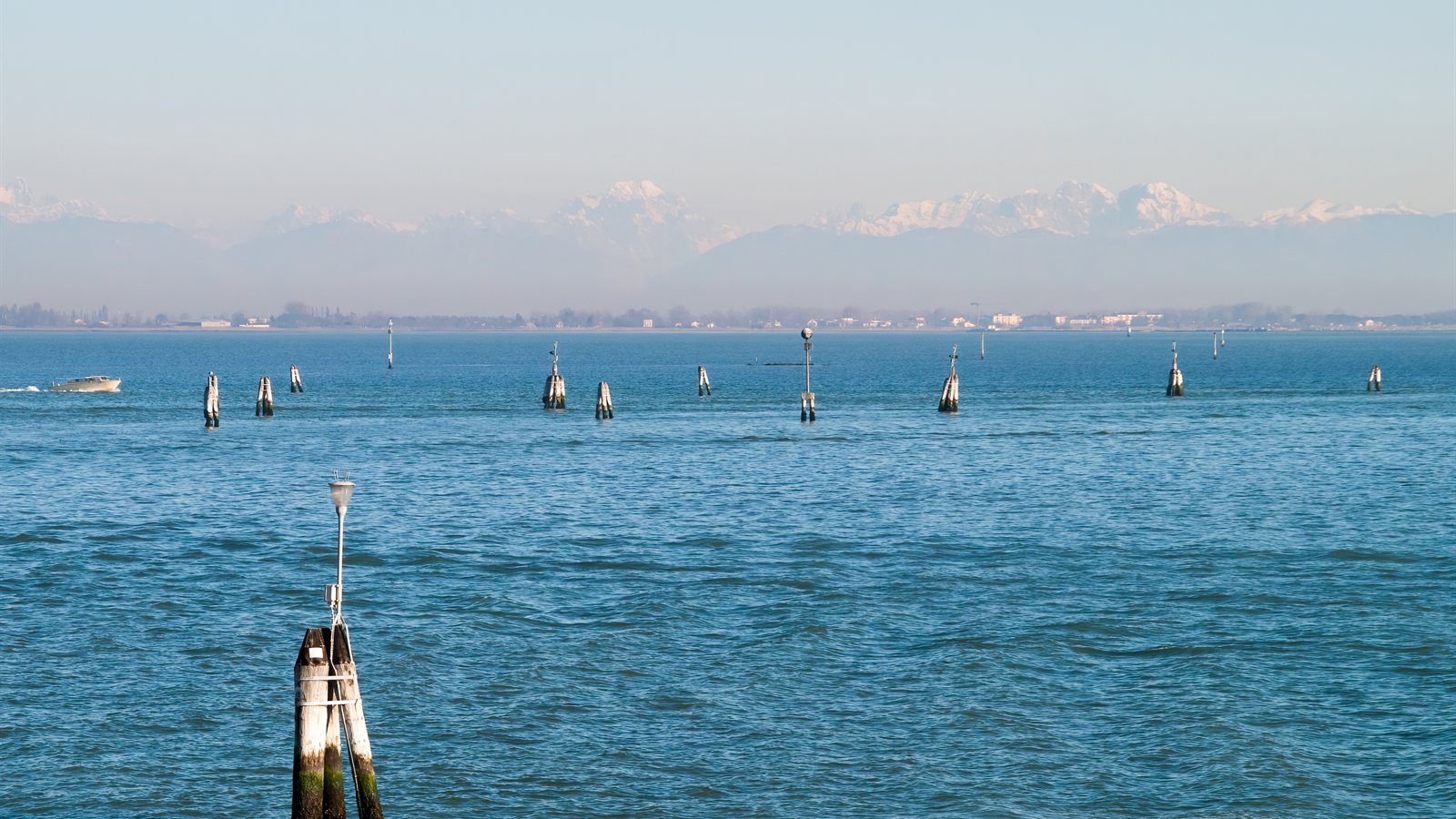
Lagoon water with wooden channel markers and distant mountains
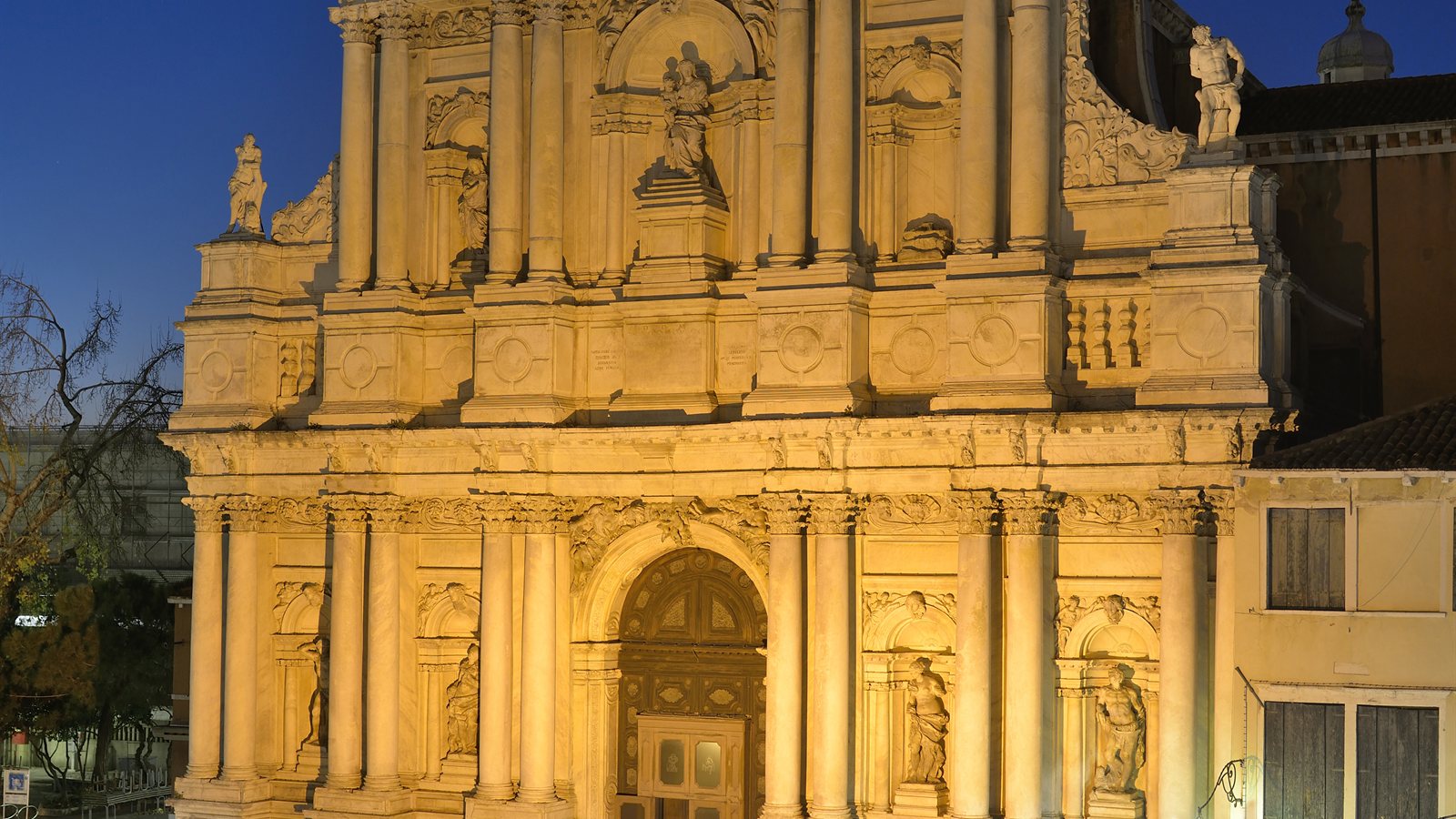
Illuminated historic church reflected in a canal at night

Advantages

Why a Small Boat Beats a Big One

Six reasons these excursions look nothing like the ones sold on the waterfront.

Eight Passengers, Not Eighty

A boat with eight people on board can stop when a fisherman is lifting nets, turn back for a heron, land at a jetty that would not hold a crowd and stay quiet enough to hear the water against the hull. Everybody sits at the rail, everybody can talk to the skipper, and nobody spends the trip looking at the back of someone's head. It also means the villages we visit are not overwhelmed: eight visitors walking through a square at six in the evening is a different event from a hundred arriving at once.

Access to the Shallow Lagoon

Most of the lagoon is under a metre deep, which is precisely why the big excursion boats stay on three marked routes. Our flat-bottomed hulls draw very little and our skippers know the unmarked channels, so trips reach the northern islands, the abandoned monastery landings, the fishing valli with their wooden huts and the sandbanks where terns nest. Passengers see a working, inhabited landscape rather than a postcard route, and in four hours often pass no other tourist boat at all.

Night Navigation Done Properly

Night tours are the heart of what we do, and they demand real preparation: skippers with local night experience, radar and plotter as backup rather than as primary navigation, powerful hand lamps kept off the water except when needed, life jackets with lights, a shore contact tracking every boat and a hard limit on wind and visibility. Passengers get warm blankets, a thermos and complete silence when the engine goes off in the middle of the lagoon. It is the single thing guests write about afterwards.

Skippers Who Explain the Place

Commentary is not a recorded script but a conversation with someone whose family has lived here for generations: how the valli are flooded and drained, why the poles lean the way they do, which island lost its population and when, what the tide does to the channels, and where the fish go in August. Guests ask questions and get real answers, including uncomfortable ones about tourism, subsidence and the barrier system. Nobody sings, and nobody is asked to wear a numbered sticker.

Comfort on Long Trips

Boats carry cushioned seating with backrests, a canopy against sun and rain, blankets and hot drinks after dark, cold water and fruit in summer, dry bags for cameras and a small toilet on the two larger craft. Boarding is from a low pontoon that most people manage easily, and one boat is fitted for wheelchair access with a ramp and a secured position. Trips of four hours or more include a stop ashore with a proper meal rather than a packet of biscuits.

Respect for a Fragile System

Wash from fast boats erodes the salt marshes that hold the lagoon together, so we travel slowly and use electric propulsion in the shallowest areas. Nesting islands are given a wide berth in spring, engines are cut near bird colonies, no waste of any kind leaves the boat, and lamps are never shone at roosting birds. We fund the upkeep of channel markers, take part in the annual marsh replanting and publish what those contributions paid for at the end of each season.

Services

Excursions We Run

Daytime island routes, evening departures, full night crossings, private charters and photography boats.

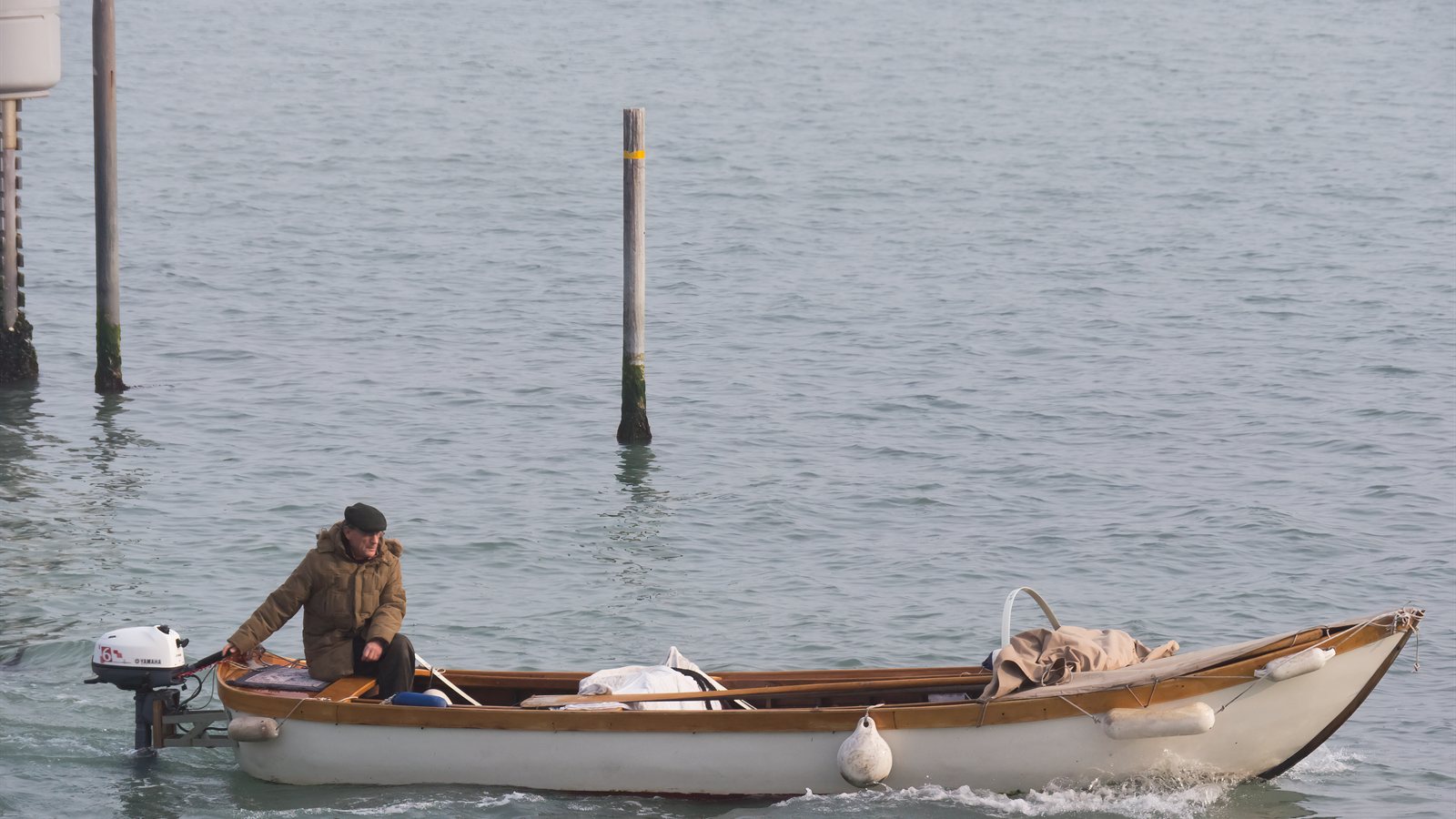
Traditional boats moored along a lagoon waterfront

Island Day Excursions

Four to six hours crossing the lagoon to two or three inhabited islands, with time ashore at each for a walk, a church, a workshop and a coffee. Routes avoid the crowded circuit and include a fishing valle, a stretch of open water and a landing that larger boats cannot use. Departures run in the morning and mid-afternoon, groups stay at eight, and a meal at a family restaurant can be included. Water, fruit, blankets and rain covers are always on board.

Evening and Sunset Departures

Two-and-a-half-hour trips leaving ninety minutes before sunset, crossing to the far side of the lagoon as the light drops and returning through the channels with the towns lit on the horizon. The engine is cut in open water for twenty minutes of complete quiet, and something cold or hot is served depending on the season. These are the departures that sell out first in summer, and we run two boats on clear evenings rather than increasing the group size.

Full Night Crossings

Departures at ten at night for three to four hours across the dark lagoon, reaching an uninhabited island landing, drifting under the stars away from any light, and returning through the illuminated canals well after midnight. Blankets, warm drinks, life jackets with lights and a full safety briefing are standard, the group is capped at six, and trips run only when wind and visibility allow. Minimum age is twelve. It is the closest thing to silence available anywhere near a city.

Private Charters and Transfers

Any boat can be taken privately for a family, a small group or a couple, with the route, timing and pace decided together — a slow lunch on an island, a fishing morning with a local, a proposal at sunset in an empty channel, or a straightforward transfer to a restaurant that has no road access. Skippers speak Italian and English, catering is arranged with the island kitchens, and pick-ups can be made from most public landings in the city.

Photography and Filming Boats

Low, stable boats with clear sightlines, a fixed tripod mount, bean bags and skippers who understand holding a position against tide and wind. Sessions are timed to the light rather than to the clock: blue hour on the water, first light behind the barene, or a long night exposure with the boat anchored and the engine off. Groups are limited to four. We regularly work with agencies, publishers and documentary crews and can arrange permissions for restricted areas.

Birdwatching and Seasonal Trips

Spring and autumn departures with a naturalist to the sandbanks and salt marshes where terns, avocets, spoonbills and flamingos feed, keeping to distances agreed with the reserve. Winter trips follow the wildfowl concentrations and often have the whole lagoon to themselves. Telescopes and binoculars are supplied, and species lists go to the regional survey. We also run occasional trips tied to local events, tides and traditional fishing days that visitors would otherwise never see.
Contacts

Departures and Bookings

Tell us your dates and we will say which departures have places, what the weather is likely to allow and whether the night trip is realistic that week. Night crossings depend on wind and visibility and are confirmed the same afternoon.

Private charters, photography boats and film production enquiries go to the same office.

Office

Piazza Venezia 11, 00187 Roma, Italy

Phone

+39 06 6994 5137

Season

March–November; office daily 09:00–21:00