MB Marisma Bird Tours Mudflats · Salt pans · Marshes
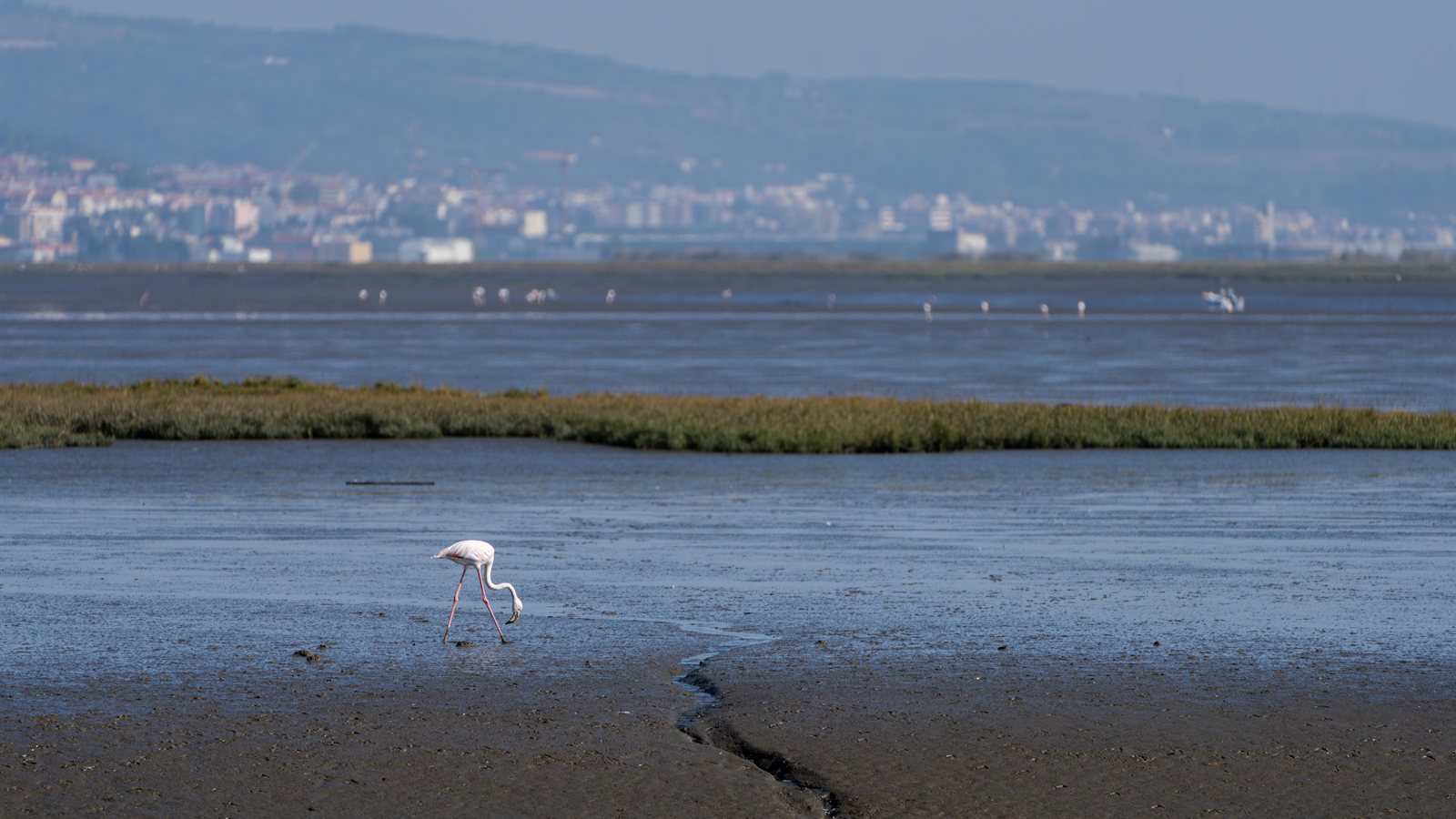
Flamingo feeding on estuary mud with a city on the far shore

Tides · Roosts · Migration

Estuary Tours and Birdwatching Excursions

One estuary, three salt-pan complexes, a river marsh and a stretch of open coast — together they hold flamingos, spoonbills, avocets, terns, and wader flocks that run to tens of thousands in autumn. We guide across all of it, timed to the tide rather than the clock, from a two-hour introduction for people who have never used binoculars to a full week following migration. Telescopes, binoculars and transport are provided, groups are small, and we tell you before you book what is realistically present that week.

About us

A Guiding Service Built on Twenty Years of Counts

The people who lead our tours are the same ones who carry out the monthly waterbird counts across this estuary for the national scheme. That work — standing in the same place at the same state of tide, month after month, in weather nobody would choose — is what produces the knowledge a guided morning depends on: where a species roosts at spring tides, which pan is drained in July, how a week of easterly wind changes what arrives, and which corner holds the rarity that turns up most years.

Access matters as much as knowledge. Large parts of the best habitat sit inside working salt pans, private marsh and a hunting reserve, none of it open to the public. Two decades of survey work, cooperation and careful behaviour have earned written permission to bring small groups into several of these areas at agreed times. We treat that access as fragile: numbers are capped, timings are respected to the minute, and any guest who cannot follow the rules is not brought back.

Beyond guiding we run the ringing station's autumn sessions, maintain two hides jointly with a local society, submit every record to the national database and publish an annual summary of what the estuary held. A fixed share of each booking funds hide repairs, telescope replacement for the volunteer counters and the fencing that keeps vehicles off the nesting beach.

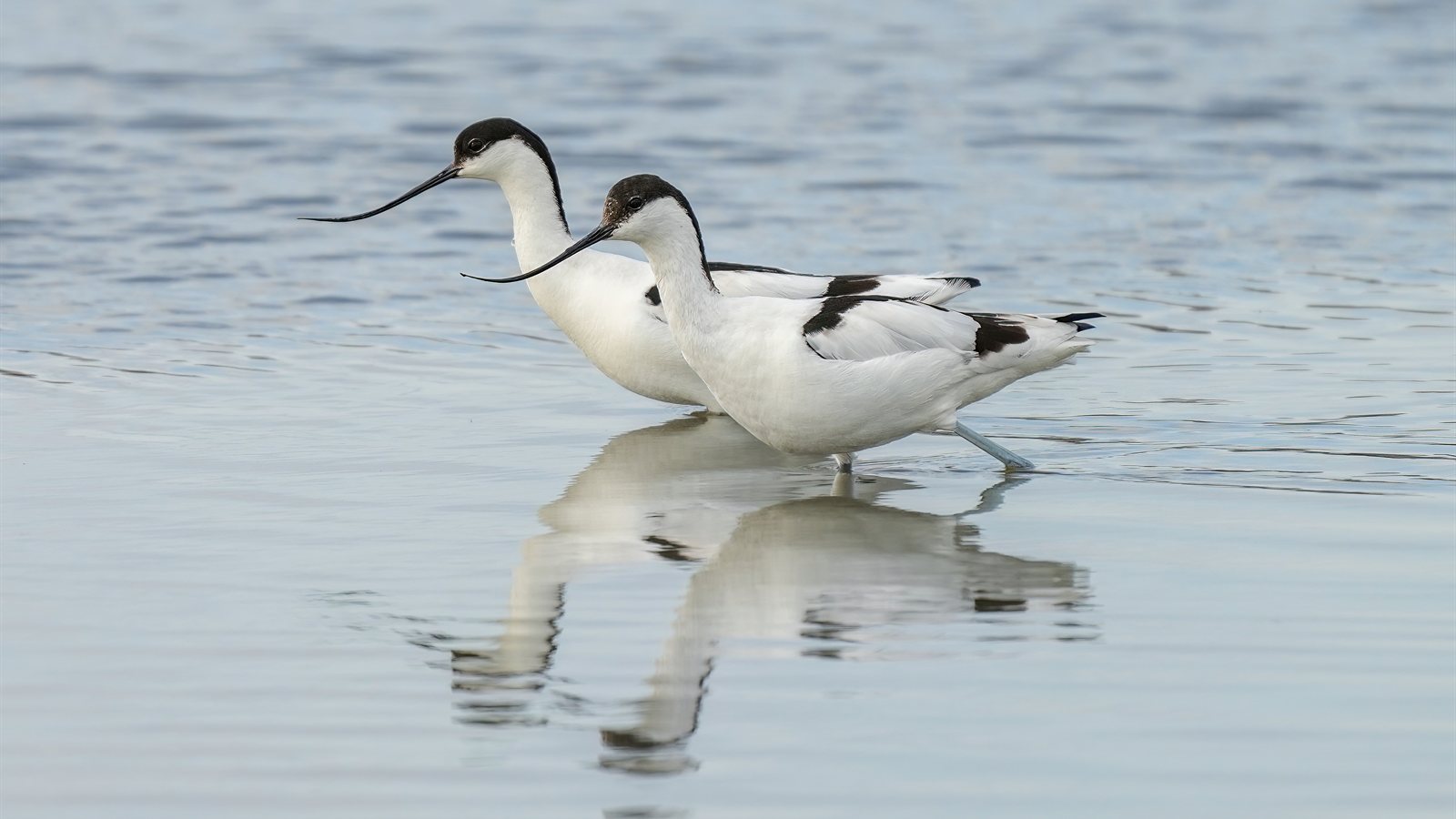
Pied avocet feeding in shallow brackish water
Wide estuary mouth with sandbanks under a big sky

Advantages

What You Get From a Local Guide

Six reasons a guided day here produces more than a week spent working it out alone.

Timing Instead of Luck

On an estuary the tide decides everything. Two hours either side of high water the birds are pushed onto a handful of roosts and can be watched in enormous concentrations; at low water they scatter across kilometres of mud and become distant specks. Every tour we run is planned from the tide table weeks ahead, and the meeting time moves through the month accordingly. Guests who have visited before on their own are routinely astonished at the difference, which is entirely a matter of standing in the right place at the right hour.

Areas You Cannot Enter Alone

The working salt pans, the private marsh and the reserve's inner zone are closed to general access, and they hold most of the breeding terns, the flamingo concentrations and the best wader roosts. We have written agreements to bring small groups in at defined times, with vehicles left outside and movement restricted to agreed tracks. Nothing about this is a shortcut: it exists because our guides have counted these areas for two decades and the owners trust them to behave.

Honest Expectations

Anyone who writes to us with a target species is told plainly whether that bird is likely, possible or absent in the month they intend to visit. Nobody is sold a week in July on the promise of migration that peaks in September. Where a species is genuinely reliable we say so; where it depends on wind and luck we say that instead. This costs bookings and produces the reviews that bring the next ones, because guests who are told the truth are almost never disappointed on the day.

Teaching, Not Just Pointing

Our guides work through a flock methodically and explain what they are doing: judging size against a known species, reading structure and feeding action before plumage, using calls to narrow a search, and recognising how the light and the heat haze change what a bird looks like at three hundred metres. Beginners leave able to identify a dozen species unaided, which matters far more than a long list. Experienced birders get moult, ageing, subspecies and the local identification traps.

Equipment and Comfort Provided

Every tour carries two telescopes on tripods and enough good binoculars for the whole group, plus folding stools, sun shade, water, fruit and hot drinks in winter. Vehicles are air-conditioned with the windows arranged for viewing, and the walking on most tours is short and level. Two of our regular routes are fully accessible, with a hide reachable by wheelchair and viewing slots at seated height. We tell you exactly how much walking each tour involves before you book.

Birds Ahead of Everything

No group approaches a roost closer than the distance at which birds start to shift, playback is never used, breeding colonies are viewed from fixed points and drones are prohibited on every tour. Guests are told why in two sentences at the start. Every record goes into the national monitoring database, and a fixed share of each fee funds hides, fencing and equipment for the volunteer counters — so a visit contributes to the estuary rather than merely consuming it.

Services

Tours and Programmes

Half-days, full days, boat sessions, photography, migration weeks and private guiding.

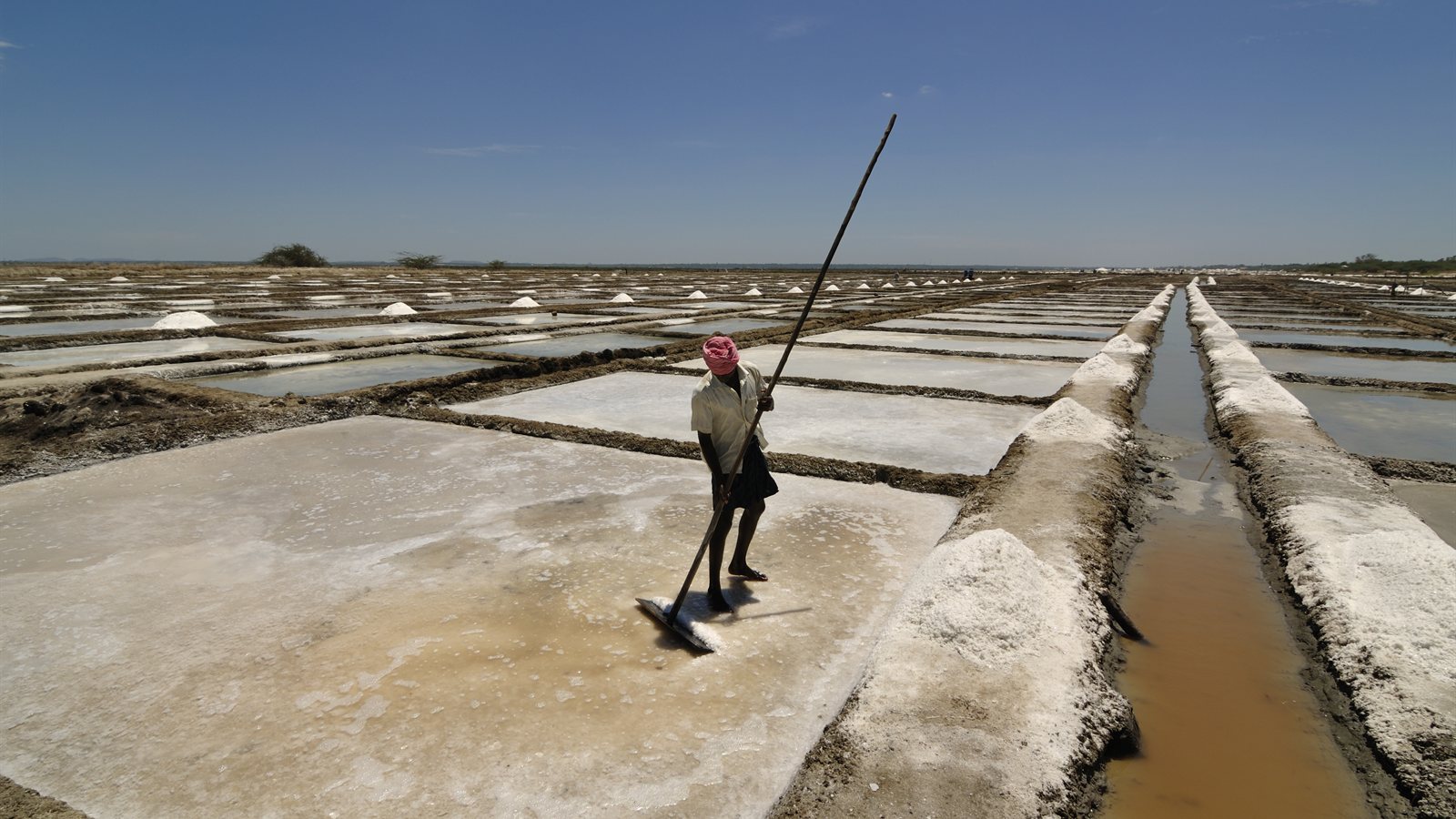
Geometric salt pans reflecting the sky

Half-Day Estuary Tours

Four hours timed around high water, visiting two or three habitats — a roost, a salt pan and a stretch of marsh — with transport between them and very little walking. Telescopes and binoculars are supplied, groups are capped at eight, and the guide adjusts the route on the morning according to wind and water level. Suitable for complete beginners and for experienced birders wanting local knowledge quickly. A written list of everything seen is emailed the same evening.

Full Days and Migration Weeks

Full days cover the whole estuary system with four or five stops timed to the tide, including areas closed to public access. Migration weeks in spring and autumn add the coastal watchpoint, the ringing station and the inland steppe edge, moving accommodation once and running from dawn to dusk for those who want it. Weeks are limited to six participants and typically record between one hundred and sixty and two hundred and twenty species.

Boat Sessions on the Channels

A shallow-draft boat with an electric motor takes four passengers into the tidal channels at first light, approaching islands and mud banks that cannot be reached on foot. Sessions last three hours with the engine off for most of them, and are timed for calm mornings and rising tides. The boat carries a scope on a fixed mount and bean bags for cameras. Terns, spoonbills, ospreys and large gull roosts are the usual subjects, always at an agreed distance.

Photography Guiding and Hides

Sessions built around light and approach rather than species counts, using two fixed hides, a portable ground hide and the boat. A guide advises on where the sun will be, how the birds will move as the tide fills and what distance is acceptable, then stays out of the frame. Groups are capped at three. Multi-day photographic programmes with accommodation, transfers and evening editing sessions can be arranged, and we work regularly with agencies and publishers.

Courses and Survey Volunteering

Weekend courses in wader identification, gull ageing, counting methods and using a telescope properly, taught in groups of eight with all equipment provided. Volunteers can join the monthly counts, autumn ringing sessions, hide maintenance and nesting-beach fencing days, with training and lunch supplied. Several of our current guides began as volunteers on those days, and everyone who contributes appears by name in the annual report.

Private Guiding and Group Tours

A guide can be booked privately by the half day, day or week for individuals, families or societies, with the programme written around specific targets, mobility requirements or a photographic idea. We also guide visiting tour leaders on reconnaissance and act as ground agents for foreign operators, handling permits, vehicles, accommodation and restricted-area access. Groups of up to sixteen are split between two guides and two vehicles rather than run as one convoy.
Contacts

Dates, Targets and Booking

Write with the dates you can travel and the birds you hope to see. We will answer with what is realistically present, which tides work that week and how many days are worth booking — including the times when the honest answer is to come in a different month.

Societies, tour operators, photographers and volunteers should use the same address.

OfficePlaza de la Puerta del Sol 7, 28013 Madrid, Spain
Phone+34 91 366 41 92
SeasonAll year; office daily 08:00–19:00