Riverbed Eco Camps Pitches · Cabins · Delta villages

No cars inside · Shade on every pitch

Eco Villages and Campsites in the Deltas

Five small sites in the flat country where the rivers spread out and slow down: grass pitches under poplars, timber cabins on low platforms, a handful of canvas lodges, and a village square with a bread oven at the centre of each. Cars stay at the gate and everything inside moves by bicycle, trolley or on foot. Showers are hot, power is solar, water is drawn from a tested borehole and every site sits within a few minutes of a swimming spot, a cycle route and a channel where a canoe can be launched.

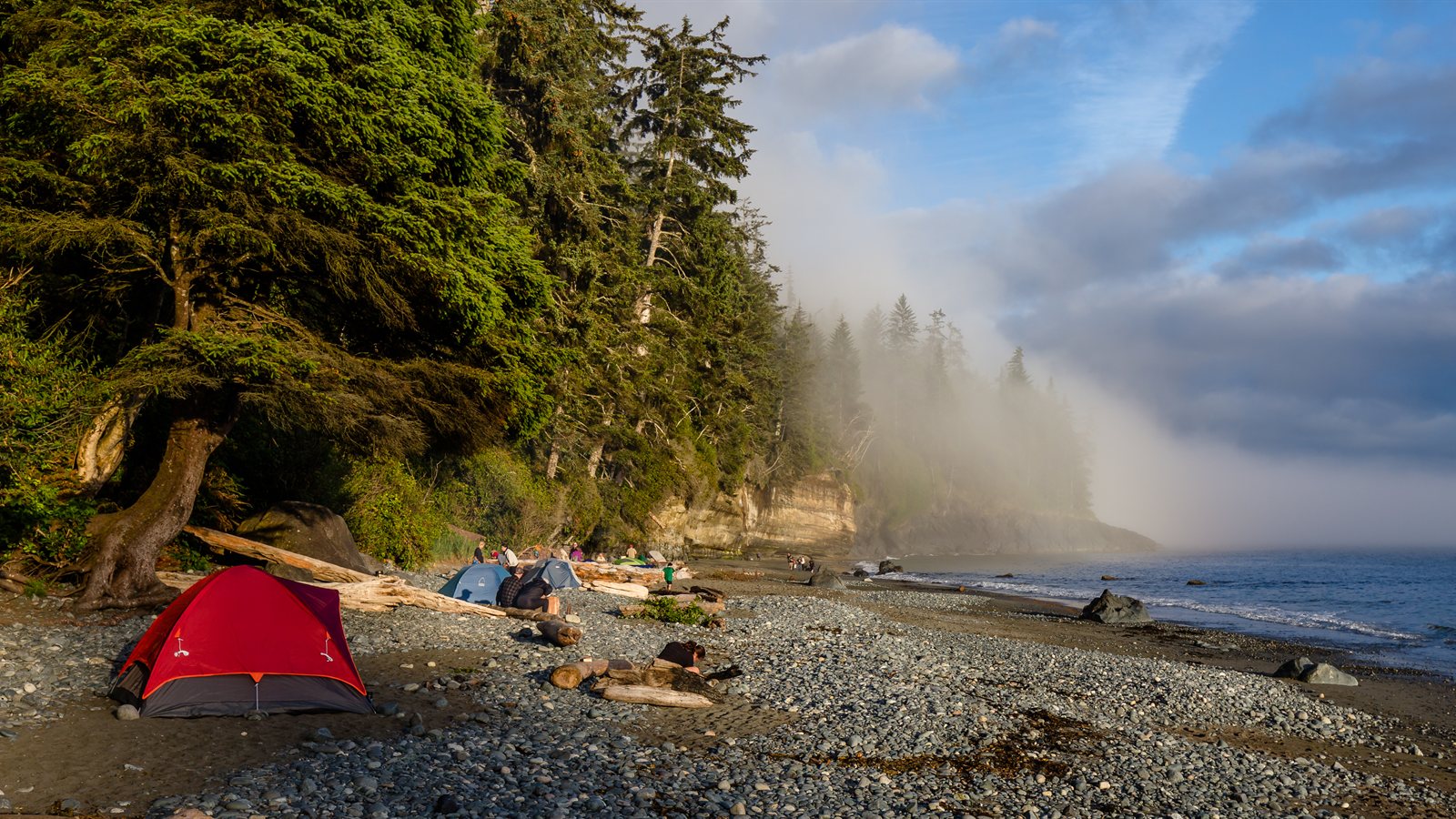
Tents pitched on a pebble shore beside forest and drifting mist
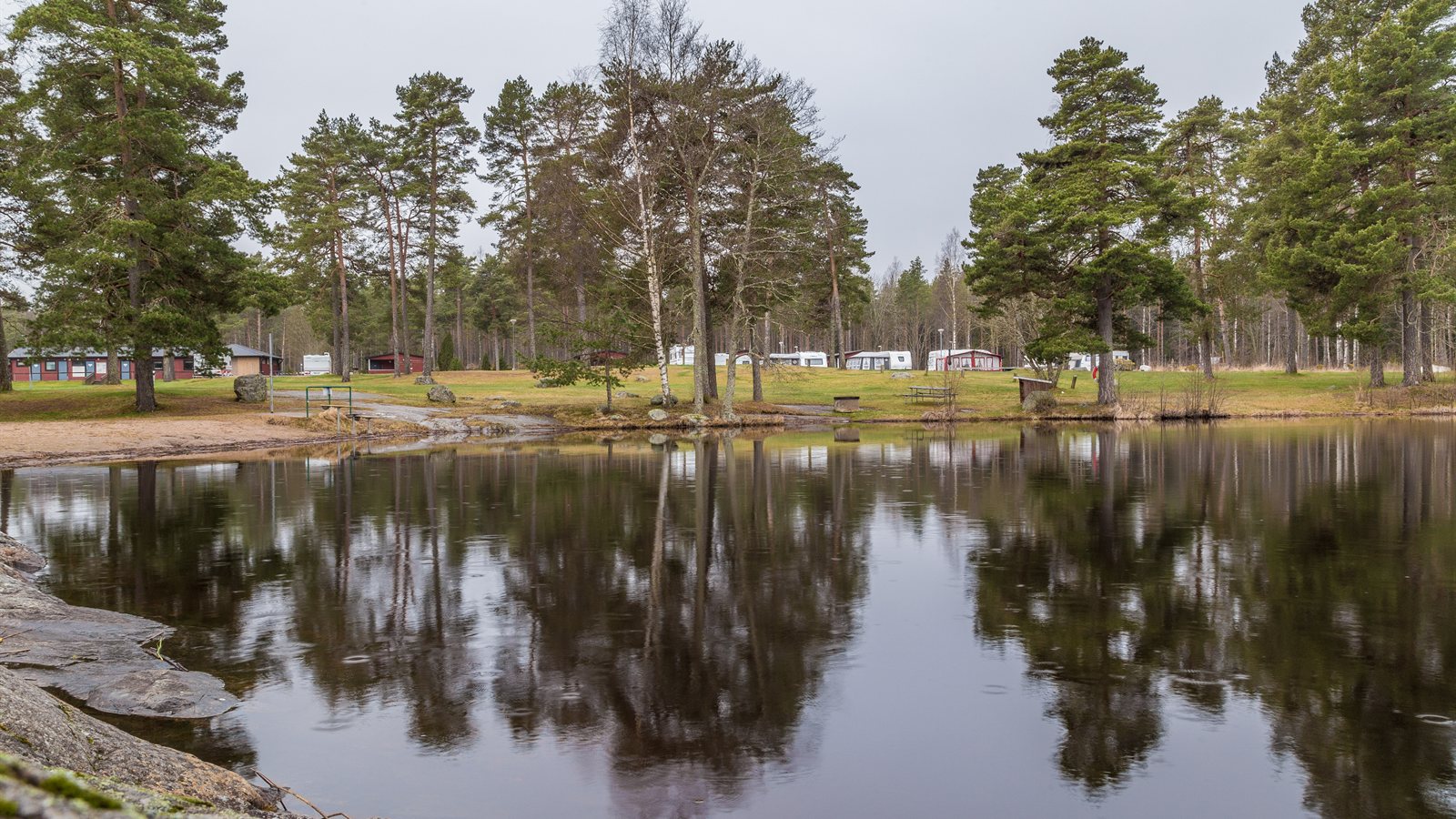
Quiet campsite among pines reflected in still water

About us

Campsites That Behave Like Small Villages

The first site was an abandoned poplar plantation that flooded twice a decade and could never be built on. That turned out to be an advantage: instead of concrete pitches and a swimming pool, it became a place with grass, shade, a communal square, a bread oven, a shop selling what the neighbouring farms produce, and no vehicles beyond the barrier. Guests stayed longer than at conventional campgrounds and behaved differently, and the four sites that followed were all built on the same principle.

Everything is designed for a landscape that floods. Cabins and lodges stand on low platforms above the recorded high-water mark, service buildings are raised, drainage runs to reed-bed filtration, and the site plan keeps the lowest ground as meadow rather than pitches. Power comes from solar arrays with battery storage, water from a tested borehole, hot water from solar thermal panels with a wood-fired backup, and waste is separated on site with a composting operation that supplies the vegetable garden.

The sites are run by people who live in the villages around them, and the shops sell bread, cheese, wine, fruit and vegetables from farms within a few kilometres. We maintain twenty kilometres of cycle path with the municipalities, keep two canoe launch points clear, plant a section of riverbank hedge every winter and run bird counts with a regional association. None of this is decoration; the sites exist because the delta is worth spending a week in.

Advantages

Why Families Book the Same Fortnight Each Year

Six things that make a delta campsite work better than a coastal one, and better than it has any right to.

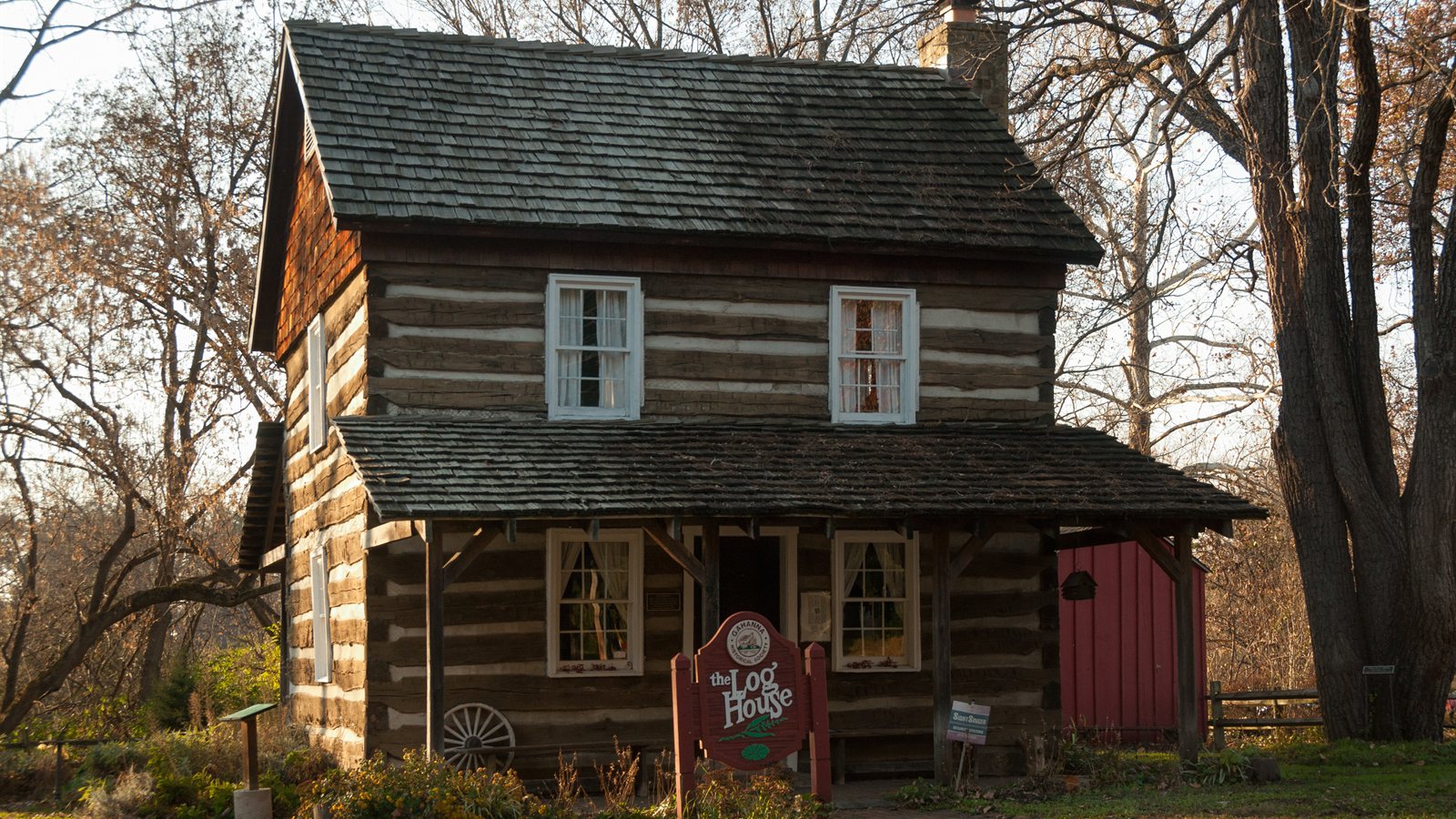
Timber log cabin standing among trees

No Cars Beyond the Gate

Vehicles stay in a shaded car park outside the barrier and everything inside moves on foot or by bicycle, with trolleys and an electric buggy available for luggage, shopping and anyone with mobility difficulties. Parents let children roam from the first evening, which changes the whole atmosphere of a holiday: bicycles are left lying anywhere, the square fills with games after supper, and nobody is woken at six by an engine. Deliveries and emptying happen through a service track at the edge of the site, timed for the middle of the day.

Real Shade on Every Pitch

Poplar and willow plantations gave us a canopy that would take thirty years to plant, and every pitch sits under it. In August, when coastal sites are baking, the temperature under the trees is several degrees lower and a tent stays usable through the afternoon. Pitches are generous, marked by hedge rather than by paint, and each has its own water point, drainage and electricity where wanted. The lowest, dampest ground is kept as meadow and mown for hay rather than sold as camping space.

Facilities Better Than Expected

Hot showers with proper pressure at every hour, individual cubicles rather than communal rooms, family bathrooms with a bath for small children, accessible facilities at each block, a laundry with three machines and a covered drying area, dishwashing sinks with hot water and a fully equipped communal kitchen. Everything is cleaned three times a day in season and checked by the manager rather than a sign on the door. The showers are the single most mentioned item in reviews, which says something about the competition.

Food Worth Staying In For

Each site has a shop selling bread baked in the village that morning, cheese from a farm down the road, fruit and vegetables from the site garden or its neighbours, local wine, pasta, coffee and the practical things people forget. The bread oven in the square is lit twice a week for anyone who wants to use it, a cook serves a simple supper three evenings a week, and a pizza night runs on Fridays. Prices are ordinary rather than captive-audience, which guests notice immediately.

The Delta on the Doorstep

Twenty kilometres of flat, traffic-free cycle path start at each gate, running along embankments, past lagoons and into two villages with cafés. Canoes and paddleboards launch from a channel five minutes away, a swimming spot with a shelving sand entry sits within walking distance, and a hide overlooks a lagoon where flamingos, herons and marsh harriers are routine. Bikes, trailers, child seats and canoes are hired on site, and route cards are handed out free at reception.

Genuinely Low Impact

Solar arrays with battery storage cover most of the electrical demand, hot water comes from solar thermal panels, waste water passes through reed beds, organic waste is composted on site for the garden, and everything sold in the shop that can be sold loose is sold loose. Structures are timber on low platforms and could be removed without trace. We publish annual figures for generation, consumption, water use and waste, including the years when the numbers went the wrong way.

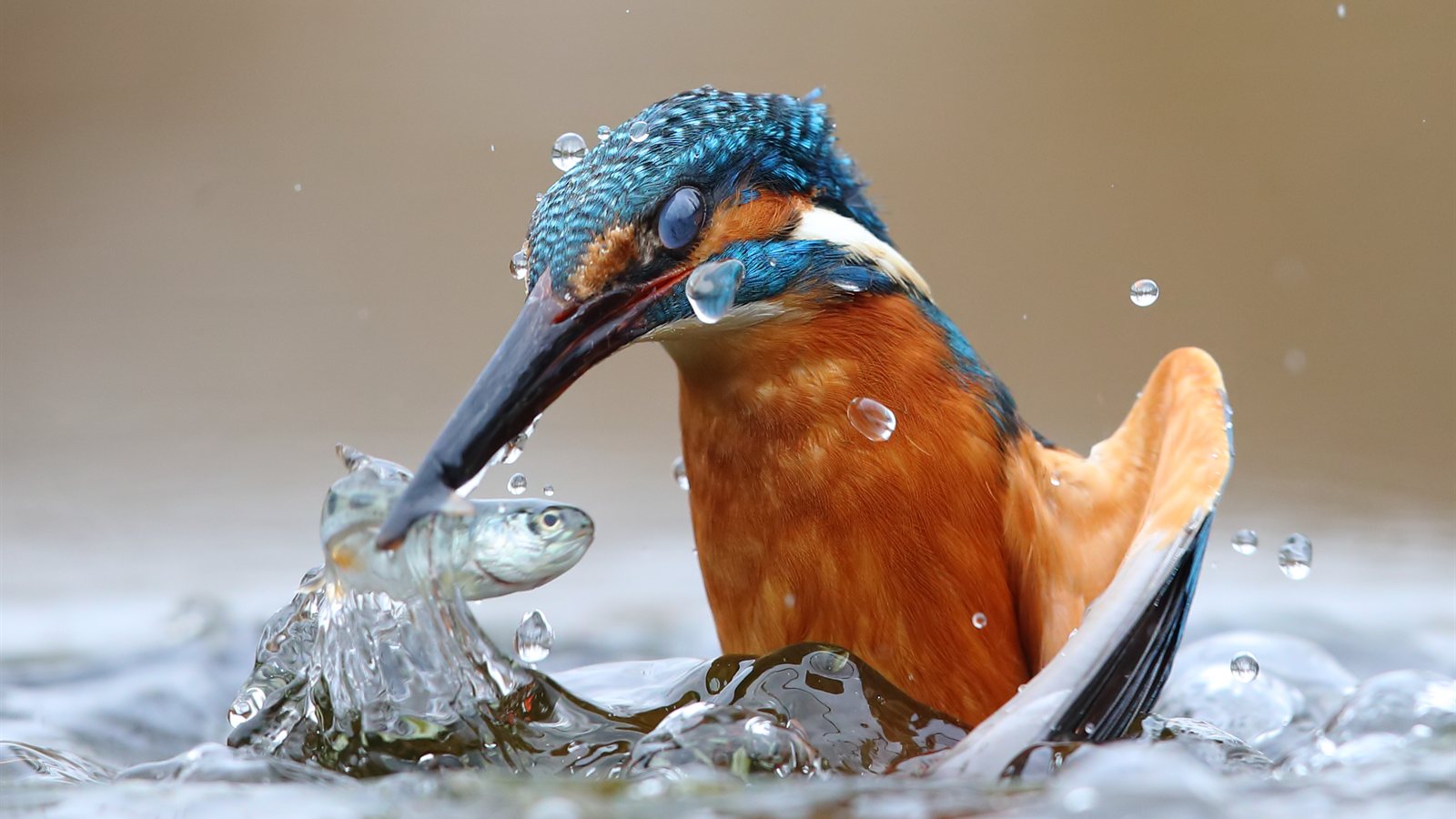
Kingfisher perched above a delta channel

Services

Ways to Stay and Things to Do

Pitches, cabins, canvas lodges, hire, activities and long stays outside the season.

Grass Pitches

Generous pitches for tents, campervans and caravans, all under tree cover, separated by hedge and supplied with water, drainage and optional electricity. Prices include showers, the communal kitchen, the laundry area, drinking water and use of the square, the bread oven and the play areas. Quiet pitches away from the family zone are available for those who want them, and a separate meadow is kept for cyclists and walkers arriving without a vehicle, bookable on the day for a low fixed fee.

Timber Cabins and Canvas Lodges

Cabins sleeping two to six with a kitchen, shower room, veranda and wood stove for the cooler months, plus canvas safari lodges on platforms with proper beds, a cooking area and a shaded terrace. Bedding, towels and a welcome basket are included, and cabins can be booked from two nights in low season. Two cabins at each site are fully accessible, with level entry, wide doors, a wet room and a path to the facilities that a wheelchair can use in any weather.

Bicycle, Canoe and Equipment Hire

Bicycles in every frame size with trailers, child seats and electric options, canoes and paddleboards launched from the channel nearby, plus tents, mattresses, cool boxes, camping chairs and stoves for anyone travelling light. Everything is serviced on site and hired by the day or the week at rates that make a fortnight affordable. Route cards, tide and water-level notes and a shuttle for one-way canoe trips are all included with hire rather than charged separately.

Activities and Guided Trips

A programme runs through the season without ever becoming compulsory: dawn birdwatching at the lagoon hide, guided canoe descents, evening bat walks, farm visits, bread and pasta workshops in the square, a weekly market trip and swimming lessons for children in the shallow bathing area. Most activities are free to guests and the rest are charged at cost. Nothing starts before nine in the morning except the birdwatching, and nothing runs late enough to disturb the pitches.

Groups, Schools and Events

Meadow areas can be reserved for school camps, scout groups, cycling clubs and family gatherings, with a covered kitchen, a fire circle, tents pitched in advance and staff support if wanted. Schools receive a programme covering delta ecology, water management and farming, with risk assessments and insurance documents supplied. Small celebrations can use the square and the bread oven, and we cap group size at a level that does not overwhelm the other guests.

Long Stays and Winter Season

Two sites remain open from October to March with heated cabins, a warm common room, reduced monthly rates and a small shop, which suits cyclists on long routes, birdwatchers following the winter flocks and people working remotely for a season. Seasonal pitches are available for caravans and campervans with winter storage, electricity and a covered work area. Long-stay guests receive weekly linen service, a mail address and help with anything the nearest town requires.
Contacts

Bookings and Directions

Tell us the dates, the number of people, whether you are bringing a tent or would prefer a cabin, and how you are travelling. We will suggest the site that fits, tell you which pitches are still free and explain how to reach the gate by train and bicycle if you would rather not drive.

School groups, clubs, long stays and winter bookings are handled by the same office.

OfficeVia Nazionale 194, 00184 Roma, Italy
Phone+39 06 4890 3517
SeasonThree sites April–October; two open all year