HW Heronwood Lodges Delta stays & bird hides
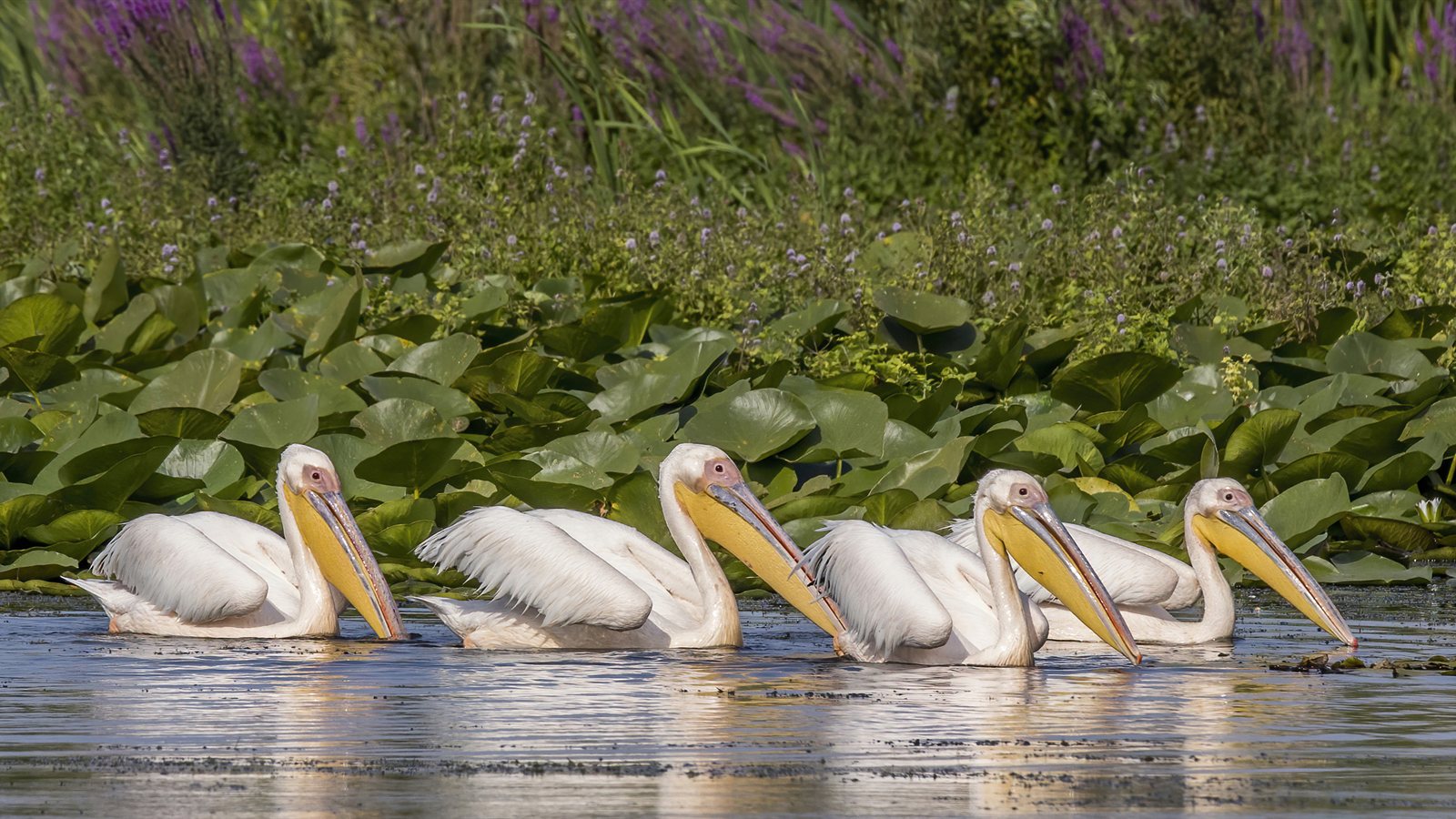
Group of white pelicans swimming past lily pads in a delta channel

Lagoons · Reed islands · Dawn light

Eco Lodges and Bungalows Inside the Delta

Fourteen timber lodges and bungalows stand on low ground between two lagoons, close enough to the reed islands that pelicans pass over the terraces at first light and spoonbills feed within sight of the breakfast table. Rooms are simple and comfortable — mosquito screens, fans, good beds, hot water, a veranda with two chairs and a telescope. Four hides sit within walking distance, boats leave before sunrise, and breakfast is served whenever guests come back in. Everything here is arranged around the two hours at each end of the day when the delta is at its best.

About us

A Lodge Built by People Who Count Birds

The lodge grew out of a ringing station. For years a small group of ornithologists worked here each spring and autumn, sleeping in tents and cooking on a gas ring, and gradually built a few huts so that volunteers could stay dry. Visitors began asking whether they could come too, and the huts turned into bungalows. The ringing station still operates from the same buildings between March and May, which is why the guiding is unusually precise and why our species lists are worth reading.

Construction stayed light. Buildings sit on screw piles above the flood level, timber is local, roofs are reed cut on rotation from the same beds, and nothing is connected to a mains supply: solar arrays with battery storage run lighting, fans, charging points and the pumps, while water comes from a tested borehole and waste goes through reed-bed filtration. The whole site can be dismantled without leaving foundations, which was a condition of the lease and, more importantly, of our own conscience.

Guiding is done by the same people who carry out the counts: a resident ornithologist, two boatmen who have fished these channels since childhood and, in migration season, whichever researchers happen to be in residence. Guests are welcome to watch the ringing, join the counts and see the data. A fixed share of every booking funds the station, the hides and the reed cutting that keeps the lagoons open.

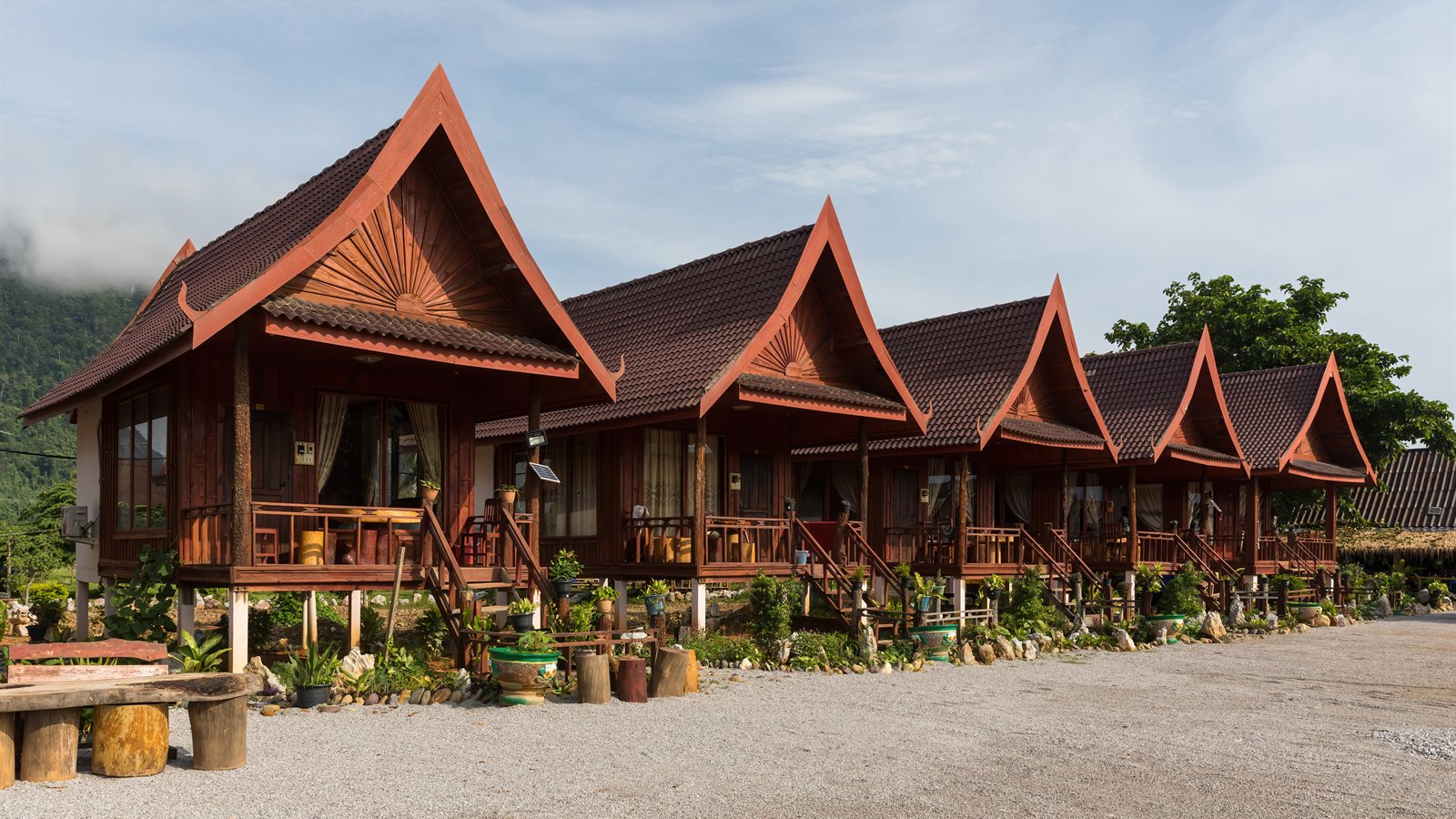
Row of timber bungalows with steep roofs and verandas
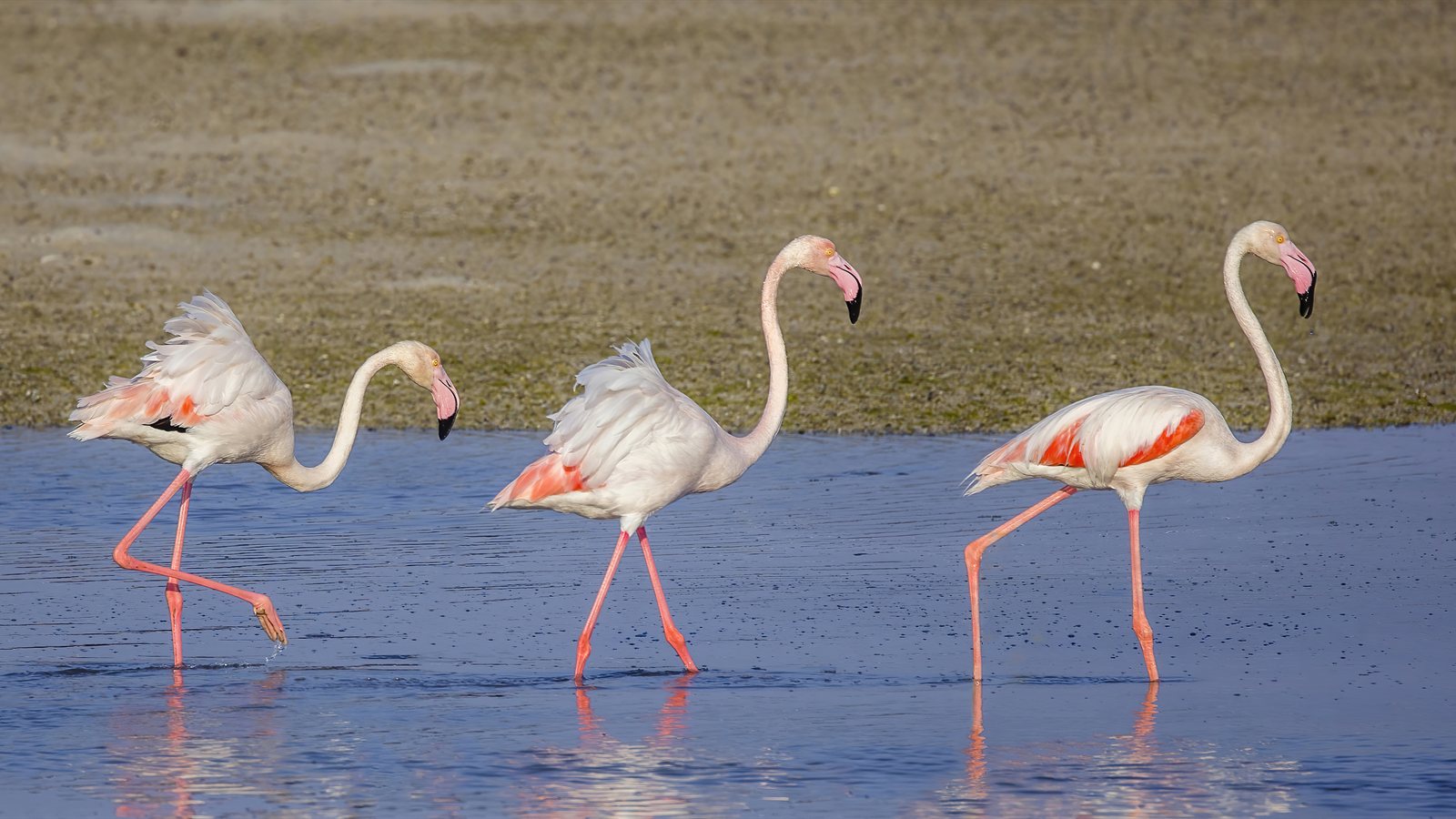
Greater flamingos wading in shallow lagoon water

Advantages

Why Birdwatchers Book a Week

Six things that matter far more than thread count when the reason for travelling is what flies over at dawn.

Inside the Delta, Not Beside It

Most delta accommodation sits in a town on the edge, which means an hour's drive and a boat transfer before any birdwatching begins. Our lodges are inside the protected area itself, between two lagoons, with the first hide four minutes' walk from the verandas. That changes everything about a stay: you can be in position before sunrise without setting an alarm for three in the morning, return for breakfast, sleep through the flat light of midday and go out again at five. Guests routinely record more species in three days here than in a week based outside.

Hides Placed by People Who Use Them

Our four hides were positioned after two seasons of watching where birds actually feed and roost, and each faces the light correctly for the time of day it is intended for: two for morning, one for evening, one for the roost. Approaches are screened, benches are at both seated and standing height, viewing slots take a telescope, and a floating hide can be poled into the reeds for photographers. All four are cleaned weekly, repaired immediately and never locked. Guests can book one for exclusive use at dawn without any extra charge.

Boatmen Who Know the Channels

The delta is a maze that changes with water level, and the difference between a good trip and a wasted morning is entirely down to the person at the tiller. Ours grew up fishing here and can read where the water is still deep enough, where pelicans are feeding this week and which cut will let a boat drift silently towards a colony without pushing birds off. Engines are cut early and the last stretch is poled. Boats carry telescopes, bean bags, drinking water and rain covers, and never approach a colony closer than the agreed distance.

A Timetable Built Around the Birds

Breakfast is served from four in the morning until noon, because that is when people actually want it. Packed food is available for anyone spending the whole morning in a hide, dinner is late, and the kitchen will keep something warm for a group that stays out for the roost. Housekeeping happens in the middle of the day when guests are resting, generators do not exist, and nobody knocks on a door before ten. It is a small thing, and it is the single most common item of praise in the guest book.

Comfort Without Noise or Fuss

Rooms are screened against mosquitoes, fitted with quiet fans, proper mattresses, hot water, drying rails for wet gear and a veranda with chairs positioned for watching rather than posing. Solar power runs charging points for cameras and laptops all night. There is no music anywhere on site, no road within four kilometres, and no light pollution, which makes the night sky a secondary attraction that surprises most first-time visitors. Laundry is done daily, and boots, waterproofs and binoculars can all be borrowed.

Conservation That Is Not Decorative

The ringing station operates here every spring and autumn, breeding colonies are counted annually, reed is cut on rotation to keep the lagoons from closing over, and old drainage cuts have been dammed to hold water later into the summer. Results are published, including the poor years. Guests can watch ringing, join counts, and read the same data we send to the national scheme. A fixed portion of every booking pays for it, and we publish that figure at the end of each season rather than referring vaguely to supporting conservation.

Services

Stays, Trips and Field Programmes

Six ways to use the lodge, from a two-night stopover to a full migration-season residency.

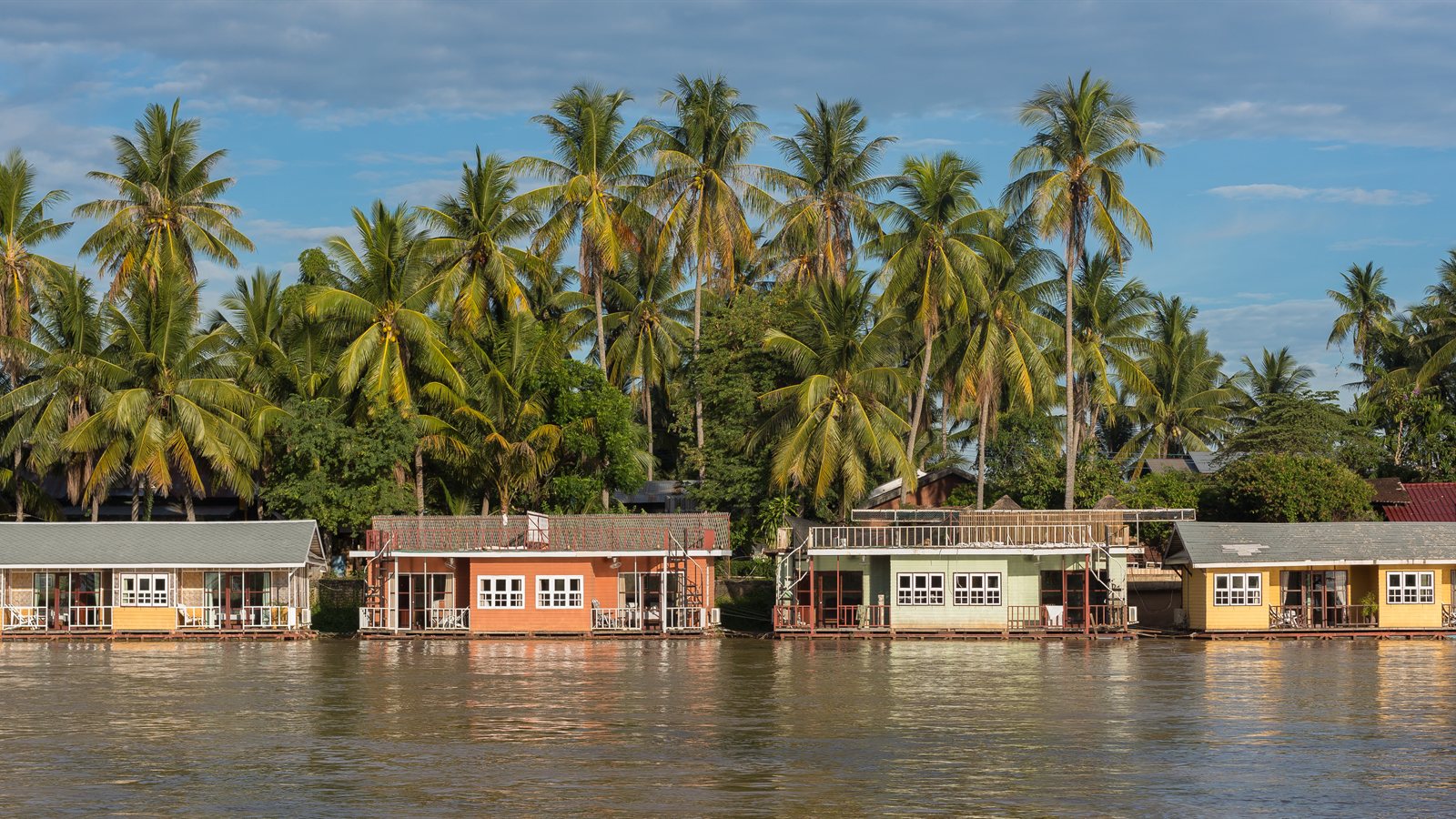
Brightly painted floating bungalows moored along a channel

Lodges and Bungalows

Fourteen units sleeping one to four, from single rooms for solo birdwatchers to family bungalows with two bedrooms and a shared veranda. Rates include all meals, transfers from the nearest town by boat, hide access, loan of binoculars and telescopes, laundry and a daily species board. Rooms are screened, fan-cooled, solar-powered and supplied with hot water at any hour. Stays of three nights or more include one guided boat trip per day, and there is no single supplement outside the peak migration weeks.

Guided Boat Birdwatching

Departures at dawn and in the last two hours of light, with an ornithologist and a boatman, running quietly into the lagoons, channels and reed islands. Trips are capped at six passengers so that everyone has a clear view and a place for a telescope. Routes change weekly with water level and breeding activity. Longer full-day trips reach the outer lagoons and the sandbanks where terns and gulls nest, with a shore picnic and time to walk. Everything recorded goes onto the lodge's list and is sent to guests afterwards.

Photography Hides and Sessions

Two hides and one floating hide can be reserved for exclusive photographic use, with pre-dawn access, ground-level shooting positions, bean bags and a screened approach. Sessions run for a half or full day and include a briefing on light, likely species and ethical distance. Playback and baiting are not permitted anywhere on the site. A guide can pole the floating hide into position and collect you at an agreed time, and charging, dry storage and a drying rail are available in the workshop.

Ringing Weeks and Field Courses

During spring and autumn migration, guests can join the ringing station for a week: net rounds at dawn, handling under licence for those qualified, data entry, and evening talks on migration routes and ageing techniques. Separate field courses cover wader and gull identification, bird song, wetland ecology and survey methods, taught in groups of eight with all equipment provided. Places are limited, run at cost, and are open to complete beginners as well as county recorders.

Small Group and Society Tours

Natural history societies, camera clubs and tour leaders can take the whole lodge for up to twenty-eight guests, with boats, guides, meals and hide allocation arranged around their programme. We provide a meeting room with a projector, a printed site guide, transfers from the airport and a flexible meal schedule that works around dawn and dusk sessions. Leaders receive a detailed briefing pack in advance, and we will happily work alongside a group's own guide rather than replacing them.

Kayaks, Walks and Quiet Days

For guests who want something other than birds, stable kayaks are available for the sheltered channels, and marked walking paths cross the dunes to a beach two kilometres away. A botanist leads plant walks in spring, a fisherman takes guests out with hand lines in the evening, and the kitchen runs an informal cooking session with whatever the garden and the water have produced. Hammocks, a small library and a shaded terrace exist specifically for the middle of the day, when nothing much is moving.
Contacts

Booking and Getting Here

Write with your dates and what you hope to see. We will tell you honestly what is likely to be present that week, whether the water level suits the outer lagoons and which lodge is best placed for the hides you want to use.

Society tours, ringing weeks, field courses and photographic bookings are all arranged through the same office.

Office

Mitropoleos 12, 105 63 Athens, Greece

Phone

+30 21 0325 7740

Season

March–November; office daily 08:00–19:00