SC Slowcurrent Paddle Tours Canals · Backwaters · Shade

Plane trees · Locks · Water that does not move

Paddle Tours Along Still Backwaters and Old Canals

Two hundred kilometres of navigable canal and cut-off river arm, most of it lined with mature plane trees, almost none of it carrying current. It is the easiest paddling anywhere: no waves, no tide, no wind to speak of under the canopy, and a village with a bar every eight or nine kilometres. We run guided half-days and full days, self-guided routes with boats delivered to your starting point, and multi-day journeys with luggage moved and beds booked. Boards, kayaks, buoyancy aids and dry bags are always included.

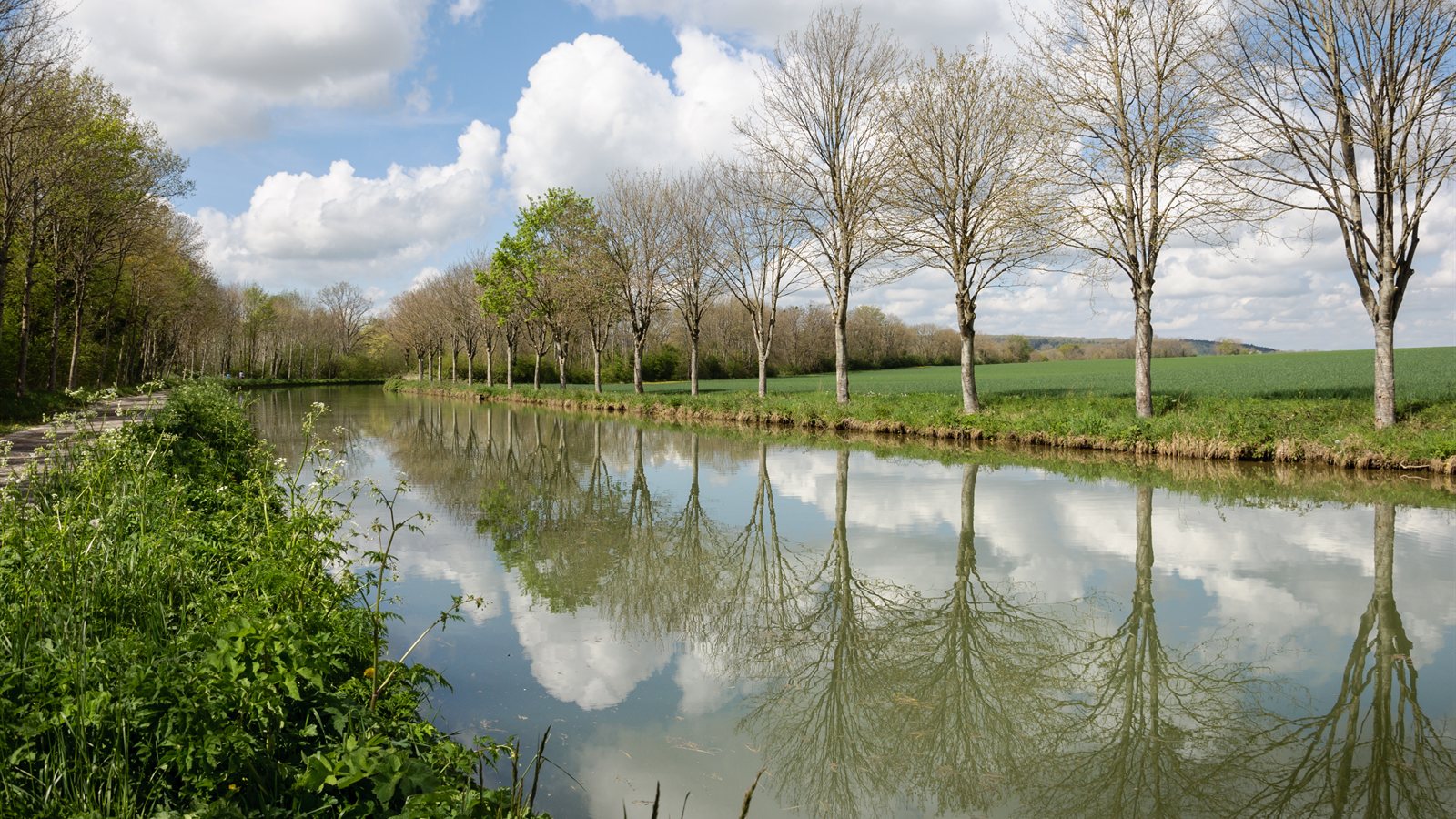
Tree-lined canal reflecting bare branches in still water
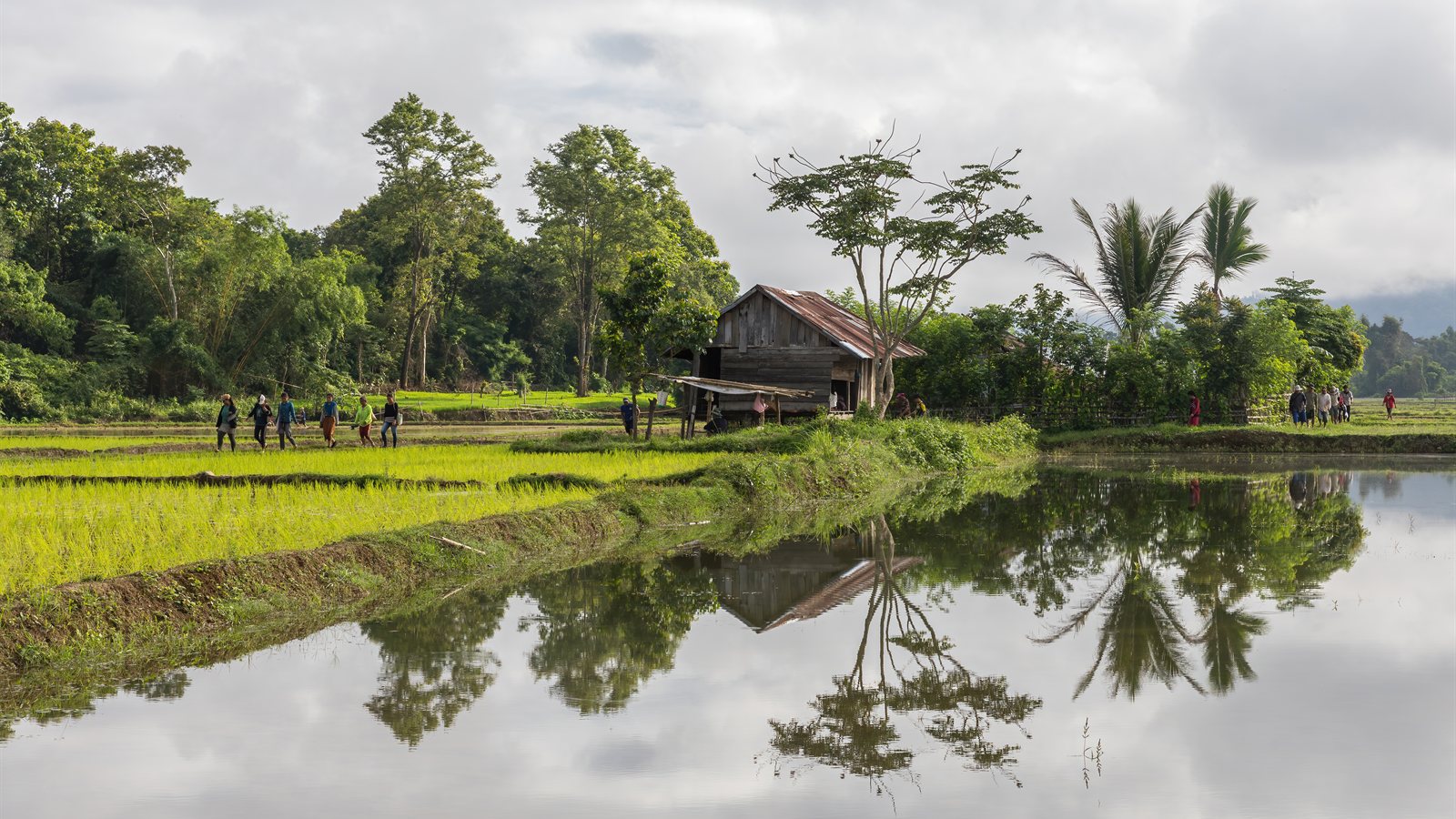
Still water reflecting a wooden hut and trees beside green fields

About us

Guides Who Prefer Water With Nothing Happening On It

The company was started by two paddlers who had spent years working on whitewater and coastal trips and noticed that most of their customers were nervous rather than thrilled. What those people actually wanted was to be outdoors, on water, moving slowly, with somebody knowledgeable nearby and a decent lunch at the end — and none of that requires rapids. The canals and abandoned river arms in this region provide exactly that, and nobody was using them.

Working out the network took two seasons of paddling every reachable kilometre: mapping the launch points, measuring the portages around locks, recording which stretches dry out in August, noting where a fallen tree blocks the channel and finding the villages that would still serve lunch at three in the afternoon. Those notes are updated every spring, and every route we sell has been paddled by our own staff within the last twelve months.

We also work to keep the waterways usable. Our teams clear fallen timber from the smaller arms with the navigation authority's permission, maintain three launch slipways, run a litter paddle every month and monitor the invasive plants that choke a canal within two seasons if nobody pulls them. Guests are welcome on all of it, and the annual report on what was cleared and planted goes out to everyone who paddled with us that year.

Advantages

Why Flat Water Beats Everything Else

Six reasons people who were sure they would hate paddling come back for a second day.

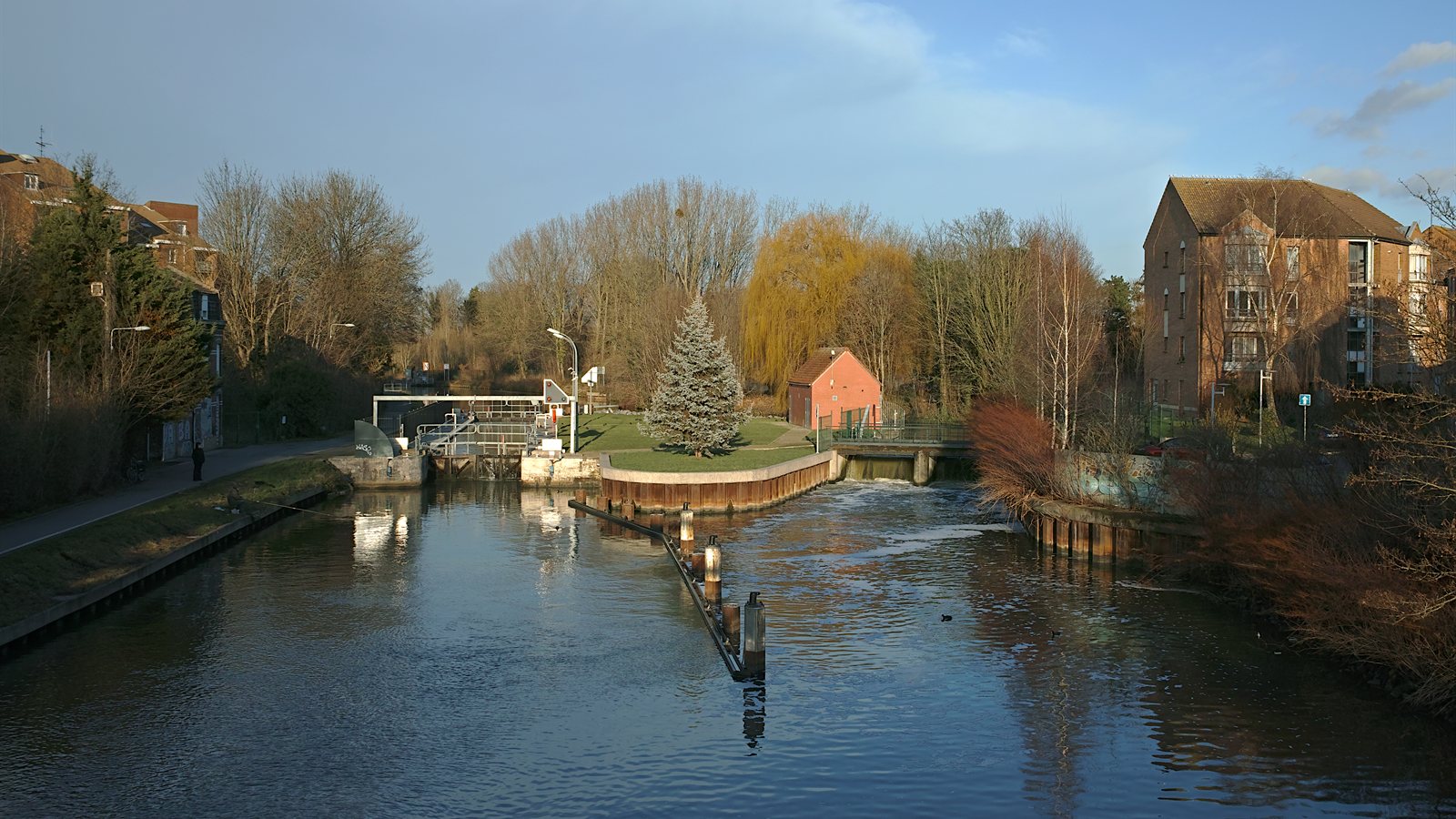
Straight canal running between wooded banks in soft light

Nothing to Fight

A canal has no current, no tide and, under a double row of plane trees, almost no wind. That means a first-time paddler makes progress immediately instead of drifting sideways, a board stays flat under the feet, and nobody has to be rescued from being blown down a lake. It also means the return leg is exactly as easy as the outward one, so a group can turn around whenever it wants rather than committing to a one-way distance decided at the start. Every session ends where somebody's car is parked.

Shade for the Whole Day

The historic canals were planted with plane trees to shade the water and reduce evaporation, and two centuries later that canopy makes summer paddling comfortable when everywhere else is unbearable. Water temperature under the trees stays several degrees lower, the glare that exhausts people on open water disappears, and a whole afternoon on the water in July becomes pleasant rather than punishing. We still hand out sunscreen and hats, and we still stop for water, but nobody comes back burnt.

Something to Look At

These waterways are working monuments: locks with hand-wound gates, stone aqueducts carrying the canal over a river, round lock-keepers' houses, disused mills and a tunnel you can paddle through with a torch. Between them the banks hold kingfishers, terrapins, herons and coypu, and the cut-off river arms fill with waterlilies by June. Guides explain how the system was built and why it stopped being used, which turns a pleasant paddle into an afternoon people describe in detail afterwards.

Lunch Is Part of the Route

Stages are planned to finish at a village with a bar or a restaurant that will still be serving when we arrive, which is not something you can assume in this region. On full-day tours the boats are pulled out at a landing five minutes from the table, and the kitchen knows we are coming. Self-guided routes come with a list of which places open on which days and which ones will make sandwiches to take away. A picnic option is available for stretches with nothing between villages.

Boats Delivered Anywhere

Our van meets you at the launch point of your choice with boards or kayaks, paddles, buoyancy aids, dry bags, a pump and a route card, and collects everything at the far end at an agreed time. That removes the single biggest obstacle to a linear paddle, which is otherwise a logistical puzzle involving two cars and a lot of driving. For multi-day trips the same van moves luggage between guesthouses, and it can collect anyone who has had enough.

Genuinely for Everyone

Because there is no current and the water is rarely more than two metres deep, we can take people whom other operators turn away: complete beginners, nervous swimmers with buoyancy aids, children from six on tandem boards, older paddlers who want a short distance and a long lunch, and groups with mixed ability who would otherwise be split up. Two of our kayaks are fitted for paddlers with limited leg mobility, and one launch point has a hoist.
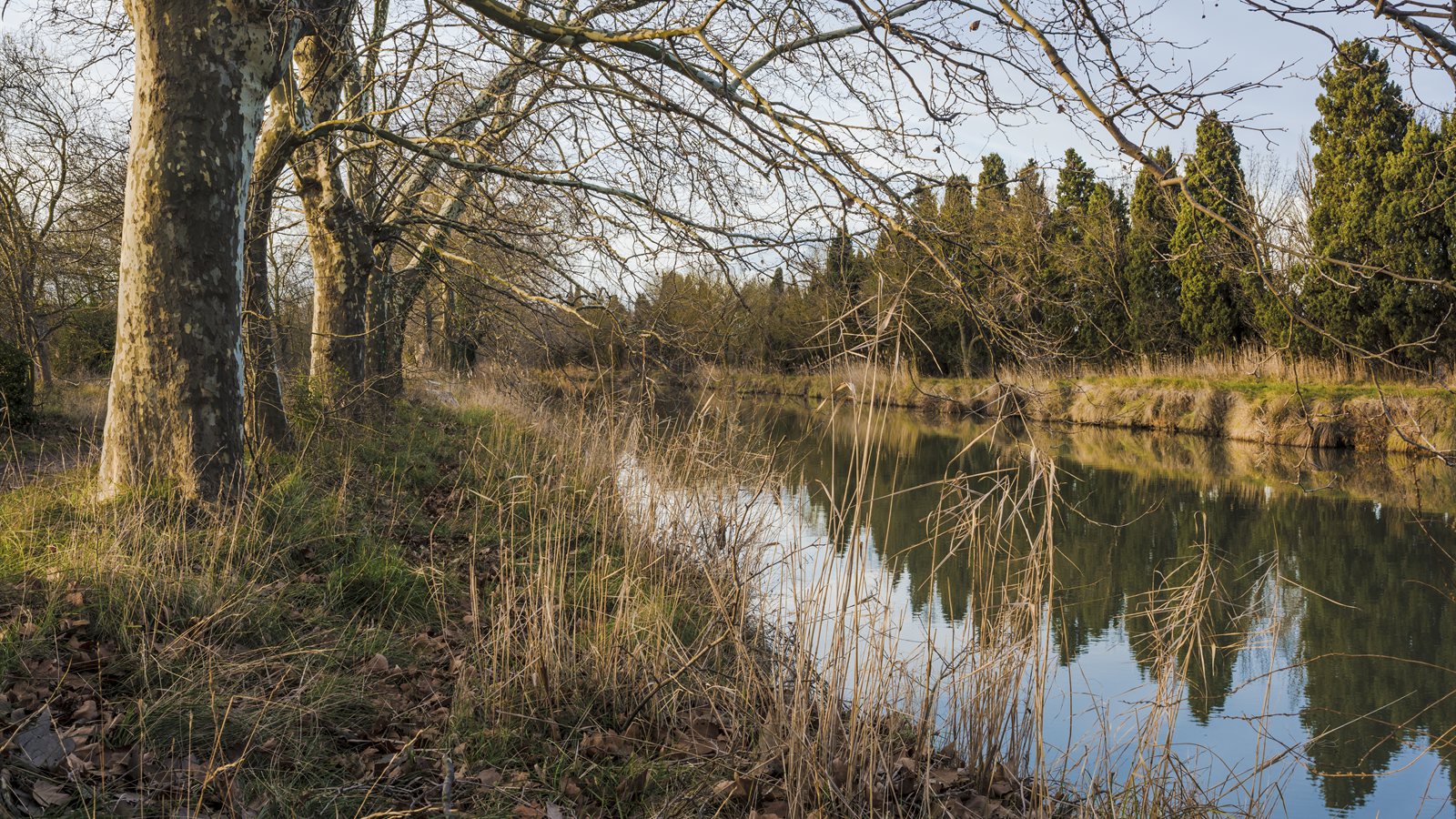
Old canal lock with stone chamber and wooden gates

Services

What We Run

Guided paddles, self-guided routes, multi-day journeys, night sessions, hire and group programmes.

Guided Half-Day Paddles

Three hours covering eight to twelve kilometres of canal or backwater with a guide, including a short lesson for anyone who has never paddled, a stop at a lock or an aqueduct and refreshments halfway. Boards, kayaks, paddles, buoyancy aids, dry bags and waterproof pouches are provided, groups stay under ten, and the route is chosen on the day for shade and water level. Departures run twice daily from April to October and at weekends through the winter.

Full Days With Lunch

Twenty to twenty-five kilometres in a day, usually one way with the van collecting at the end, broken by a proper lunch at a village restaurant and an afternoon stretch through the quietest section. Full days include two or three lock portages, which the guides handle with trolleys, and time to swim where the water is clean and deep enough. Suitable for anyone reasonably fit; no experience is needed, and the pace is set by the slowest paddler.

Self-Guided Routes

Boats delivered to your chosen launch point and collected at the far end, with a laminated route card marking distances, portages, landings, drinking water, the villages that serve food and the two stretches where the channel narrows. Routes run from ten to ninety kilometres over one to five days. A support number is answered throughout the day, and the van will collect anybody who stops early without charging extra for it.

Multi-Day Journeys

Two to five nights paddling from village to village with luggage moved each morning, accommodation booked in small guesthouses and dinner arranged where the kitchen is open. Distances are set at fifteen to twenty-two kilometres a day, leaving long afternoons. A guide can accompany the whole journey or meet the group for one section. This is the trip that regular customers repeat every year, usually adding a day and inviting somebody new.

Sunset and Lantern Paddles

Ninety-minute evening sessions leaving as the light drops, returning under lanterns fixed to the bow with the canal completely still and the bats working the surface. Nights with a full moon are booked out months ahead. In summer we add a swim stop and something cold at the halfway point; in autumn, a hot drink. Groups are capped at eight, all lighting and reflective equipment is provided, and the route stays within two kilometres of the launch.

Hire, Groups and Schools

Boards and kayaks by the hour or the day from three bases, with buoyancy aids and a briefing included. Schools, clubs, companies and hen and stag groups can book private sessions with instructors, safety cover and catering, and we run an introductory programme for local schools at cost. Season storage is available for private boats, and our workshop repairs inflatables, replaces fins and services paddles for anyone who asks.

Contacts

Bookings and Route Advice

Tell us the date, the number of paddlers, their ages and whether anybody is nervous in water. We will suggest the stretch, the distance and the time of day that will suit, and say honestly if a shorter route would be more enjoyable.

Multi-day journeys, group bookings, school programmes and boat storage are arranged through the same office.

OfficePaseo del Prado 14, 28014 Madrid, Spain
Phone+34 91 429 63 15
SeasonApril–October daily; November–March at weekends